
Economy June 30, 2026 03:07 PM

GOP Hardliners Halt House Defense Bill to Push Voter ID Measure

A procedural vote fails as Republicans pressing for the SAVE America Act split with leadership over voter ID and citizenship requirements

By Hana Yamamoto
Share
Twitter Reddit Facebook LinkedIn

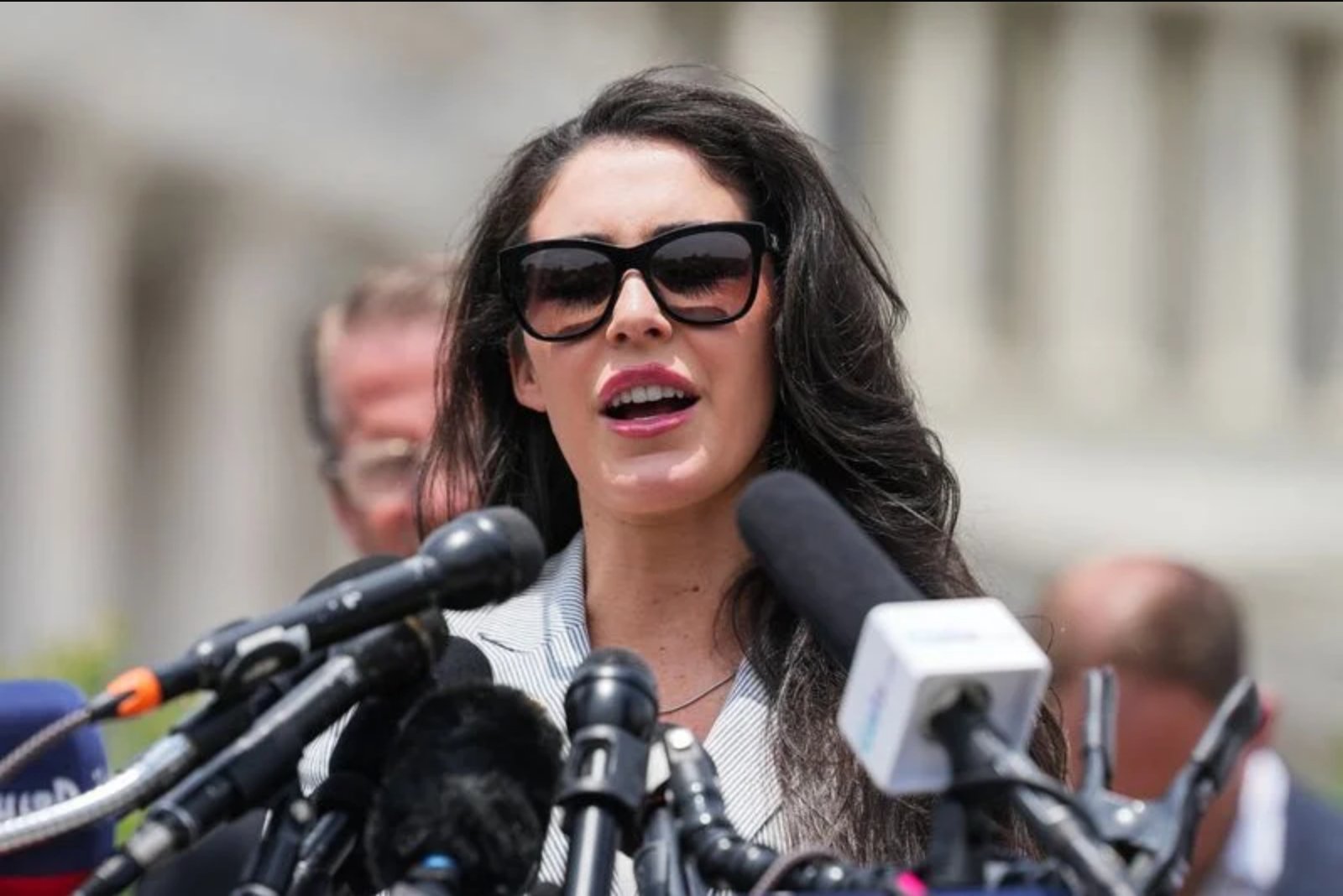
A group of hardline House Republicans blocked a procedural motion to begin debate on a major defense policy bill, insisting that the chamber advance stricter federal voter identification and citizenship requirements embodied in the SAVE America Act. The move exposed divisions within the GOP and left the defense measure stalled after a 224-198 vote.

GOP Hardliners Halt House Defense Bill to Push Voter ID Measure
Summarize with
ChatGPT Perplexity Claude Grok Gemini

Key Points

  • A procedural vote to open debate on a major House defense policy bill failed 224-198 after more than a dozen hardline Republicans, led by Rep. Anna Paulina Luna, broke with party leadership.
  • Those Republicans demanded the inclusion of the SAVE America Act's voter ID and citizenship requirements as an amendment to the defense bill.
  • Speaker Mike Johnson offered to add the SAVE America Act after the defense bill's adoption or to include portions in a budget bill; Rep. Luna rejected both alternatives, citing doubts about Senate passage.
  • The SAVE America Act would require photo ID for federal voting, proof of U.S. citizenship to register, and would require states to provide voter registration rolls to the federal government. Former President Trump has sought the bill to eliminate universal mail-in voting, which some Republicans oppose.

A procedural vote required to start debate on a prominent U.S. House defense policy bill failed on Tuesday after a faction of staunch Republican allies of former President Donald Trump withheld support, demanding action on separate voting legislation.

The motion to proceed was defeated 224-198 following a break from party leadership by more than a dozen hardline Republicans led by Representative Anna Paulina Luna. Their defection was specifically tied to leadership's refusal to attach the SAVE America Act's voter identification provisions to the defense bill as an amendment.

House Speaker Mike Johnson attempted to bridge the divide by saying he would seek to incorporate the SAVE America Act into the defense bill after the latter's passage. He also indicated Republicans planned to include parts of the voting reform measure in an upcoming budget bill. Both proposals were presented as alternatives to immediate amendment.

Representative Luna rejected those alternatives, arguing neither step would be sufficient to secure enactment in the Senate, where the voting legislation has stalled for months. Senate Republicans already acknowledge they lack the votes to pass the measure in that chamber.

The SAVE America Act itself would impose a requirement that voters present a photo ID for federal elections and would demand proof of U.S. citizenship for voter registration. The bill would also compel states to turn over their voter registration rolls to the federal government. Former President Donald Trump has said he wants the legislation to end universal mail-in voting, a provision opposed by some Republicans.

Opponents of the SAVE America Act, including Democrats, argue the measure is designed to address non-citizen voting, which they say occurs only in rare cases. Critics further contend the bill could disenfranchise eligible Americans who do not have ready access to passports or birth certificates.


Below are the principal developments from the House action:

  • The procedural vote to begin consideration of the defense policy bill failed 224-198 after a faction of House Republicans withheld support.
  • Hardline Republicans led by Representative Anna Paulina Luna conditioned their vote on inclusion of the SAVE America Act's voter ID provisions.
  • Speaker Mike Johnson proposed adding the SAVE America Act after the defense bill's adoption or folding parts of it into a budget bill; Luna rejected those paths as insufficient for Senate approval.

The episode highlighted a standoff within the majority party between leaders seeking to advance a defense policy package and members prioritizing a separate voting reform agenda. The immediate consequence was the blockage of the defense measure's procedural motion, leaving its consideration in the House unresolved.

Risks

  • Legislative impasse - Internal GOP disagreement prevented a procedural vote, leaving the defense policy bill stalled and its timing uncertain.
  • Senate viability - The SAVE America Act has languished in the Senate, and Senate Republicans acknowledge they do not have the votes to pass it, creating uncertainty about whether the House-level contest will result in enactment.
  • Voter access concerns - Critics say the SAVE America Act could disenfranchise eligible voters who lack ready access to passports or birth certificates; the legislation is also challenged on the basis that non-citizen voting is rare.

More from Economy

Justice Department orders prosecutors to prioritize birth tourism probes after Supreme Court rebuff Jun 30, 2026 Federal Court Halts Trump Administration Policy Capping Student Loan Forgiveness for Certain Employers Jun 30, 2026 US Property Claims Recede for Fifth Consecutive Quarter Amidst Shifted Storm Patterns and Rising Input Costs Jun 30, 2026 Federal Court Halts Executive Mandate on Student Loan Eligibility Criteria Jun 30, 2026 US Imposes Sanctions on Mexican Nationals and Firms Over Cartel-Linked Fuel Smuggling Jun 30, 2026