
Summary
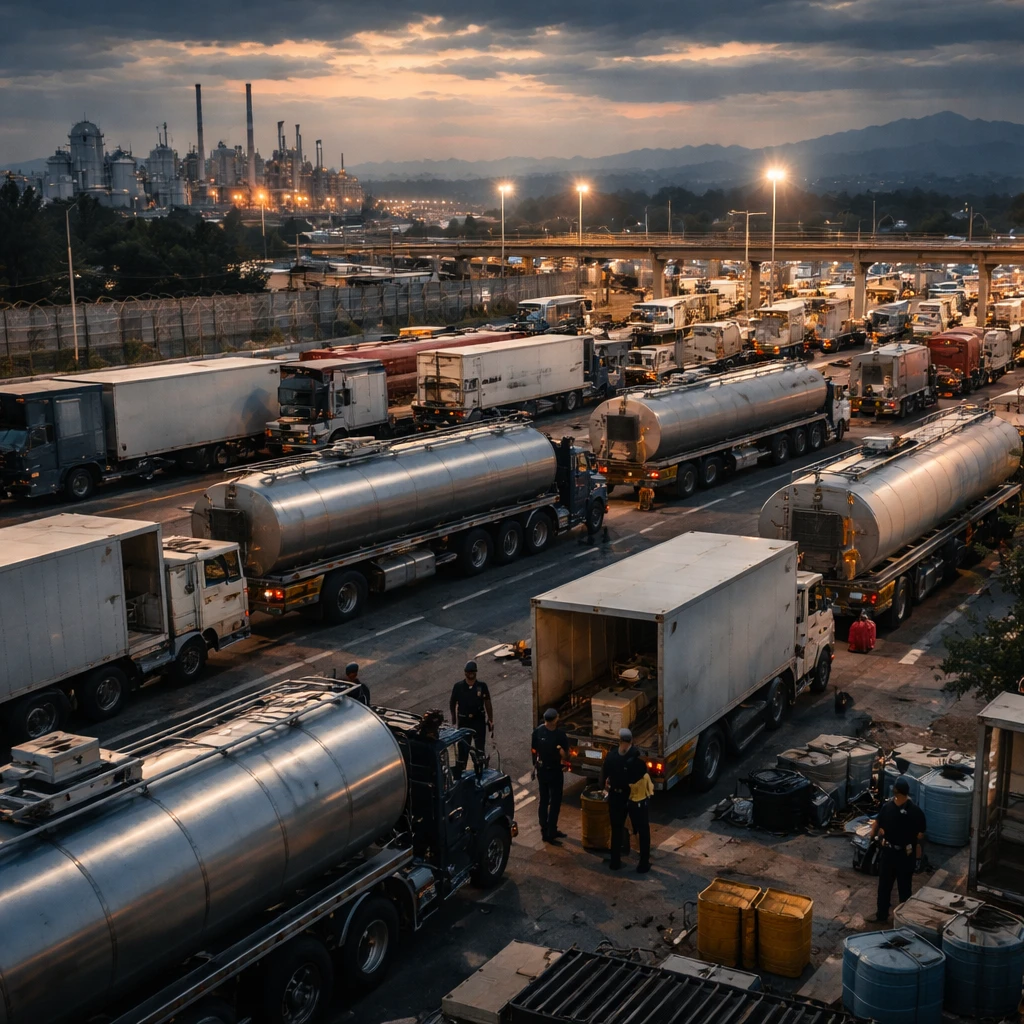
The US Treasury on Tuesday designated two Mexican nationals and nine companies for their alleged roles in a fuel-smuggling network associated with the Cartel del Jalisco Nueva Generacif3n (CJNG). The sanctions focus on businesses in transportation, financial services and real estate that US officials say were used to move funds and to facilitate the illegal import and export of gasoline and diesel across the US-Mexico border.
Details of the listings
The Treasury identified the two men as Oscar Guillermo Juraidini Silva and J. Refugio Ruiz Villagomez. Officials allege both men operate firms across several sectors that, in the governmentf9s account, coordinated with cartel-linked intermediaries to transfer tens of millions of dollars through the US banking system. The action targeted nine corporate entities tied to those operations.
Allegations against the individuals
According to the Treasury, Juraidini is accused of employing shell companies on behalf of CJNG and mislabeling fuel imports to evade Mexican import taxes. Ruiz is alleged to own companies that paid criminal groups controlling ports of entry between the US and Mexico to enable illegal fuel imports. The Treasury said these arrangements were part of a larger, cross-border illicit fuel trade.
Scale and impact of the trade
US and Mexican authorities estimate the illegal cross-border fuel trade deprives both governments of tens of billions of dollars in lost tax revenue each year. Last year, illegal fuel smuggling cost the Mexican government more than $11 billion in lost tax revenue, the Treasury noted. The operations have expanded to become the cartelsf9 largest revenue source after drugs.
Context on Mexicof9s fuel market
Mexico produces more crude than many OPEC members, yet its aging refineries do not satisfy domestic demand for diesel and gasoline. As a result, the country imports more than 60% of the fuel it consumes domestically, primarily from the US. Industry estimates cited by trade groups suggest roughly one in three liters sold in Mexico is illegally sourced.
Cooperation and enforcement
Mexican President Claudia Sheinbaum has in recent months expanded cooperation with US agencies to tackle the problem, the Treasury said. The sanctions are part of an effort to disrupt the financial and logistical networks that enable the trade.
Key points
- US Treasury sanctioned two Mexican citizens and nine companies on Tuesday for alleged roles in CJNG-linked fuel smuggling.
- Authorities say the suspects moved tens of millions of dollars through the US financial system and used shell companies and mislabeling to evade taxes.
- The illicit fuel trade costs both countries tens of billions in lost tax revenue annually and has become a top income source for cartels after drugs.
Risks and uncertainties
- Enforcement actions may have uncertain effects on the illicit fuel supply chain and on revenues for legitimate fuel distributors and service stations.
- Disruption of networks could affect cross-border logistics and firms involved in transportation and financial services linked to the designated entities.
- Mexicof9s continued dependence on imports and refinery capacity shortfalls leave the domestic market exposed to illegal sourcing vulnerabilities.