
Economy June 30, 2026 04:45 PM

Federal Court Halts Trump Administration Policy Capping Student Loan Forgiveness for Certain Employers

Judge Myong Joun's ruling blocks Education Department rule that would have redefined 'public service' to exclude organizations with illegal activities, a decision that impacts the public sector labor market and federal education policy.

By Ajmal Hussain
Share
Twitter Reddit Facebook LinkedIn

A U.S. federal judge has issued an injunction preventing the Trump administration from enforcing a new Department of Education rule that would have removed public service workers from eligibility for federal student loan forgiveness. The ruling sides with a coalition of Democratic-led states, municipalities, and nonprofits, who successfully argued that the policy was designed to target specific causes and groups. The Public Service Loan Forgiveness (PSLF) program, which forgives federal student loans for borrowers who work for government or nonprofit employers for ten years, has provided debt relief to over one million individuals since its 2007 inception. The blocked rule sought to redefine 'public service' work by excluding organizations engaged in activities deemed to have a 'substantial illegal purpose,' a definition the administration used to target entities supporting immigration rights and transgender healthcare.

Federal Court Halts Trump Administration Policy Capping Student Loan Forgiveness for Certain Employers
Summarize with
ChatGPT Perplexity Claude Grok Gemini

Key Points

  • Legal Challenge Outcome: A federal judge blocked a Trump administration rule that sought to redefine "public service" work to exclude organizations with a "substantial illegal purpose," protecting over one million borrowers in the PSLF program.
  • Policy Redefinition: The blocked rule aimed to strip loan forgiveness eligibility from workers at organizations engaged in activities such as aiding illegal immigration or supporting transgender healthcare, citing national security and American values as justification.
  • Broader Regulatory Pushback: This ruling represents the second legal defeat for the administration's student loan restructuring efforts in a week, following a separate court decision halting proposed limits on graduate student loan caps for healthcare fields.

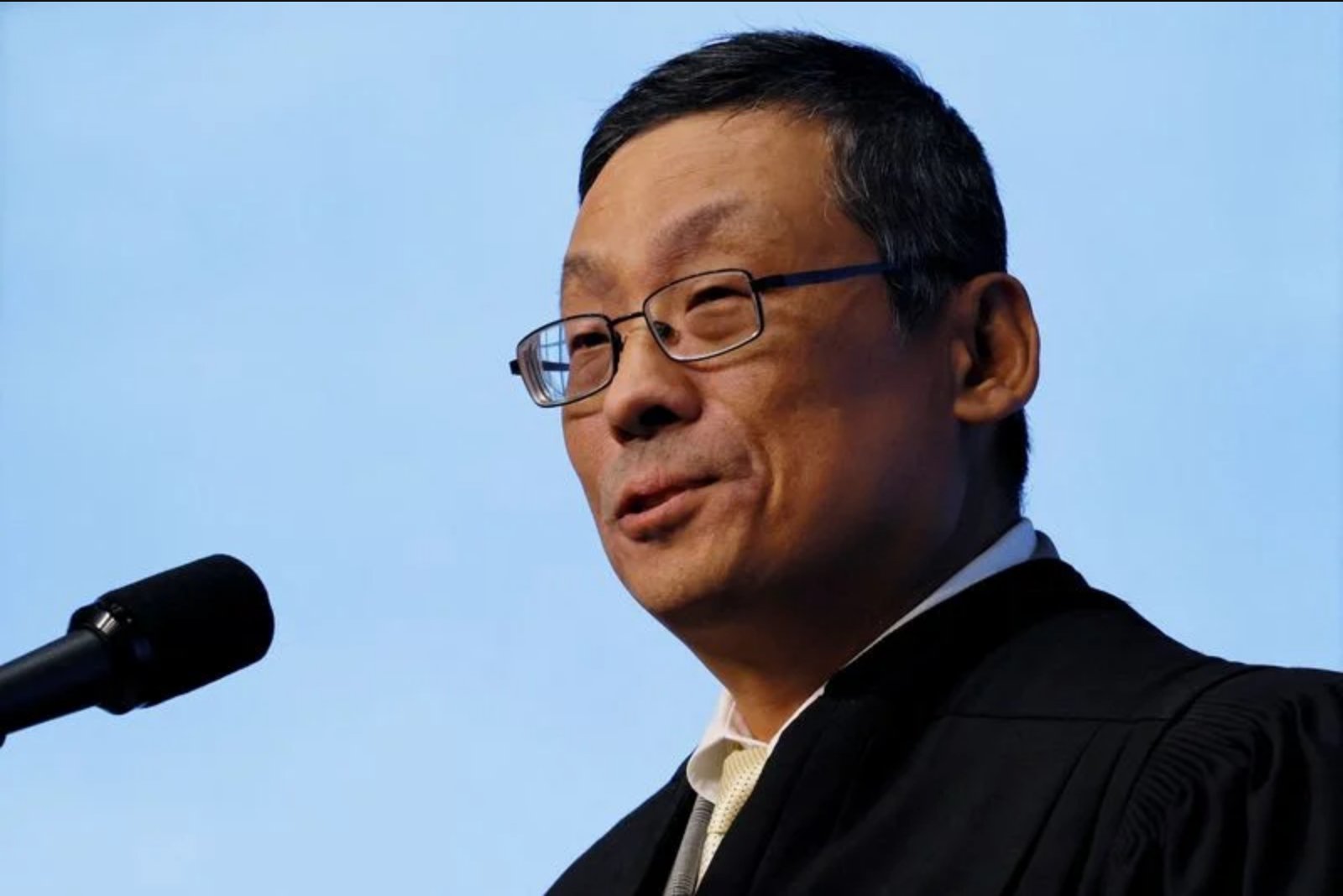
A U.S. District Court has intervened to halt a significant shift in federal student loan policy, blocking the Trump administration from implementing a rule that would have stripped public service workers of their eligibility for loan forgiveness. U.S. District Judge Myong Joun, presiding in Boston, ruled in favor of a coalition of Democratic-led states, cities, and nonprofit organizations. The plaintiffs successfully argued that the new regulation was crafted to target groups advocating for immigration rights, transgender healthcare, and other causes disfavored by the current administration.

The Public Service Loan Forgiveness (PSLF) program, established by Congress in 2007, offers a critical financial mechanism for borrowers working in government or nonprofit sectors. After ten years of qualifying employment, participants are eligible to have the remainder of their federal student loans forgiven. According to government data, more than one million borrowers have already benefited from this debt relief initiative.

The legal conflict originated from an executive order signed by President Donald Trump in March 2025. The order characterized the existing program as a mechanism that "misdirected tax dollars into activist organizations that not only fail to serve the public interest, but actually harm our national security and American values." In response to this directive, the Department of Education was ordered to revise the regulations governing the program. The agency's goal was to redefine what constitutes "public service" work, specifically aiming to exclude organizations that engage in activities possessing a "substantial illegal purpose." This revision culminated in a final rule published by the Education Department in October.

The newly finalized rule defined "substantial illegal purpose" in broad terms. The regulation stipulated that this category encompassed a range of activities, including aiding illegal immigration, supporting terrorism, engaging in illegal discrimination, and participating in the "chemical and surgical castration or mutilation of children." These definitions were intended to serve as the basis for disqualifying certain employers from the PSLF program.

Legal challenges against the rule were filed in November. The plaintiffs sought a judicial block to prevent the policy from taking effect on July 1. Their lawsuit contended that the rule was clearly designed to penalize causes the administration opposes, specifically highlighting groups that support immigrants' rights, transgender healthcare, diversity initiatives, and political protest. The legal arguments further asserted that the law establishing the forgiveness program did not grant the Education Department the discretionary authority to create new exceptions to eligibility. Additionally, the plaintiffs argued that the agency lacked a rational basis for adopting such a restrictive policy.

This latest judicial decision marks a second legal setback for the Trump administration's broader efforts to reshape the federal student loan system within a single week. Earlier in the week, a federal judge in Washington, D.C., issued a similar injunction. That ruling barred the Education Department from implementing a separate rule that would have imposed lower federal student loan limits for individuals pursuing graduate degrees in nursing and other healthcare-related fields.

Risks

  • Regulatory Reversal Risk: The legal battles indicate significant uncertainty in the federal education policy landscape, potentially impacting the stability of long-term debt relief programs for public sector employees.
  • Targeted Sector Vulnerability: Nonprofit organizations and public sector employers facing disqualification could see shifts in workforce retention and recruitment, particularly among employees relying on PSLF for financial planning.
  • Policy Implementation Delays: Ongoing litigation creates a period of regulatory limbo, delaying the administration's ability to enforce stricter eligibility criteria and potentially complicating future program adjustments.

More from Economy

Markets Close June with Strong Quarter Despite Monthly Losses Jun 30, 2026 Justice Department orders prosecutors to prioritize birth tourism probes after Supreme Court rebuff Jun 30, 2026 US Property Claims Recede for Fifth Consecutive Quarter Amidst Shifted Storm Patterns and Rising Input Costs Jun 30, 2026 Federal Court Halts Executive Mandate on Student Loan Eligibility Criteria Jun 30, 2026 US Imposes Sanctions on Mexican Nationals and Firms Over Cartel-Linked Fuel Smuggling Jun 30, 2026