
Economy July 15, 2026 01:30 AM

ECB's Kocher: No Evidence Yet of Second-Round Inflation from Iran War, But Vigilance Remains

Austrian central bank governor says euro area holding up but monetary policy stands ready to respond to changing conflict-driven price pressures

By Maya Rios
Share
Twitter Reddit Facebook LinkedIn

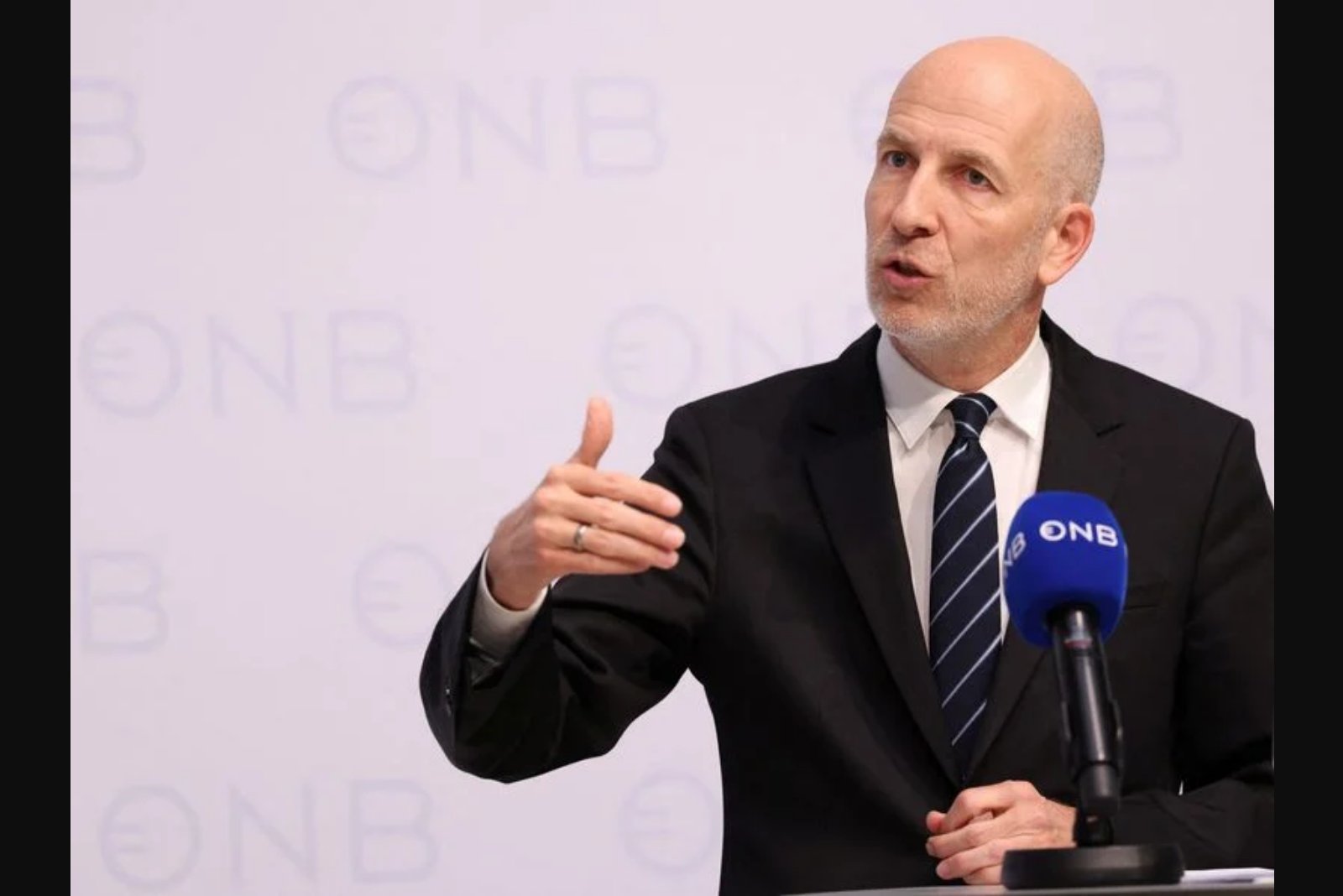
European Central Bank policymaker Martin Kocher said the bank has not observed second-round inflation effects from the U.S.-Israeli war on Iran so far, but is monitoring indirect price pressures from the conflict and is prepared to act if necessary. He warned that the intensity and duration of the war create substantial uncertainty and noted that medium- and long-term inflation expectations remain well anchored.

ECB's Kocher: No Evidence Yet of Second-Round Inflation from Iran War, But Vigilance Remains
Summarize with
ChatGPT Perplexity Claude Grok Gemini

Key Points

  • ECB policymaker Martin Kocher says the bank currently sees no second-round inflation effects from the U.S.-Israeli war on Iran but is monitoring indirect price pressures closely.
  • Kocher emphasized the high uncertainty caused by changing conflict intensity and said the ECB is ready to deploy monetary policy measures at any time if needed - this has implications for markets and interest-rate sensitive sectors.
  • Medium- and long-term inflation expectations remain well anchored, which Kocher cited as evidence of confidence in monetary policy determination.

European Central Bank policymaker Martin Kocher said the institution has not yet detected second-round inflationary effects stemming from the U.S.-Israeli war on Iran, while underscoring continued vigilance toward indirect price pressures linked to the conflict.

In comments published on Wednesday, Kocher - who also serves as governor of Austria's central bank - stressed the bank's focus on how the war in the Middle East might filter into broader price dynamics. "At the moment we are paying particular attention to the indirect price effects of the war in the Middle East and possible second-round effects. We currently see no second-round effects, but must also align our monetary policy with inflation expectations," he told the German financial newspaper Börsen-Zeitung.

Kocher described the situation as one of heightened uncertainty because the intensity of the conflict is shifting over time. He warned that the outlook could become more challenging if the Iran war persists. "Therefore we are ready at any time to deploy monetary policy measures, should that be necessary," he said.

On the economic resilience of the euro area, Kocher said the bloc is navigating the current phase with relative robustness, while cautioning that a prolonged conflict would increase difficulty for policymakers and markets. He also pointed to medium- and long-term inflation expectations as a stabilizing signal, saying they remain well anchored and reflect confidence in the determination of monetary policy.

The remarks combine a current assessment - no observed second-round effects to date - with an explicit readiness to respond if indirect price developments or inflation expectations change. Kocher tied that preparedness to the uncertain trajectory of the conflict and to the potential for longer-term pressure on price dynamics if hostilities continue.


Context and implications

Kocher's comments reflect the ECB's monitoring of conflict-driven price channels while signaling that, for now, the bank does not see a feedback loop from higher prices to broader inflation expectations. The statement balances reassurance about current inflation dynamics with a clear warning that the central bank remains prepared to adjust policy if conditions warrant.

Risks

  • Rising indirect price effects from the conflict - energy and commodity-sensitive sectors such as oil & gas and power could face higher input costs if the war influences supply or risk premia.
  • Prolonged conflict duration - a longer Iran war would increase difficulty for the euro area economy and could pressure financial markets and interest-rate expectations.
  • Shifting conflict intensity creates uncertainty for policy planning - central bank readiness to act indicates potential volatility for bond markets and borrowing costs if measures are deployed.

More from Economy

ASML Faces High Bar After AI-Driven Market Shakeup Jul 15, 2026 International Capital Flows Accelerate Into U.S. Securities in May Jul 14, 2026 Argentina's Inflation Momentum Slows as June CPI Rises 1.9% Jul 14, 2026 Treasury Yields Slide After June CPI Cools More Than Forecast Jul 14, 2026 U.S. Advances Discussions on Iraq-Syria Oil Link to Circumvent Strait of Hormuz Jul 14, 2026