
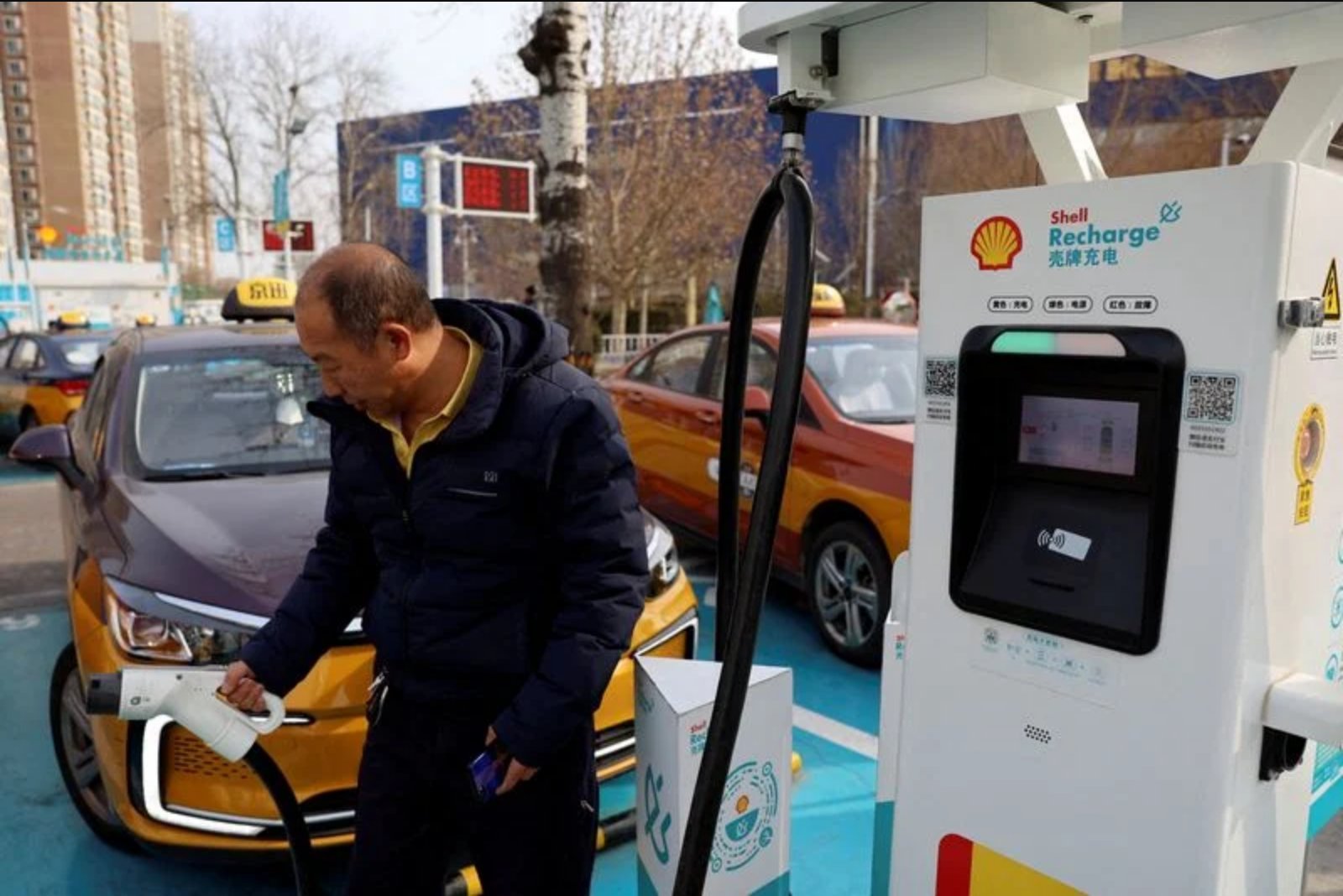
China's transport sector is showing a notable shift away from oil dependence as electric taxis and a surge in ridesharing combine to absorb the impact of higher fuel prices linked to the Iran conflict. Passenger trips are rising even as gasoline costs climb, driven by cheaper taxi fares and a rapid expansion of non-fossil fuel vehicles in urban fleets.
Government data show that in May people in China took 3.05 billion trips. That figure reflects a 6% increase in trips since the Iran war began at the end of February, compared with the March-to-May period a year earlier. The rise in passenger volume comes despite higher pump prices, illustrating an unusual dynamic in China’s mobility market: more travel at lower fares.
Analysts attribute the fall in fares to two linked forces. First, many new drivers have entered the market amid a sluggish broader economy, increasing competition for passengers. Second, the availability of inexpensive electric cars has lowered operators' costs, allowing them to undercut petrol-based services. The result has been cheaper rides that attract commuters seeking to avoid high petrol bills.
At an electric vehicle charging station in Beijing, a part-time ride-hailing driver surnamed Li said fares have dropped since he began six months ago. "Competition is intense," the 36-year-old said, adding that fares have fallen 10% to 15% over that period. Social media posts have echoed that experience, with hundreds of users noting that cab or rideshare trips can now be cheaper than driving their own petrol cars as gasoline prices rose in March.
"Especially when gas prices are high, I’d rather take a taxi to places that are too far to bike to. That way, I don’t have to look for parking or pay for gasoline," said Yang, a 45-year-old owner of a petrol car who only gave her surname. Their comments illustrate how rising fuel costs, combined with lower fares, are nudging private drivers toward taxis and ride-hailing services.
The scale of electrification in passenger transport is already substantial. The Ministry of Transport reports that about half of China’s 1.3 million-strong taxi fleet is electric, and in major cities the share is closer to 100%. Didi, the main ridesharing app, said it registered another 2 million hybrid or electric cars last year, bringing its total non-fossil fuel fleet to 8 million cars. Didi also reported that electric vehicles account for 75% of all mileage on its platform.
Those shifts are having measurable effects on fuel consumption. In May, China burned 10% less gasoline and 14% less diesel than a year earlier, despite a 2% rise in road freight and record levels of road travel during the May Day long weekend. Forecasts from Greenpeace cited in industry commentary project that 90% of taxi and ridesharing mileage will be electric by 2035.
Observers say the modal shift toward electric taxis and public transport has helped China reduce oil import dependence without having to draw significantly on strategic reserves. China’s oil imports fell 41% in June versus a year earlier, a contraction achieved while global market flows remain constrained by the conflict. Analysts suggest that by cutting import demand, China has indirectly lessened upward pressure on global oil prices.
"As fuel prices have gone up, people are driving their own petrol cars less," said Daizong Liu, East Asia director at the Institute for Transportation & Development Policy in China. "But overall travel demand is still increasing, so more trips are shifting to public transport, such as taxis and the subway." His observation links rising ridership to broader passenger demand that is being absorbed by electrified urban transport modes.
Market watchers note that the durability of this oil-buffering effect will be tested if transport fuel prices return to pre-war levels. J.P. Morgan analyst Natasha Kaneva wrote in a note on July 2 that the conflict may have accelerated behavioral changes that were already under way, leaving China structurally less dependent on oil than the market historically assumed. J.P. Morgan also projects gasoline demand to continue falling into 2027, but at a slower rate than this year, forecasting a year-on-year drop of 50,000 barrels per day in 2027 versus this year’s decline of 150,000 barrels per day.
Individual motorists are adjusting their own fuel usage in response to price swings. Zhang, 45, an electric car and hybrid owner who only gave her surname, said she usually drives her hybrid in battery mode when fuel prices are high. "When I saw prices had fallen recently, I went to fill up the tank for my hybrid," she said, reflecting how consumers switch operating modes based on fuel costs.
China’s rise in electric taxi use and the ridesharing boom together portray a transport market adapting to higher fuel costs by shifting demand toward electrified services. The interplay of increased supply of drivers, affordable EVs, and strong passenger demand has reduced gasoline and diesel consumption, while also contributing to a large year-on-year drop in oil imports in June. Whether these trends will hold if fuel prices revert remains an open question, but current data show a clear short-term insulation of China’s transport sector from global oil shocks.