
Consumer prices in Chile rose 0.2% in May compared with April, the national statistics agency INE reported on Monday. The monthly advance was smaller than the 0.4% increase forecast in a poll of economists, and represented a marked slowdown from the 1.3% jump recorded in April.
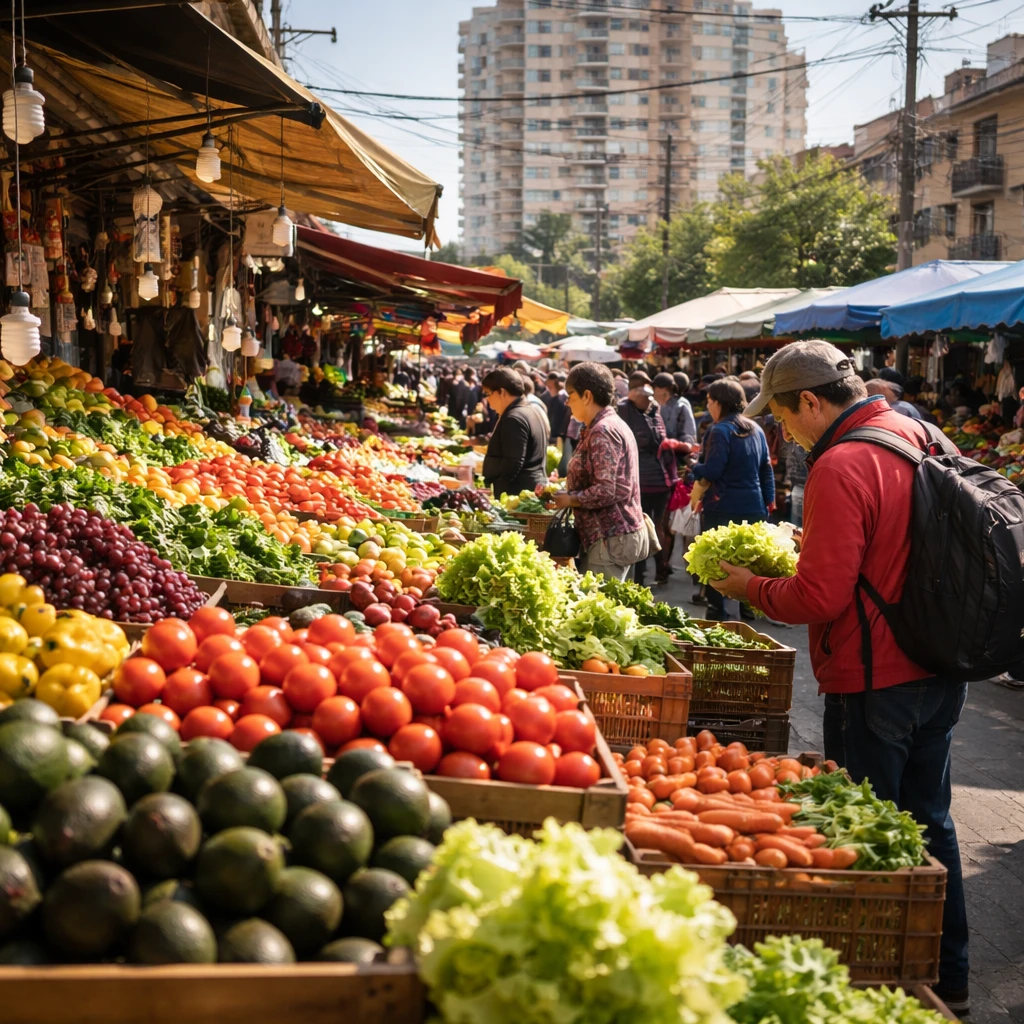
INE's breakdown showed that nine of the 13 sectors it tracks experienced price declines in May. The largest downward contribution came from the food and non-alcoholic beverages category, which fell by 0.8% for the month.
At the same time, INE highlighted that prices in the housing and basic services grouping increased in May. Transportation costs also recorded an uptick, according to the statistics agency's statement.
On an annual basis, inflation in Chile measured 3.9% in May, down marginally from 4.0% in April. That year-on-year rate remains at the upper edge of the central bank's stated target range of 2% to 4%.
Chile, the world's largest copper producer, thus entered May with headline inflation that had eased slightly from the prior month but continued to sit near the top of the central bank's desired band.
Context and implications
The May reading reflects a mix of declines across a majority of monitored sectors and selective increases in housing-related costs and transportation. The contrasting movements across categories produced a modest net rise in the consumer price index for the month, while the annual rate edged lower but remained elevated within the central bank's target range.
Because the data combine both falling and rising components across different parts of the basket, the overall picture for price momentum is uneven: several categories eased while others continued to place upward pressure on the headline figure.
Bottom line
INE's May inflation report showed a smaller-than-expected monthly increase, broad declines across most sectors, a notable drop in food and non-alcoholic beverage prices, and persistent upward pressure from housing, basic services and transportation. Annual inflation declined slightly to 3.9% but remained at the upper boundary of the central bank's 2% to 4% target.