
European natural gas prices opened higher on Monday but trimmed some of their earlier gains after reports indicated Iran and Israel had stopped attacking one another.
By 09:47 ET (13:47 GMT), the front-month contract at the Dutch TTF hub had climbed 2.1% to 49.49 euros per megawatt hour. British natural gas futures increased 2.3% to 119.70 pence per therm.
State-run Fars news agency said Iran's armed forces announced the end of military operations against Israel. U.S. President Donald Trump had urged both countries to suspend renewed strikes after clashes over the weekend extended into Monday and dimmed near-term hopes for a diplomatic agreement between Washington and Tehran.
"Israel and Iran must immediately stop ’shooting,’"
Trump added that Israel and Iran were "looking to do an immediate" ceasefire and that final negotiations on "Peace" were proceeding, "subject to ignorance or stupidity getting in its way." The strikes were the first direct attacks between Iran and Israel since a fragile U.S.-brokered truce took effect in April.
Market attention remains on whether a U.S.-Iran deal can be concluded to end the more than three-month-old war and reopen the Strait of Hormuz - a crucial shipping lane for energy flows. The Strait currently carries roughly a fifth of the world’s oil and liquefied natural gas, and uncertainty around the prospect of an agreement has factored into market volatility.
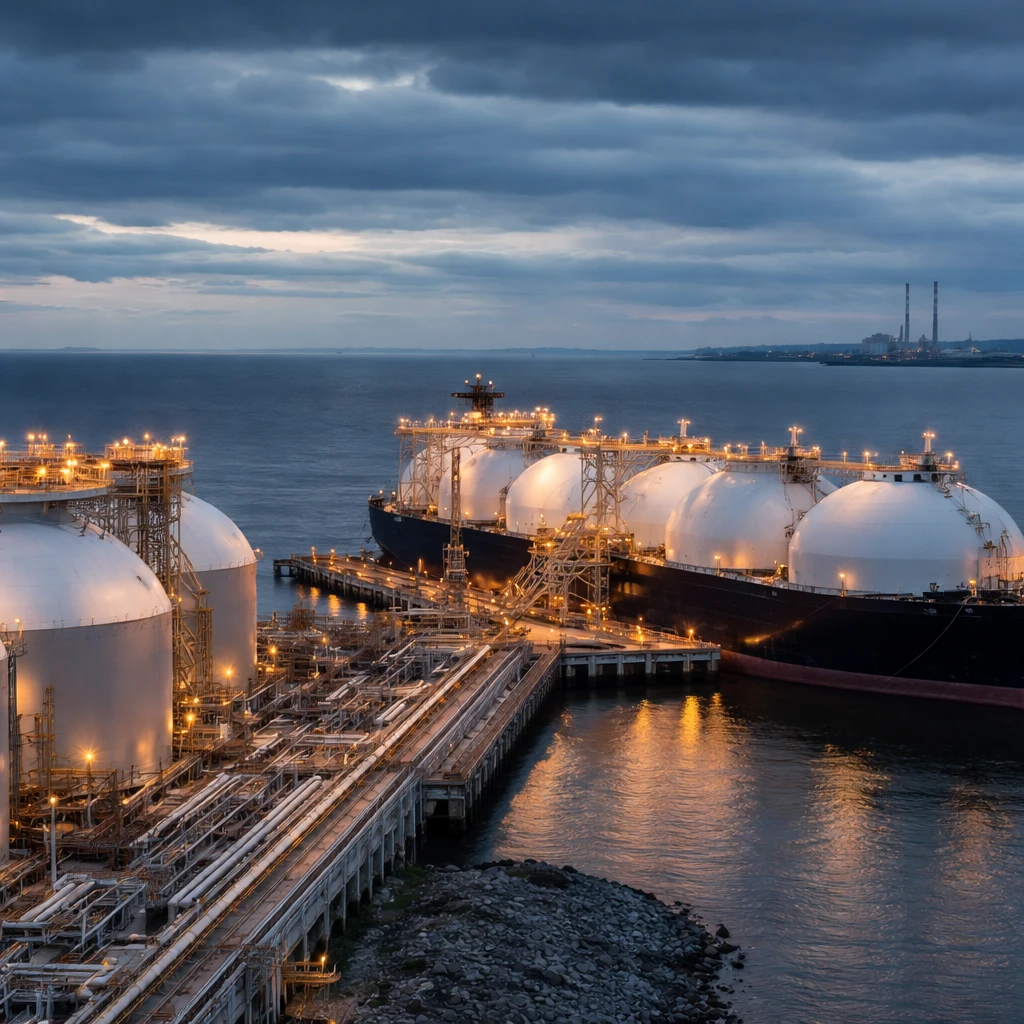
On the supply side, total northwest Europe liquefied natural gas send-out was expected at 2,164 gigawatt hours per day, about 300 GWh/d higher than Friday’s level, Reuters reported. That increase reflected a French terminal returning from maintenance and higher send-out from a facility in the Netherlands over the weekend.
Separately, total Norwegian export nominations were reported at 322 million cubic meters per day, up 10 million cubic meters per day from the previous day, Reuters said. Those higher nominations and the bump in LNG send-out offered market participants additional supply to weigh against geopolitical risks.
Despite the intraday price gains, the market remained sensitive to developments on both the security and supply fronts. Traders and analysts are watching diplomatic signals and physical flows closely as they assess near-term balances for European gas markets.