
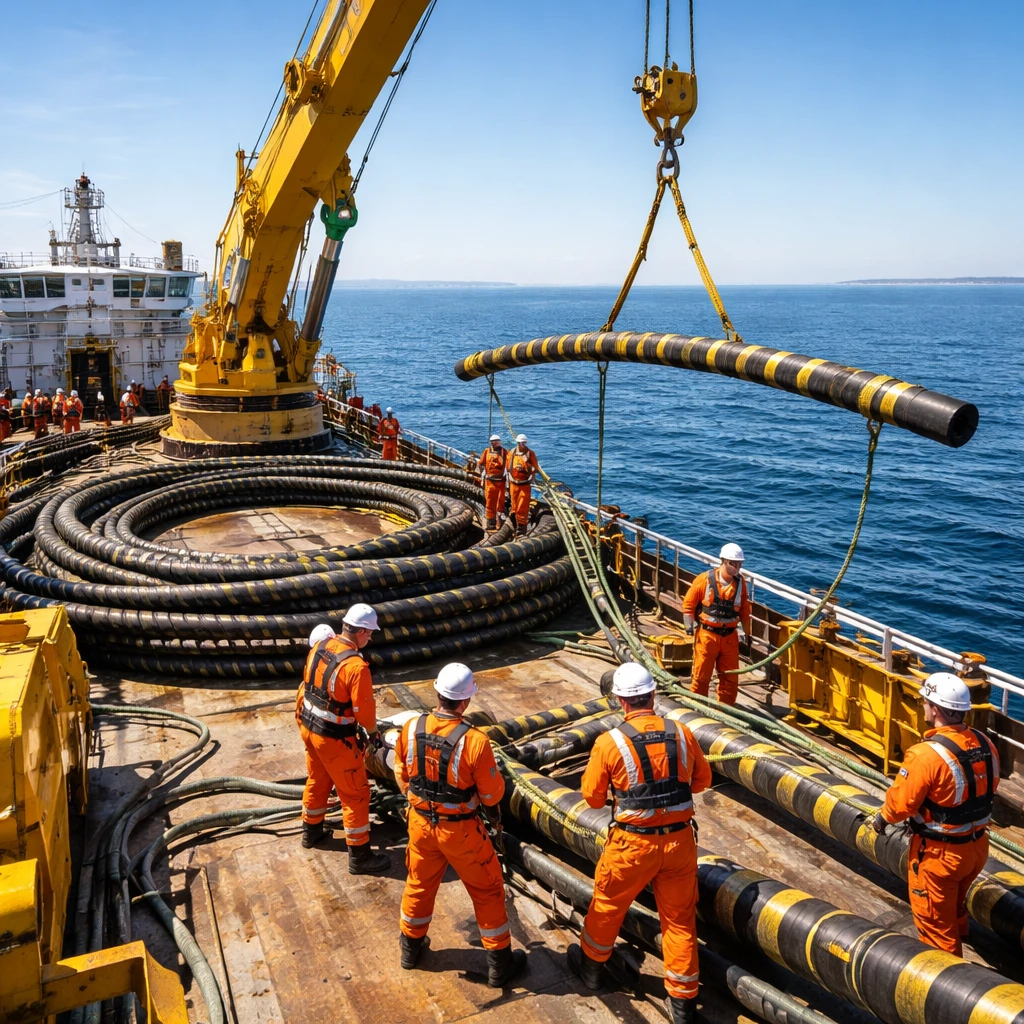
Norwegian grid operator Statnett confirmed on Monday that the Skagerrak 2 power cable connecting Norway and Denmark will remain out of service for approximately three months while repair work is completed. The outage began on June 2 and has removed 245 megawatts of transmission capacity from the Skagerrak interconnection.
Statnett's inspection located the fault roughly 30 kilometres off the Danish coastline. The operator reported that recent surveys of the seabed did not reveal evidence of anchors or other external activity that could have produced the damage.
According to Statnett, the likely cause appears to be wear and tear or previously minor damage that progressed over time. The Skagerrak 2 cable has been in operation since the 1970s, which the operator cited when describing the nature of the fault and the need for an extended repair window.
Repair work is expected to be finalised by September 2, the grid operator said in a transparency message posted via the power exchange Nord Pool. The Skagerrak interconnection comprises four separate cables with a combined rated capacity of 1,632 megawatts. Statnett jointly owns the connection with Danish grid operator Energinet.
The announcement arrives against a backdrop of recurring infrastructure disruptions across the Nordic and Baltic region. Statnett noted that in recent years the area has experienced a series of cable and pipeline outages, with incidents attributed variously to sabotage and to accidents. The operator did not attribute the current Skagerrak 2 failure to any external event beyond the inspection findings that showed no recent seabed activity near the fault site.
For market participants and sector observers, the temporary loss of 245 megawatts from a four-cable interconnector is a material operational development for the owners and for regional power flows. Statnett's disclosure of the expected repair completion date and the nature of the damage provides a timetable for when the full Skagerrak capacity might be restored.
Statnett and Energinet will oversee the repair and return-to-service process. The operators' public messaging has focused on the technical cause identified in surveys and on the projected timeline, without signalling additional operational changes beyond the planned repair work and the current capacity reduction.