
Stock Markets June 8, 2026 09:54 AM

Optimi Health Shares Jump After Company Secures Natural Ibogaine Supply

Vancouver drugmaker lines up raw material and begins development work for encapsulated ibogaine doses amid shifting U.S. policy on psychedelics

By Hana Yamamoto
Share
Twitter Reddit Facebook LinkedIn
OPTH OPTI

Optimi Health Corp. shares rose sharply after the company said it had obtained naturally derived ibogaine in both hydrochloride and freebase forms from two sources and will begin development this summer at its GMP facility in British Columbia. The program targets encapsulated 50 mg and 100 mg dosage strengths and follows recent U.S. federal action prioritizing psychedelic therapies for accelerated review.

Optimi Health Shares Jump After Company Secures Natural Ibogaine Supply
OPTH OPTI
Summarize with
ChatGPT Perplexity Claude Grok Gemini

Key Points

  • Optimi secured naturally derived ibogaine in both hydrochloride and freebase forms from two sources and announced a development program at its British Columbia GMP facility.
  • The company intends to produce encapsulated 50 mg and 100 mg dosage strengths with SOPs for encapsulation, dosage control, bottling, labeling, and packaging.
  • The project announcement aligns with a U.S. Executive Order prioritizing ibogaine among psychedelic therapies for accelerated FDA review and directing federal matching of state psychedelic research funding.

Shares of Optimi Health Corp. (NASDAQ:OPTH) climbed 16.6% on Monday after the Vancouver-based pharmaceutical manufacturer announced it had secured naturally derived ibogaine supply intended for pharmaceutical development.

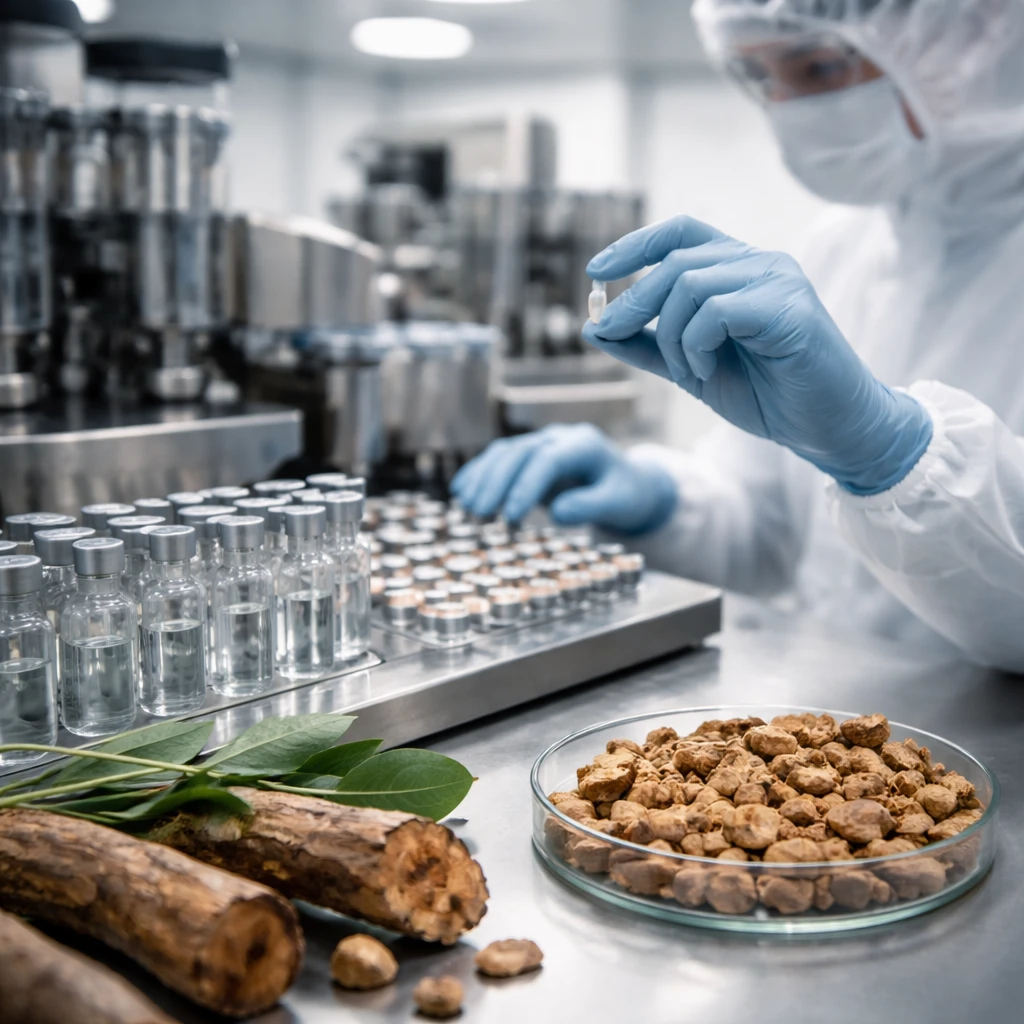
The company said the ibogaine was obtained from two separate sources and is available in both hydrochloride and freebase formulations. Optimi plans to begin development work on the finished drug product this summer at its Good Manufacturing Practice (GMP) facility in British Columbia, Canada.

Optimi outlined plans to produce two encapsulated dosage sizes - 50 mg and 100 mg. The development program will include the establishment of standard operating procedures for finished drug encapsulation, defined dosage strengths, bottling, labeling, and packaging.

The announcement comes after an April 18 U.S. Executive Order that identified ibogaine compounds among psychedelic therapies to be prioritized for accelerated Food and Drug Administration review and for expanded patient access. The executive action also directed federal funding to match state investments in psychedelic research.

"We are seeing a growing number of research institutions interested in ibogaine, and there is real public funding behind it now, including the $50 million program in Texas," said Dane Stevens, Chief Executive Officer and Co-Founder of Optimi.

The regulatory environment for ibogaine differs between Canada and the United States. In Canada, ibogaine is not classified as a controlled substance under the Controlled Drugs and Substances Act, but it is regulated under the Food and Drugs Act and appears on Health Canada’s Prescription Drug List. In the United States, ibogaine remains listed as a Schedule I substance.

Ibogaine is described as a naturally occurring alkaloid that is extracted from the root bark of the Tabernanthe iboga shrub. The compound is currently under clinical investigation for potential therapeutic uses including treatment of post-traumatic stress disorder (PTSD), opioid use disorder, and traumatic brain injury.

The company’s announcement references clinical interest and research activity. A 2024 Stanford-led study published in Nature Medicine reported reductions in PTSD, depression, anxiety, and functional disability in U.S. Special Operations veterans following a single ibogaine treatment protocol, according to the information disclosed.


Sectors affected: pharmaceutical manufacturing, clinical research, psychedelics-focused biotech, and capital markets for emerging therapeutics.

Risks

  • In the United States, ibogaine remains a Schedule I substance, which continues to limit clinical, regulatory, and commercial pathways in that jurisdiction - impacting U.S. market access and research.
  • Regulatory classification differences between Canada and the United States create uncertainty for development timelines and market availability across jurisdictions, affecting pharmaceutical and biotech stakeholders.
  • Clinical evidence for ibogaine is still under investigation; while a 2024 Stanford-led study reported reductions in several symptom measures following a single treatment, broader efficacy and safety outcomes remain subject to further research and regulatory review.

More from Stock Markets

Silver Bow Mining Shares Plunge to Fresh 52-Week Low Amid Post-IPO Selloff Jun 8, 2026 S&P Lowers Optimum Communications Rating, Flags Elevated Refinancing and Restructuring Risk Jun 8, 2026 Istanbul Stocks Close Higher as Financials and Telecoms Lead Gains Jun 8, 2026 Warsaw market edges up as WIG30 climbs 0.57% led by banks, energy and construction Jun 8, 2026 Quantinuum Shares Jump as Buyers Defend IPO Price, Backed by Federal Funding Prospect and Sector Momentum Jun 8, 2026