
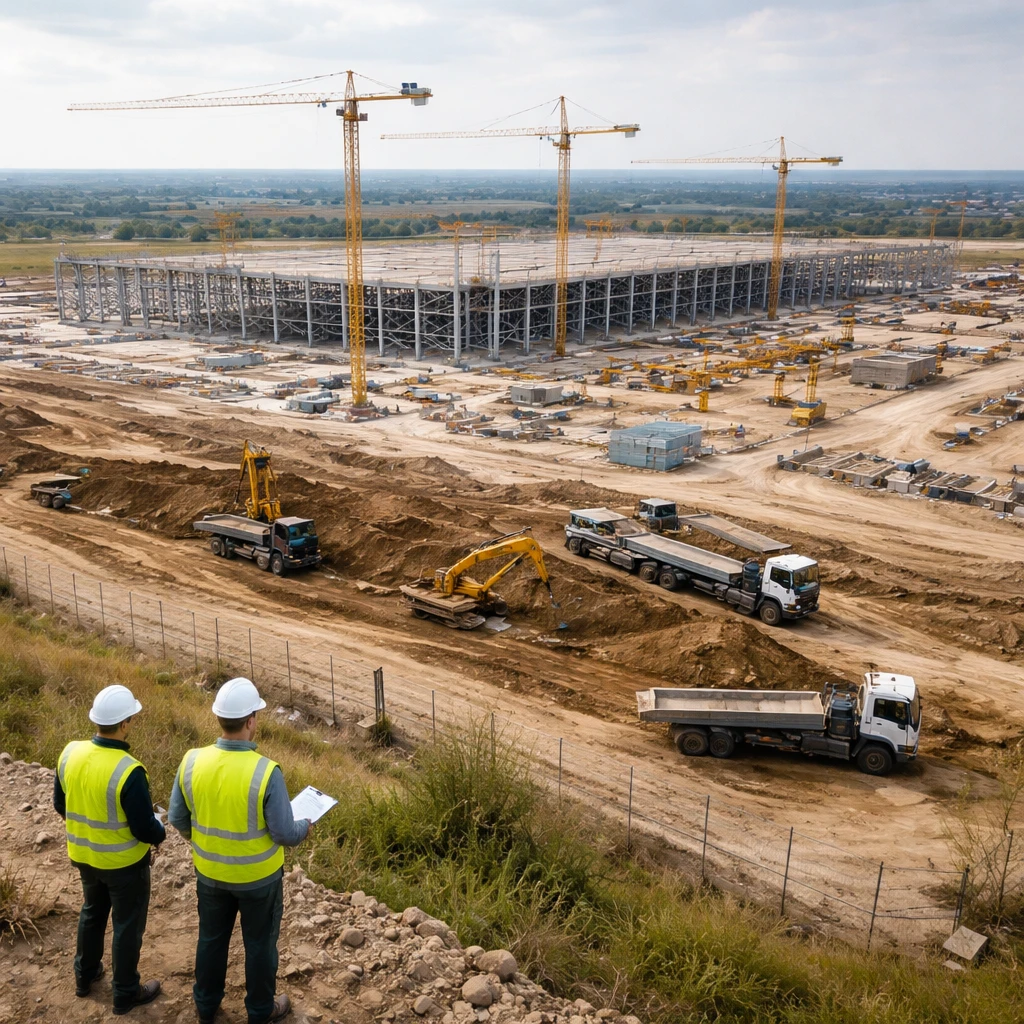
BYD has rejected allegations that it violated environmental regulations while building its electric vehicle manufacturing facility in Hungary, saying the claims are untrue and that legal counsel has been retained to respond.
Executive Vice President Stella Li addressed the matter at an international conference in Belgrade, describing the accusations as "a false claim" and noting that BYD had engaged lawyers to handle the case. Her comments follow a probe by Hungarian authorities into assertions that toxic soil was moved from BYD's construction site in the southern city of Szeged to another location.
The inquiry is one of several recent environmental examinations targeting companies active in Hungary's expanding electric vehicle and battery manufacturing sector. Officials have increased scrutiny of compliance among both automakers and battery producers operating in the country.
Despite the investigation, BYD said it remains committed to the Hungary project and is concentrating on scaling up production at the facility. According to Li, vehicle assembly at the plant is expected to begin in the fourth quarter.
The factory in Szeged will be BYD's first manufacturing operation inside the European Union and forms part of the company's broader strategy to expand production across the region. BYD is also continuing to consider locations for a potential second European production site but has not announced a final decision.
Li said the company has already compiled a shortlist of potential locations for a second plant. Possible routes under consideration include acquiring an existing factory, entering a partnership with another manufacturer, or building a new facility from the ground up. BYD has indicated it will evaluate these options as it seeks to expand its local production footprint in Europe.
During her visit to Serbia, Li met with President Aleksandar Vucic, who said the country could have a role in BYD's wider European manufacturing network. The company has not confirmed any final plans or the structure of a second facility.
Key points
- BYD denies violating environmental regulations during construction of its Szeged EV plant and has engaged lawyers to respond to the allegations.
- Hungarian authorities have opened an investigation into claims that toxic soil was moved from the Szeged site; the probe adds to broader environmental scrutiny of EV and battery production in Hungary.
- BYD remains committed to the Hungary project, expects vehicle assembly to begin in the fourth quarter, and is evaluating sites and strategies for a second European production facility.
Risks and uncertainties
- Ongoing investigation into alleged soil transfers - outcomes and any potential regulatory or operational impacts remain uncertain and could affect the Hungary project.
- Heightened regulatory scrutiny of battery producers and automakers in Hungary - increased compliance checks could lead to further probes or operational requirements for firms in the EV and battery sectors.
- Uncertainty around the location and structure of a second European plant - BYD has not finalized plans, leaving timing and investment implications unresolved.
This account is based on statements made by BYD executives and announcements about ongoing investigations and company plans. Details on any regulatory findings, legal actions, or final investment decisions have not been released.