
Economy June 30, 2026 01:52 PM

Brazil Rolls Back Emergency Diesel Support as Fiscal Pressure Builds

Administration trims fuel subsidies amid efforts to signal fiscal restraint while central bank warns of inflationary risks

By Nina Shah
Share
Twitter Reddit Facebook LinkedIn

The Brazilian government has begun scaling back emergency fuel subsidies, starting with diesel, as part of a move to signal tighter fiscal management. The change partially reverses temporary tax cuts and subsidy measures introduced after an oil price surge tied to the Iran conflict. The decision comes as Brazil records a large nominal budget deficit and as extra stimulus spending tied to the administration's reelection efforts has raised investor concerns and complicated the central bank's inflation fight.

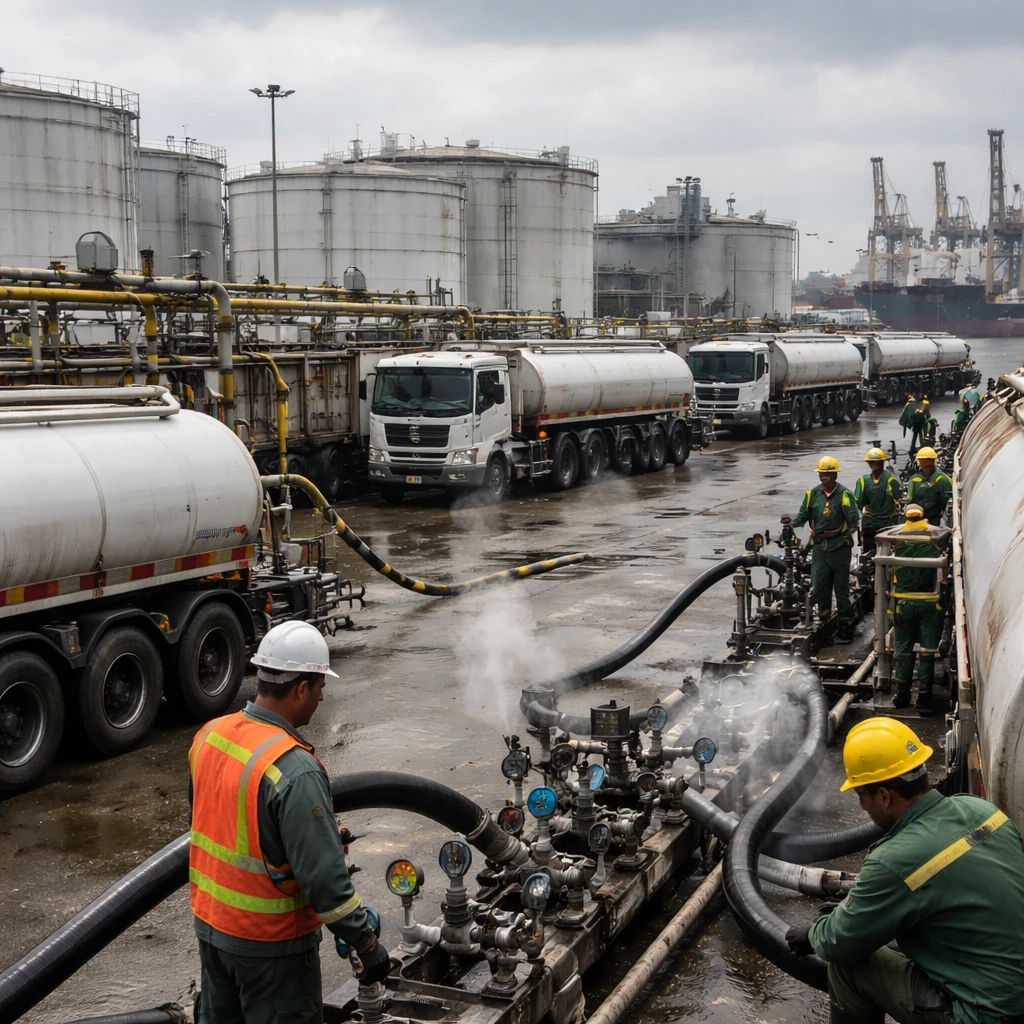
Brazil Rolls Back Emergency Diesel Support as Fiscal Pressure Builds
Summarize with
ChatGPT Perplexity Claude Grok Gemini

Key Points

  • The government has begun reducing emergency fuel subsidies, starting with diesel, reversing parts of temporary tax cuts and support introduced after the Iran conflict-driven oil price surge - sectors impacted include energy and transportation.
  • Brazil's nominal budget deficit reached 9.6% of GDP, with additional stimulus spending linked to the president's reelection efforts raising investor concerns - this affects sovereign fiscal health and fixed income markets.
  • The central bank raised its 2026 growth forecast to 2% citing stronger demand supported by fiscal and credit stimulus, but warned these measures could add inflationary pressure - relevant for monetary policy and banking sectors.

Brazil has started to unwind emergency fuel support this Tuesday, cutting back subsidies on diesel as President Luiz Inácio Lula da Silva’s administration seeks to demonstrate fiscal discipline, according to reports.

The initial step targets diesel subsidies, marking a partial reversal of a package of temporary tax reductions and direct support that had been put in place to buffer domestic consumers from an oil price jump linked to the Iran conflict.

Officials disclosed that the move is the first phase of exiting what has been one of the administration's largest emergency programs. Earlier in the year, the government announced it could allocate up to 2.9 billion reais per month to subsidize gasoline and diesel. Taken together, the assortment of tax reliefs and incentives enacted since the onset of the Middle East tensions is valued at roughly 13 billion reais.

The emergency measures implemented over recent months have been broad. They included lifting taxes on biodiesel and aviation fuel, subsidizing imports of cooking gas, measures to support domestic diesel production, and opening up credit lines from a national fund for airlines.

These policy choices come against a backdrop of strained public finances. Brazil's central bank reported earlier on Tuesday that the country's nominal budget deficit has reached 9.6% of gross domestic product. Observers have noted that billions of reais in additional spending, some of which has been directed toward bolstering the president's reelection campaign, have heightened investor concerns about further deterioration in fiscal accounts.

Those fiscal pressures are complicating the central bank's objective of steering inflation back to its 3% target using a tight monetary stance. Policymakers have warned that the stimulus measures could exert upward pressure on prices, noting that inflation has remained above 3% since 2020 during the Covid-19 pandemic.

At the same time, the central bank last week raised its growth forecast for 2026 to 2%, citing factors that include stronger demand supported by the combined fiscal and credit stimulus. That projection sits alongside explicit caveats from monetary authorities that fiscal stimulus may counteract disinflation efforts.

The rollback of diesel subsidies represents an initial effort to rein in emergency spending, but it also signals the start of a potentially protracted reassessment of temporary relief measures introduced in response to the global oil shock. How quickly the government proceeds with further rollbacks, and how markets interpret the move, will be watched closely by investors and policymakers focused on Brazil's fiscal and inflation trajectories.

Risks

  • Expanded stimulus and the cost of emergency programs could continue to widen fiscal deficits, posing risks to sovereign credit and investor confidence - impacting government bond markets.
  • The stimulus measures may add upward pressure on inflation, complicating the central bank's task of returning inflation to the 3% target through tight monetary settings - affecting interest rate-sensitive sectors.
  • A slow or incomplete rollback of temporary supports could prolong budgetary strain and uncertainty about future policy moves, creating volatility for markets that price fiscal sustainability and monetary policy outlooks.

More from Economy

GOP Hardliners Halt House Defense Bill to Push Voter ID Measure Jun 30, 2026 FCC to advance 2027 Upper C-Band auction, plans 160 MHz for 5G use Jun 30, 2026 ECB could pause rate hikes in July if Mideast tensions subside, says Dolenc Jun 30, 2026 Supreme Court term delivers major conservative wins while curbing some presidential powers Jun 30, 2026 Mercosur Opens Trade Negotiations with Japan, Signals Interest in China Jun 30, 2026