
Mercosur launched formal negotiations with Japan on Tuesday for an economic partnership agreement, the South American trading bloc said, signaling a push to expand trade ties in the wake of a newly provisionally applied deal with the European Union.
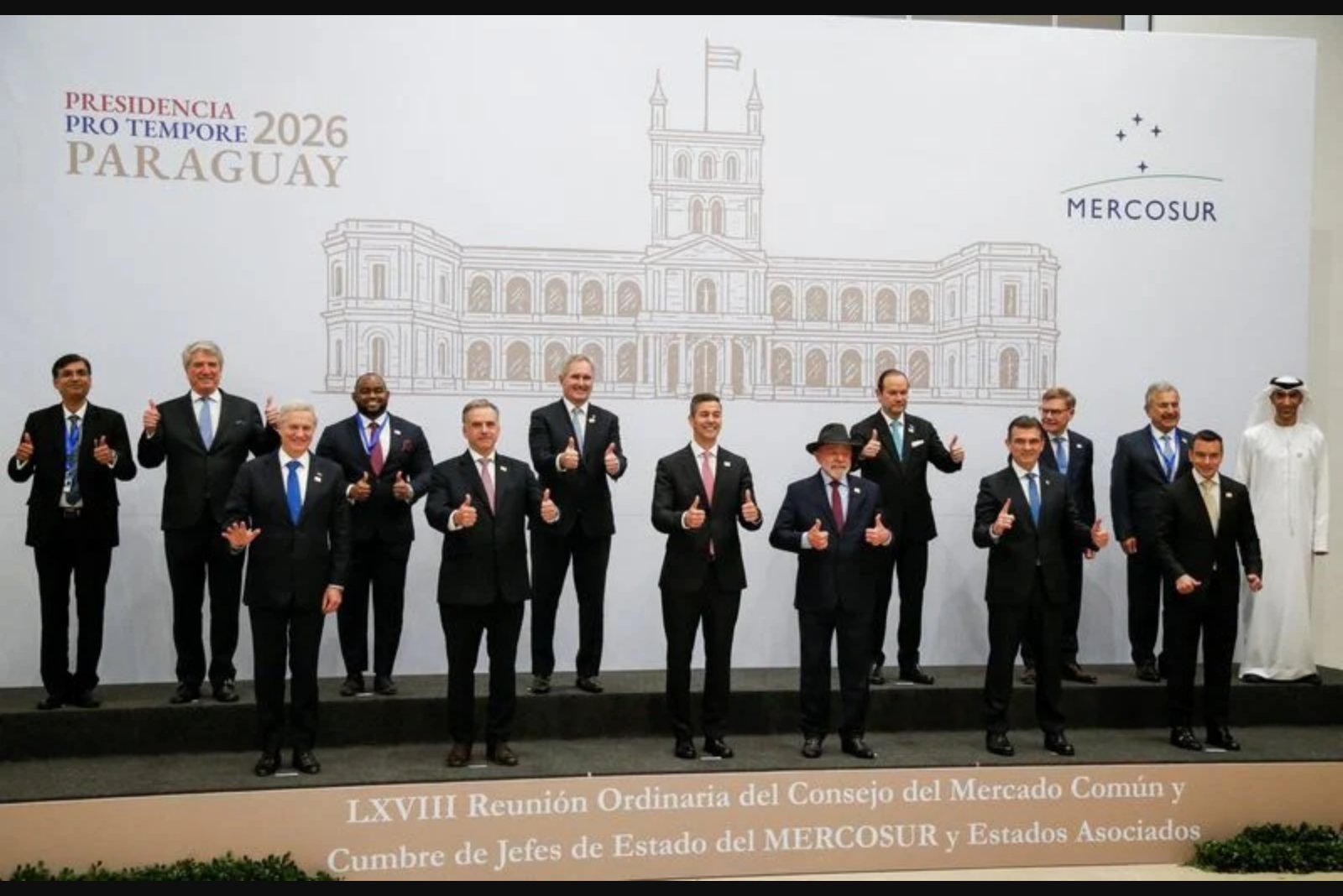
Officials said a completed agreement with Japan would create a free trade area encompassing roughly 400 million people and a combined gross domestic product of $7 trillion. Mercosur's members - Argentina, Brazil, Paraguay and Uruguay - announced the decision during a leaders summit in the Paraguayan capital, Asuncion, as Paraguay passed the bloc's pro tempore presidency to Uruguay.
The announcement followed two preparatory meetings with Japanese officials held in January and March this year, according to a joint statement from the parties. Brazilian President Luiz Inacio Lula da Silva and Japanese Prime Minister Sanae Takaichi previously discussed launching negotiations during a bilateral meeting at the G7 summit earlier in June, with both leaders noting progress from those earlier exchanges.
Under terms described in the joint statement, Mercosur and Japan will seek to expand access to markets for both agricultural and non-agricultural goods. The two sides also aim to promote cooperation and mutual investment by integrating value chains between their economies, the statement said.
Mercosur enters the talks after signing a long-awaited free-trade agreement with the European Union in January, a pact that had been negotiated over 25 years. That comprehensive deal provisionally entered into force on May 1.
Beyond Japan, Mercosur officials said talks are underway with Canada over a prospective trade agreement, with both sides expressing a desire to complete negotiations as soon as September or October. In addition, Brazilian President Lula said at the Asuncion summit that the bloc plans to launch negotiations with China in the near term, characterizing the move as part of efforts to move closer to more dynamic markets.
The bloc's outreach to Japan, Canada and potentially China follows a period in which major global trading relationships have shifted, prompting Mercosur members to pursue diversified economic ties. The negotiations with Japan will cover tariff and non-tariff market access for goods, and seek to foster cross-border investment and supply-chain integration between the economies involved.
Leaders highlighted the economic scale at stake, reiterating that a deal with Japan would contribute to a sizeable free-trade zone. The formal launch marks the next step after preliminary meetings earlier this year and bilateral discussions among heads of state at recent international gatherings.
Contextual note: The article reflects only the statements and dates reported by Mercosur and participating officials regarding the negotiations and related developments.