
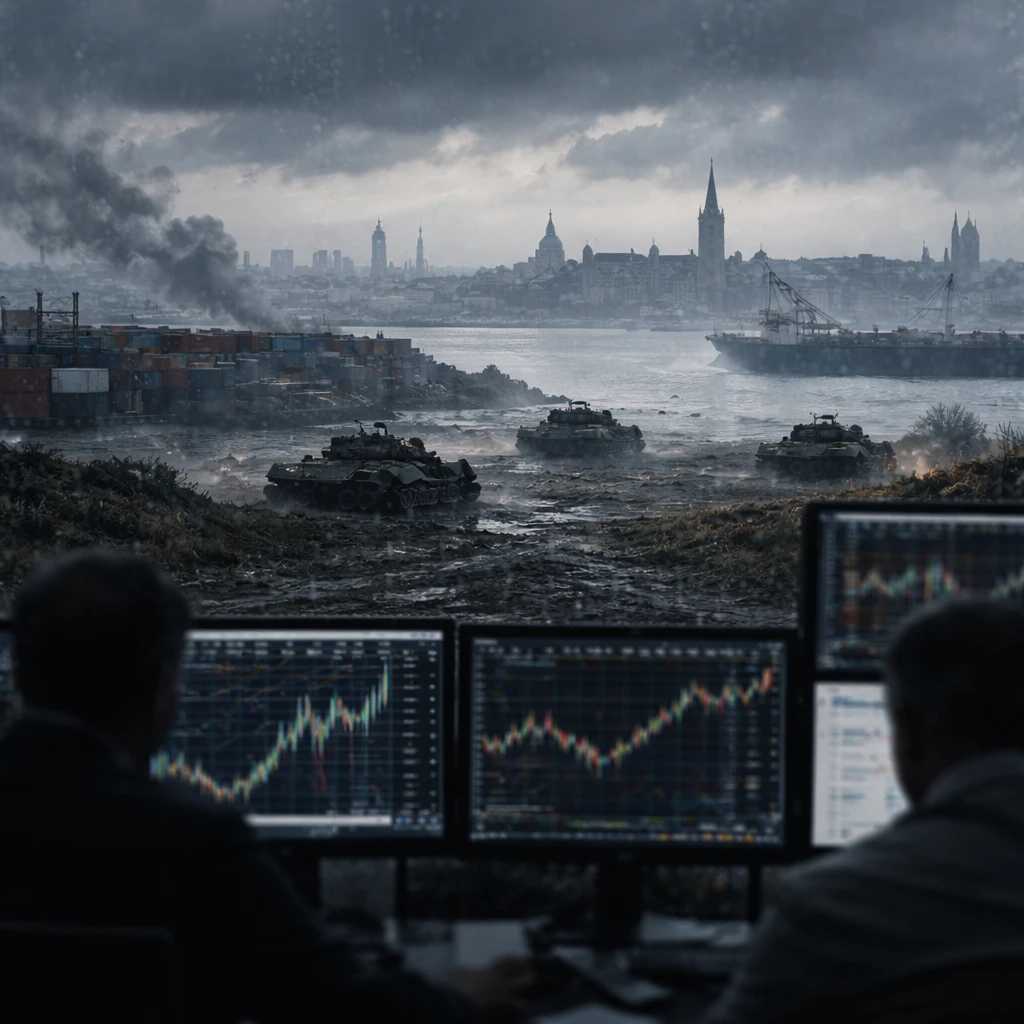
BCA Research is cautioning investors that geopolitical attention may move away from the Middle East and toward Russia and Ukraine in the third quarter, and that markets are not fully accounting for the possibility of a market-moving escalation in the conflict.
In a note to clients, the firm said the "stalemate" that has allowed many global investors to largely discount the Ukraine war since early 2023 "is probably coming undone."
BCA strategists pointed to Moscow's inability to capture the remainder of Donetsk province over the past year, noting that this occurred despite a ceasefire initiative from the Trump administration. The research team described the missed diplomatic opening as "a missed opportunity to deescalate the war and stabilize the world system."
The strategists, including Matt Gertken, identified increasing stress on Russia’s military and fiscal capacity. They wrote that production of oil and natural gas is falling and that energy revenue is no longer enough to offset battlefield setbacks. On the military side, BCA highlighted Russia's greater reliance on smaller and less-trained troop detachments to try to advance against Ukrainian lines.
On human costs, the team estimated that as many as 400,000 to 500,000 Russian soldiers may have been killed, with twice that number wounded. The note also described growing domestic pressure for an end to the fighting: public opinion and elements of Russia’s financial and economic elite are said to increasingly favor a ceasefire, with the strategists citing a report that Russian finance officials have told President Putin that continued war spending is unaffordable.
"The relapse of the ruble indicates the economic strain, which will worsen over time as central and regional budget deficits grow," the report said.
BCA said that economic and fiscal pressure could push Moscow toward a ceasefire - an outcome that the firm noted "Trump may also welcome ahead of November’s midterm elections" - but it warned that escalation remains an equally plausible path.
The research house outlined a range of more aggressive Russian actions that it believes are possible, including "more aggressive targeting, hybrid activities against NATO, and/or nuclear brinksmanship." It added that Moscow is likely to stage shows of military strength even while engaging in ceasefire discussions.
BCA also flagged the risk of sabotage against critical infrastructure and potential violations of NATO borders as live threats. The firm warned that "a U.S.-NATO crisis would vitiate the faith in the alliance’s collective security principle."
A central concern for the strategists is the prospect that Russia could try to drive a wedge between Washington and NATO before consenting to any truce. BCA said that such a development would likely push U.S. and European bond yields higher as markets priced in expectations of expanded defense spending.
Although BCA does not expect the war itself to necessarily move broader markets in a sustained way, the firm argued that a Russian provocation that fails to elicit a unified American response "will create a crisis in transatlantic relations and a bout of volatility."
Looking across geopolitical risks for the third quarter, BCA listed a Russian seizure of NATO territory among the clearest threats to its base-case outlook. Other risks cited alongside that scenario included a full shutdown of the Strait of Hormuz and a Chinese blockade or invasion of Taiwan.
The note frames the evolving Russia-Ukraine dynamic as a potential near-term pivot point for global risk sentiment, with direct implications for energy revenues in Russia, defense spending expectations in the U.S. and Europe, and fixed-income markets should a credibility crisis in transatlantic security unfold.