
Most currencies across Asia edged higher on Tuesday as the U.S. dollar cooled from a recent two-month high and market participants digested a fragile ceasefire between Israel and Iran. Attention was also focused on U.S. consumer inflation data due on Wednesday, which could influence expectations about the Federal Reserve's future interest-rate decisions.
The U.S. Dollar Index traded 0.1% lower, at 99.96 by 23:28 ET, slipping back from the two-month peak of 100.21 reached in the prior session.
Regional exchange rates received some support after reports that Israel and Iran paused attacks following diplomatic efforts led by U.S. President Donald Trump. Despite the apparent lull, traders remained cautious about whether the arrangement would hold, with elevated tensions and continued uncertainty around the Strait of Hormuz - an important route for global energy shipments.
The South Korean won was the top mover among regional currencies, with the USD/KRW pair falling 0.5% as the won strengthened.
The Indian rupee also strengthened, with the USD/INR pair slipping 0.4%. The Reserve Bank of India announced a package of measures at its 5 June 2026 monetary policy meeting aimed at supporting the rupee. ING analysts noted the measures could be significant, estimating they might bring in around US$40 billion of inflows and pointing to that as a factor underpinning near-term stability in the rupee despite global risks from persistent U.S. yields and uncertainty tied to the U.S.-Iran situation.
The Singapore dollar and the Australian dollar were largely unchanged, with USD/SGD and AUD/USD trading broadly flat through the session. The Japanese yen held steady against the dollar, with USD/JPY trading unchanged above the 160 yen level - a threshold that in April had triggered official market intervention.
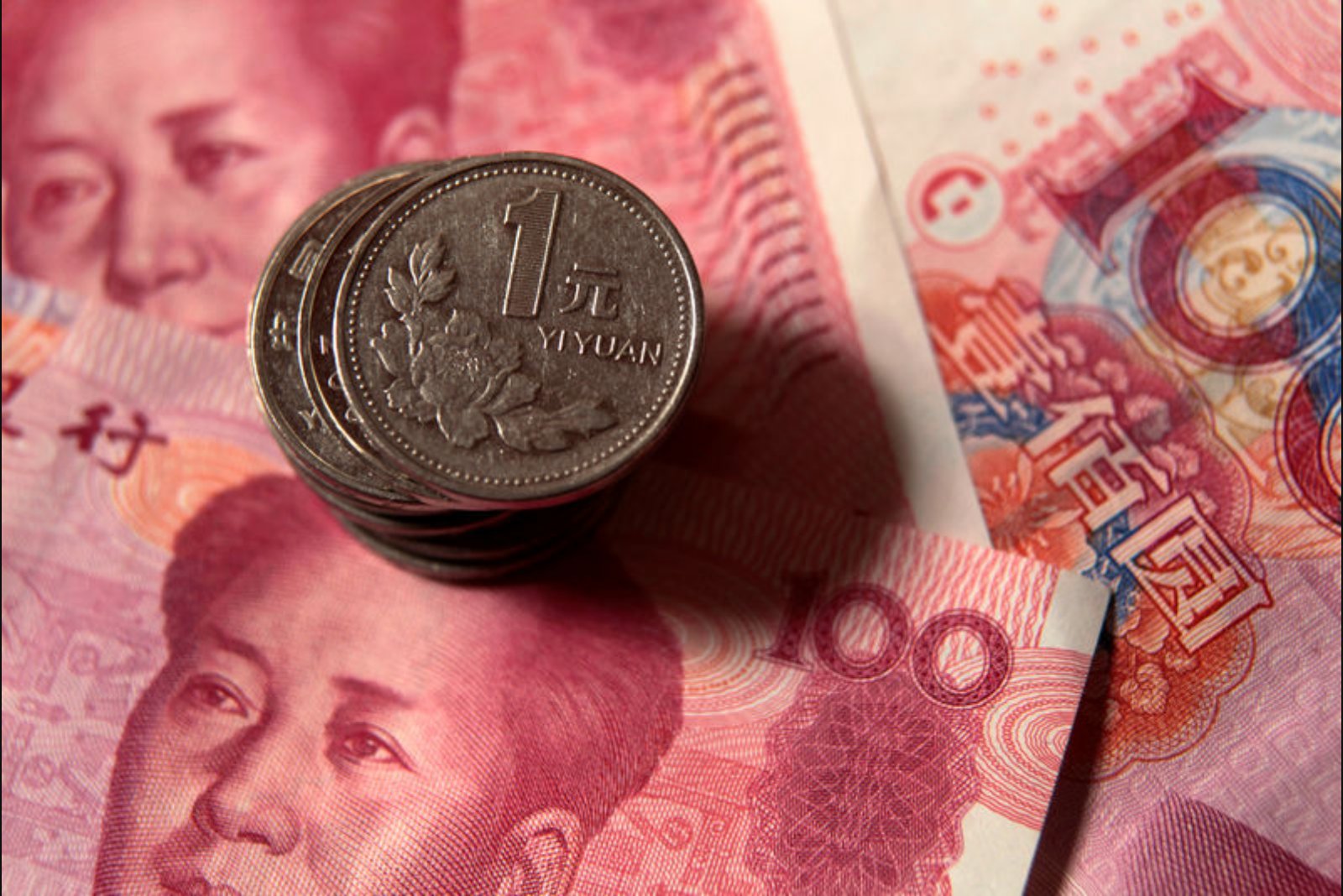
In China, the onshore USD/CNY pair ticked down 0.1% as national trade figures showed stronger activity than expected. Exports in May rose 19.4% year on year, accelerating from April's 14.1% gain and surpassing market forecasts. Imports expanded 27.4% year on year, and the trade surplus widened to $105.4 billion from $84.8 billion in April. Analysts attributed part of the export strength to robust demand for artificial intelligence-related products and to front-loaded overseas orders amid the Middle East conflict.
Globally, Treasury yields remained elevated following last week's robust U.S. payrolls report, which reinforced market expectations that the Federal Reserve may maintain restrictive policy for an extended period. Markets were pricing in roughly a 70% probability of a Fed rate increase by December.
All eyes are now on U.S. consumer price index data due on Wednesday. A stronger-than-expected reading could bolster the view of higher-for-longer interest rates and lend renewed support to the dollar.
Market implications
- Currency markets rallied modestly on relief over the temporary truce in the Middle East and on China’s surprise surge in export growth.
- Fixed income markets remain influenced by recent U.S. jobs data, keeping Treasury yields elevated and underpinning expectations of persistent Fed policy restraint.
- Upcoming U.S. inflation figures are positioned to be a key near-term driver for dollar direction and rate expectations.