
Dubai, United Arab Emirates, November 4th, 2026
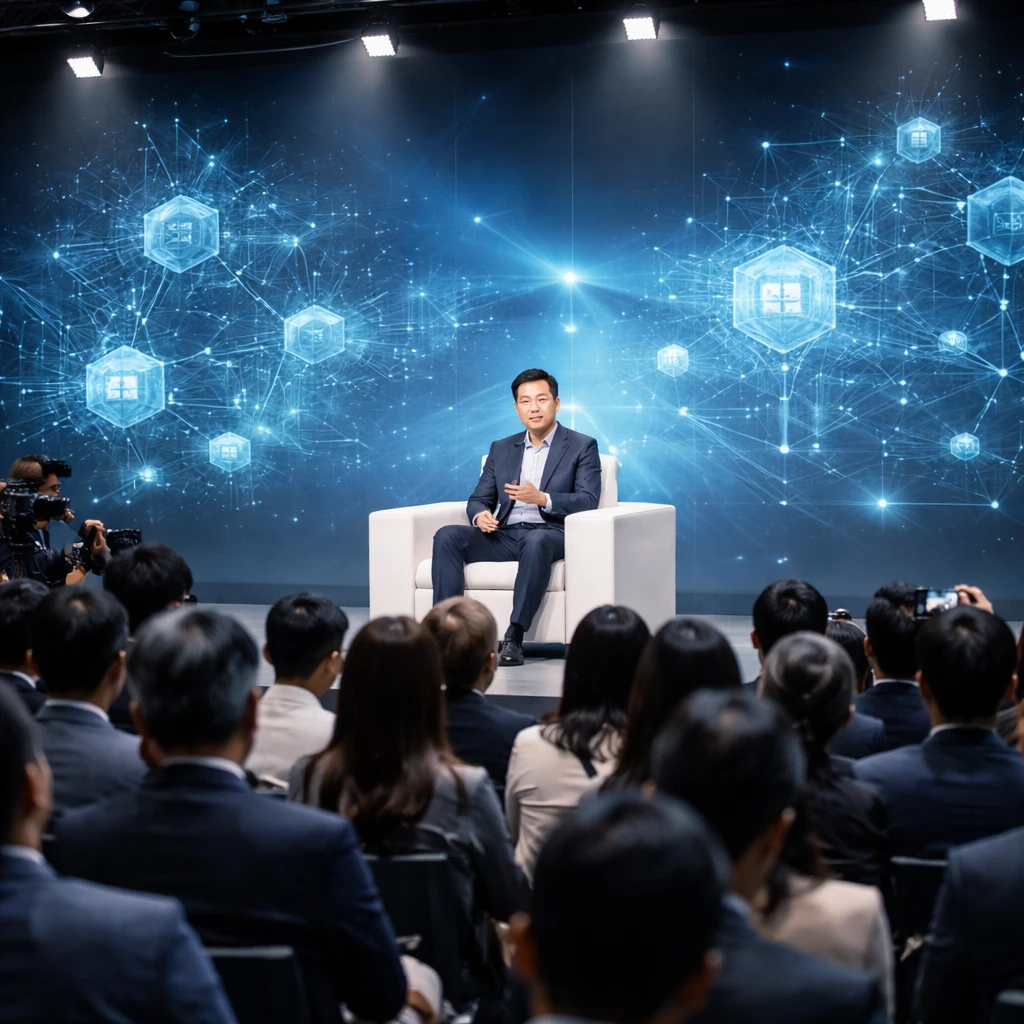
Bybit, the financial technology platform that says it serves more than 80 million users globally, took part in Hong Kong FinTech Week 2026, where co-founder and CEO Ben Zhou set out his view of how three technological trends - artificial intelligence, asset tokenization and tightly connected financial infrastructure - are altering the shape of financial services.
Speaking on the main stage in a fireside discussion titled "Bridging the Divide: The Next Chapter of TradFi & Crypto Convergence," Zhou described a future in which traditional finance and crypto are not opponents but complementary elements of a broader financial system. He argued that AI, tokenization and integrated systems can enable users to interact more easily with a wider array of markets and services, spanning digital assets, conventional markets, payments and savings.
Zhou framed the evolution as an integration challenge rather than a winner-takes-all race. Platforms, he said, will need to build the plumbing that connects asset classes and services while embedding security, risk management and regulatory compliance into those systems. That approach, he suggested, is necessary for delivering the broader range of services that users increasingly want.
He also noted that confidence in the crypto market is growing as the sector develops over time, and that liquidity will remain an important factor in its ongoing progress. In Zhou's view, Bybit's role is to bring these services together in a secure and efficient way, ensuring regulatory requirements and local accountability are incorporated into the systems that deliver them.
On the subject of artificial intelligence, Zhou highlighted a shift in the technology's function within financial services. Where AI has often been used to surface information or analysis, he said, it is moving toward initiating financial actions. That transition, he argued, creates a need for stronger permissions frameworks, tighter monitoring and more granular user controls to ensure actions taken by AI are safe, supervised and aligned with user intent.
When addressing tokenization, Zhou cautioned that placing assets on-chain is an initial step rather than a final solution. For tokenized markets to win broader acceptance, he said there must be clear investor rights, reliable custody arrangements and adequate liquidity so markets can operate with confidence. Those elements, in his view, are essential to turning on-chain representations into functioning, trusted markets.
Throughout his remarks, Zhou emphasized that improving access and efficiency need to be coupled with safeguards. As financial services become more interconnected and technology-driven, he said, security, risk management and regulatory compliance are crucial to building a resilient financial ecosystem and keeping the faith of users and market participants.
Regulatory and market notes
The company has a disclaimer regarding its availability in Hong Kong: Bybit is not licensed by the Hong Kong Securities and Futures Commission, and its services are not available to the public in Hong Kong.
About Bybit
Bybit describes itself as "The New Financial Platform." The company states its mission is to give people access to global financial opportunities by combining investing, trading, payments and wealth-building within a single ecosystem. Bybit claims to support more than 80 million users worldwide and says it integrates AI-powered technology, global liquidity, security and transparent operations to make finance more accessible and efficient.
For media contact and press inquiries, Bybit provides a contact address: [email protected]. The company also lists multiple social and community channels for updates, including Discord, Facebook, Instagram, LinkedIn, Reddit, Telegram, TikTok, X and YouTube.