
Market snapshot
As of 09:16 ET (14:16 GMT), Brent crude futures had fallen by 3.0% to $100.44 per barrel, while U.S. West Texas Intermediate (WTI) crude futures had dropped 3.2% to $93.00 per barrel. The declines extended losses for oil on Wednesday as market participants assessed the political and military developments shaping supply risk.
Political backdrop
Democrats secured majorities in both the House of Representatives and the Senate in the U.S. midterm elections, a result that represented a setback for President Donald Trump and could complicate the administration's agenda for the remainder of his second term. Traders focused on how the election outcome might influence Washington's approach toward Iran - whether the U.S. would escalate militarily or pursue diplomatic channels.
Recent military and diplomatic activity
Earlier this week, U.S. forces carried out what officials described as defensive strikes against Iranian air defence installations on Qeshm Island, near the Strait of Hormuz. Following those strikes, President Trump said Washington had no immediate plans for additional strikes.
At the same time, mediators have circulated fresh proposals aimed at narrowing differences between Tehran and Washington and averting a return to open conflict, Bloomberg News reported, citing a diplomat briefed on the matter. Iran said the U.S. response to its conditions for reopening the Strait of Hormuz was unsatisfactory. Qatar has intensified mediation efforts, with both sides exchanging proposals; however, a senior Iranian official told Reuters that the two countries remained far from an agreement.
Shipping and supply concerns
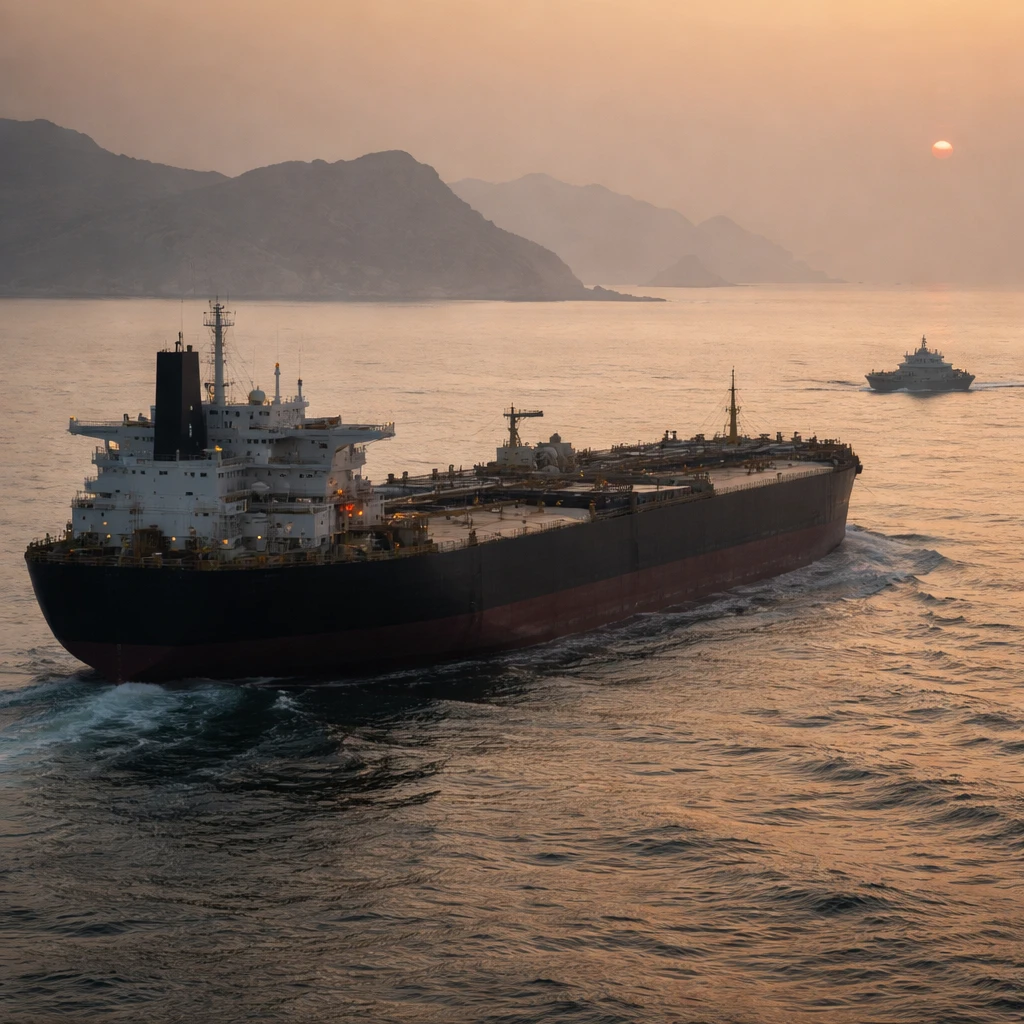
The strategic waterway remains a focal point for oil markets because any disruption to shipping could constrain global crude supplies. Market nervousness was heightened after another oil tanker was attacked in the Strait of Hormuz, underscoring ongoing threats to the security of energy shipments in the region.
Analyst observations
Analysts at Trade Nation noted that President Trump had previously indicated he stood ready to unleash an unprecedented attack on Iran once the midterms concluded, but that he had since scaled back those comments and said he would prefer a negotiated settlement. The analysts added that Iranian officials are understood to be in talks with Qatari mediators, even as skirmishes between the U.S. and Iran continue around the Strait of Hormuz. They also highlighted that Iranian-backed Houthi forces continue to pose a significant threat to Saudi Arabian infrastructure, energy and otherwise.
Implications for markets
With crude benchmarks around 3% lower on the session, investors continue to price in the risk that geopolitical frictions could intermittently tighten physical supply or disrupt marine transport routes. The interplay between U.S. domestic politics and the diplomatic track with Tehran remained the primary driver of short-term volatility in oil markets on Wednesday.
Additional reporting contributed by Scott Kanowsky.