
A recent social media message from the U.S. president suggesting the Keystone XL oil pipeline "may be awoken from the grave" has renewed scrutiny of the long-stalled project at a sensitive moment in U.S.-Canada trade talks. The remark arrived as negotiators from both countries assessed potential areas of cooperation and contention.
What Keystone XL was meant to be
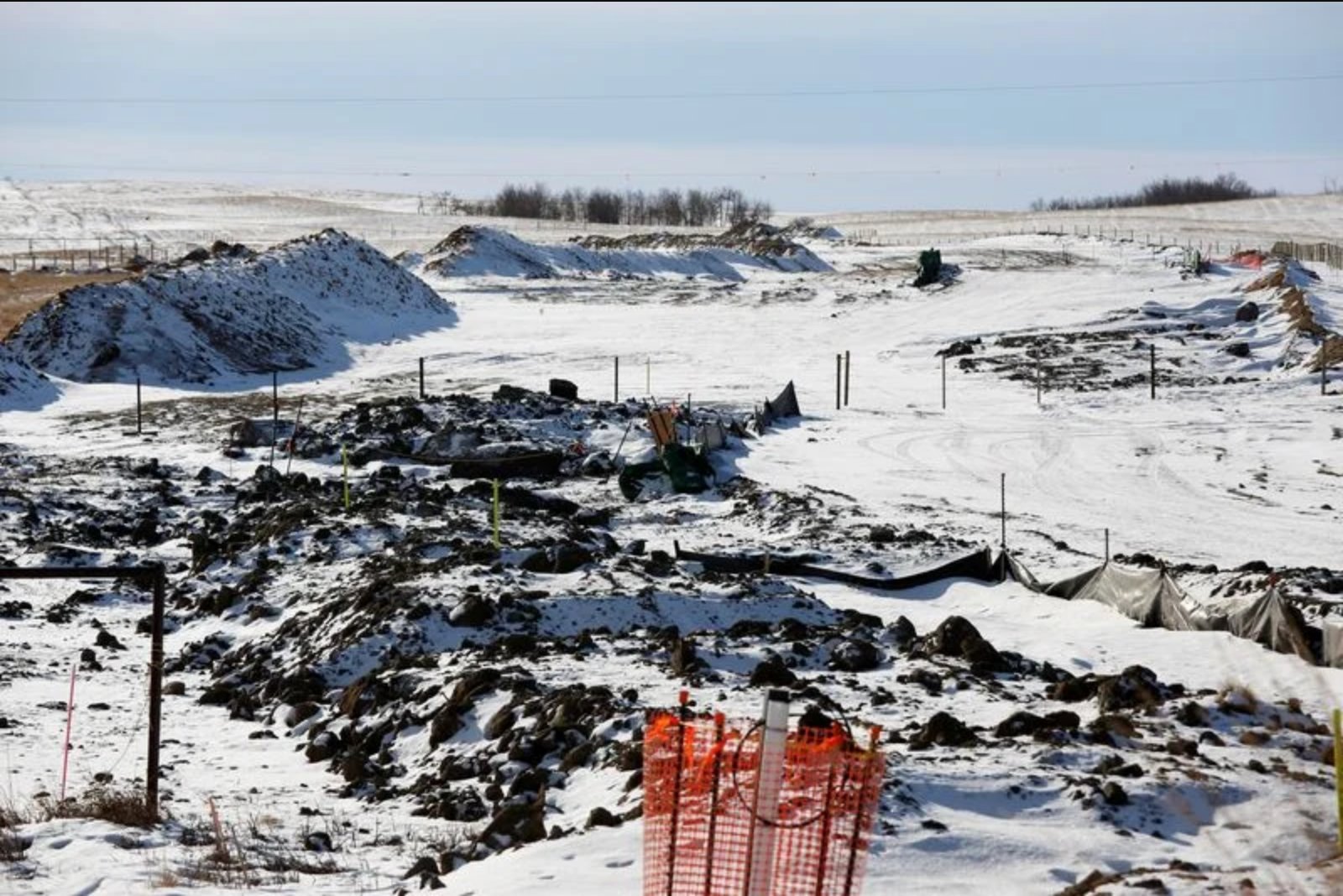
Keystone XL was planned as a roughly 1,900-kilometre crude pipeline designed to carry up to 830,000 barrels per day of oil from northern Alberta's oil sands to Cushing, Oklahoma, a key U.S. storage hub, and onward to refineries on the Gulf Coast. The proposal met sustained opposition from environmental and Indigenous groups. It was rejected under the U.S. administration of President Barack Obama, later revived under President Trump, and saw some construction activity before it was halted when President Joe Biden revoked a crucial permit for the U.S. portion of the route in 2021.
Who has been involved and how companies reacted
Canada's TC Energy, the company behind Keystone XL, recorded significant financial losses after the pipeline's cancellation. The firm subsequently spun off its crude pipelines business into a new entity called South Bow, a move that allowed TC Energy to reorient toward natural gas operations.
While South Bow at one point said it had "moved on" from Keystone XL, changing production forecasts in Canada prompted the company to propose an alternative titled Prairie Connector earlier this year. That project, which South Bow is developing with U.S. partner Bridger Pipeline, would have a capacity of 550,000 barrels per day, run from Alberta to Wyoming, and make use of some pipeline pipe that had already been installed on the Canadian side prior to Keystone XL's cancellation. South Bow has stated it will make a final decision on whether to proceed with Prairie Connector in 2027, and its chief executive has said a durable U.S. presidential permit is a prerequisite before moving forward. The company declined to comment on the president's recent social media posts.
How the pipeline figured in trade discussions
Reports indicate that Canadian Prime Minister Mark Carney raised the idea of reviving the pipeline during talks with the U.S. president last October, positioning it as a potential area for bilateral cooperation. Those trade discussions later stalled for months. The president posted a Keystone-related meme shortly after announcing a three-day reprieve on additional tariffs for Canada and then reposted it ahead of a subsequent midnight deadline intended to spur progress in the negotiations.
Why this matters
Canada is a major oil exporter, with more than 90% of its crude production destined for the United States. Many U.S. refineries rely on Canadian heavy crude as feedstock. As a result, decisions about cross-border pipeline infrastructure influence crude supply dynamics, refinery inputs, and commercial planning across the energy sector.
The future of pipeline projects that cross international borders also hinges on political decisions, permit durability and long-term regulatory certainty in the United States. That view is reflected in South Bow's stated need for assurance about presidential permitting before committing to Prairie Connector.
Additional context and constraints
Public statements from the companies involved and the social media posts by the U.S. president have drawn fresh attention to an infrastructure project that has already triggered legal, financial and political consequences. For now, Keystone XL itself remains a canceled project while Prairie Connector stands as a proposed alternative contingent on future approvals and commercial decisions.