
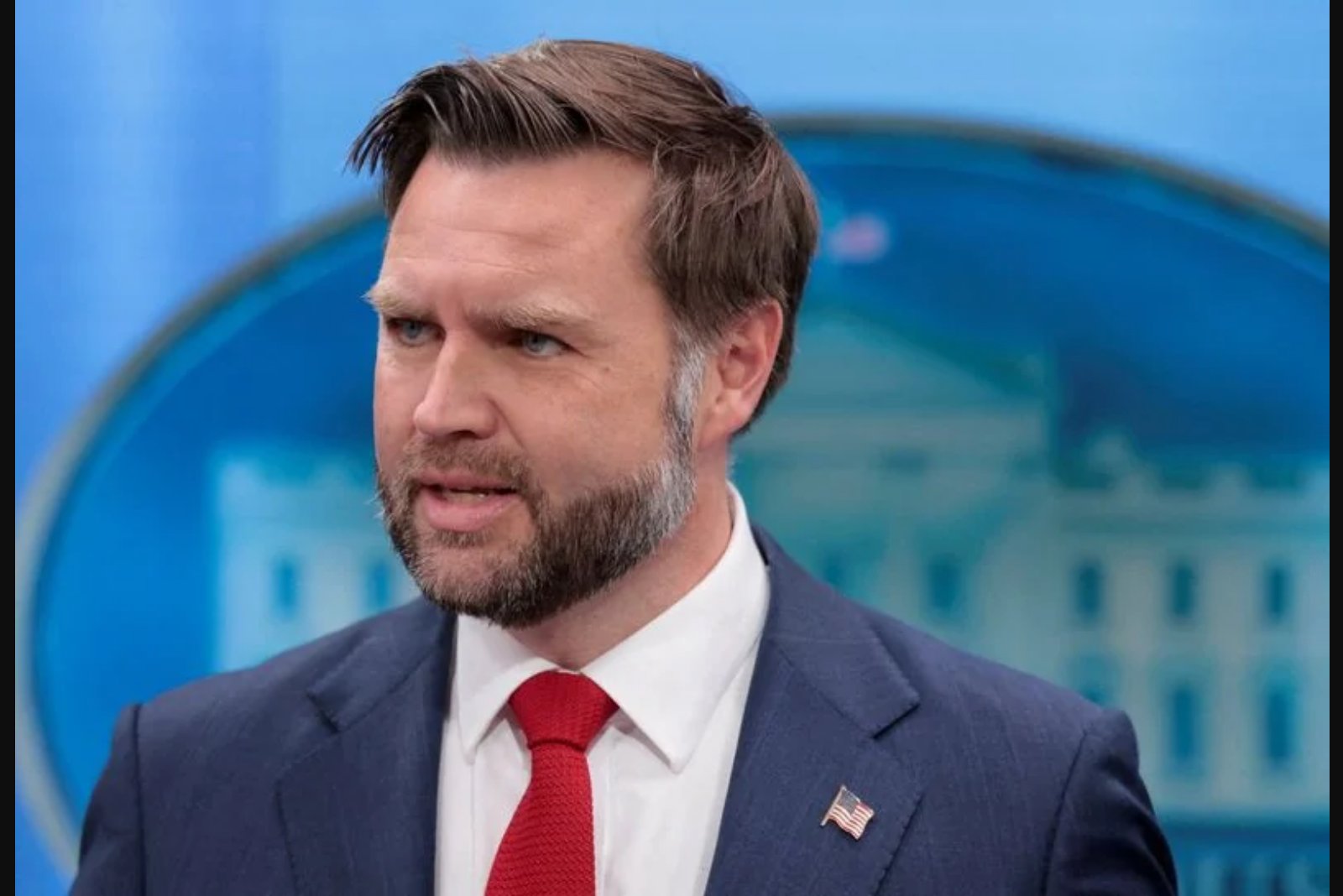
A U.S. Senate committee has opened an inquiry into whether Vice President JD Vance used his office in a manner that aided the awarding of a lucrative Venezuelan oil sales contract to the trading firm Vitol, according to a letter sent by Senator Maggie Hassan and reviewed by congressional aides.
The probe follows publication of an exclusive report that described a December meeting between Vance and Vitol trader John Addison, a meeting said to have occurred about a week before a U.S. invasion of Venezuela in January that resulted in the capture of authoritarian leader Nicolas Maduro. The committee's review is focused on whether Vance or his staff communicated with Addison or employees of the trading firm in a way that influenced the allocation of oil marketing rights.
In her letter to the vice president, Senator Hassan wrote: "I write today with serious concern that you may have used your position as Vice President to help a major political donor secure lucrative business opportunities involving Venezuelan oil." Hassan, a New Hampshire Democrat, is set to become chair of the Senate Homeland Security and Governmental Affairs Committee when the new Congress convenes in January. She has asked Vance's office to produce several categories of documents by December 14, including any communications between Vance or members of his staff and John Addison or the trading firm.
Sources familiar with the matter say the reported meeting between Vance and Addison took place in December 2025 while Vance was visiting Montana's Yellowstone Club, an exclusive ski and golf resort. At that time, Addison was employed as a gasoline trader at Vitol and, according to the firm, did not specialize in trading Venezuelan crude. Vitol has said Addison retired from the company earlier this year.
People familiar with the account of the December conversation say Vance and Addison discussed Venezuela. One account, attributed to Addison, says Vance was particularly interested in how quickly Venezuelan crude could be sold if the U.S. were to gain control of the country's oil supplies. The account says Addison assured Vance that Vitol was well-positioned to market that crude.
Both Vance and Addison have denied that such a meeting took place. Senator Hassan's letter notes that despite those denials, flight records place Addison's private jet and the vice president's government plane at the same Montana airport on the day when the meeting was reported to have occurred. Vance's press secretary responded to questions with a statement saying, "The alleged airport meeting never happened." A later clarification pointed out that the earlier report did not specify that the meeting occurred at the airport.
Events accelerated after U.S. forces entered Venezuela in early January. Addison has told reporters that on January 5 - two days after the operation that removed Maduro and resulted in up to 100 deaths - U.S. Energy Secretary Chris Wright called Addison at his desk in Houston with an offer to discuss the handling of Venezuelan crude. The administration planned to begin selling the South American OPEC nation's oil to global buyers to help finance a political transition, and Wright asked whether Addison's firm would be interested in participating.
The Department of Energy has confirmed that Wright placed a call to Addison on January 5 to discuss Venezuela. Within days of that outreach, Vitol and a competing trading firm, Trafigura, were issued special licenses to sell Venezuelan oil. Independent experts estimate those companies have since earned hundreds of millions of dollars marketing the crude.
The U.S. government itself handled more than $12 billion of Venezuela's oil revenue in the first nine months of this year, according to a State Department report released publicly earlier this month.
Federal Election Commission records show a history of political contributions from Addison to efforts that supported Vance and later the presidential campaign in 2024. Addison was an early financial backer of Vance, contributing $300,000 in 2022 to the Protect Ohio Values Political Action Committee to support Vance's successful U.S. Senate campaign. Later, Addison and his wife, Shannon, contributed $7 million in 2024 to political action committees backing the presidential reelection effort.
As the incoming committee chair moves to secure documents and communications, the investigation will look to determine whether official actions or private influence played a role in how lucrative Venezuelan oil marketing opportunities were distributed. The questions raised involve the conduct of a sitting vice president, the interactions of political donors with government officials, and the speed with which trading firms were positioned to begin selling Venezuelan crude after U.S. forces took control.