
Commodities November 23, 2026 04:38 AM

Iran Warns It Will Employ All Measures to Counter U.S. Naval Blockade

Foreign Ministry says blockade amounts to military aggression and Tehran could use available tools while Strait of Hormuz remains closed until U.S. conditions are met

By Marcus Reed
Share
Twitter Reddit Facebook LinkedIn

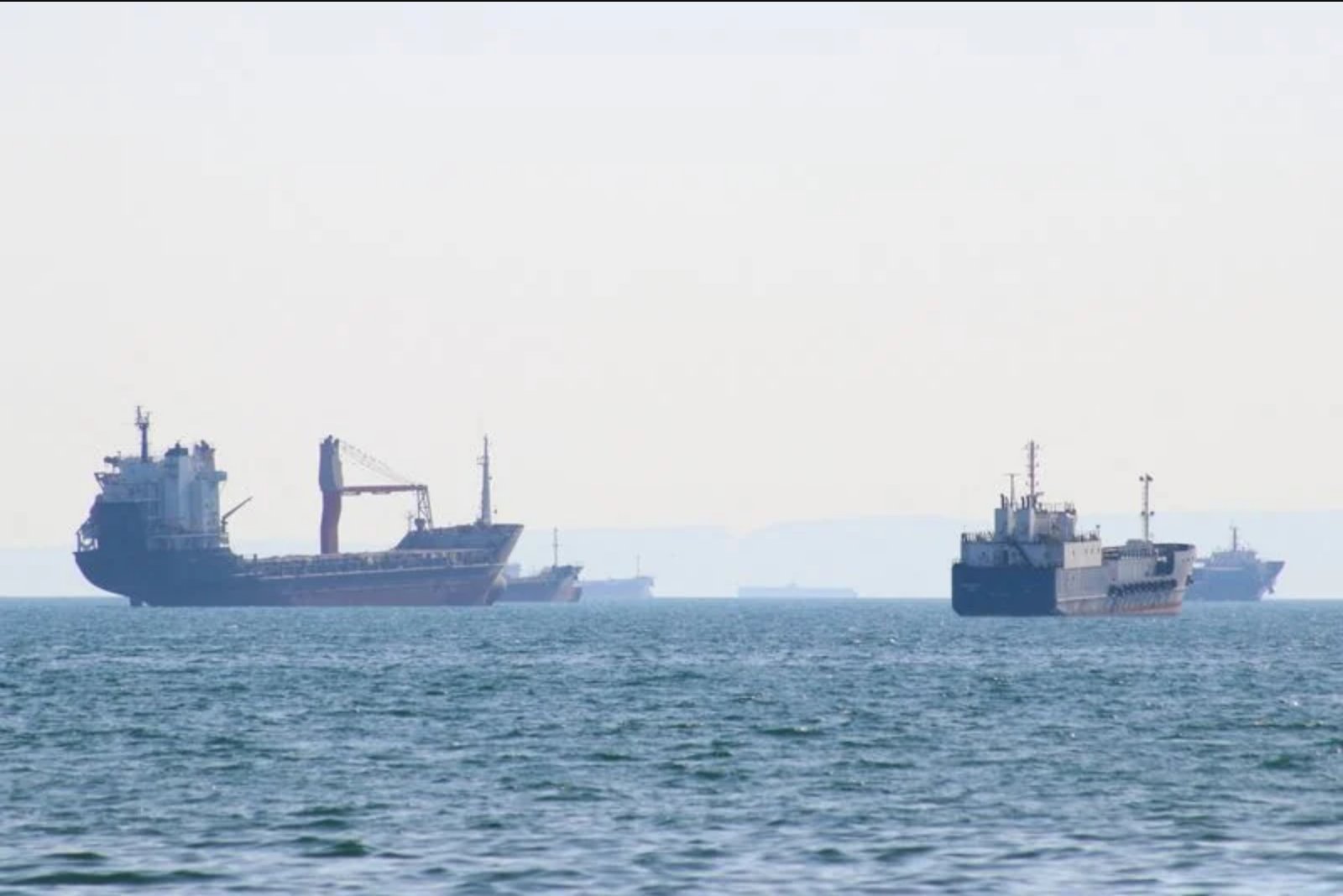
Iran’s Foreign Ministry reiterated that the country will use all available measures to confront a U.S. naval blockade it calls military aggression. The blockade, first imposed on April 13, was briefly lifted in June after a draft understanding but was reinstated on July 14 following the collapse of that agreement. Tehran says visible crude exports have fallen to near zero and that passage through the Strait of Hormuz will remain controlled by Iran until Washington meets specific conditions.

Iran Warns It Will Employ All Measures to Counter U.S. Naval Blockade
Summarize with
ChatGPT Perplexity Claude Grok Gemini

Key Points

  • Iran vows to use all available tools to confront the U.S. naval blockade, labeling it a military aggression - impacts energy and maritime sectors.
  • The U.S. blockade was imposed on April 13, lifted in June after a draft understanding, and restored on July 14 when the agreement collapsed - relevant to oil export flows and shipping operations.
  • Visible Iranian crude exports have fallen to near zero; Tehran asserts control over the Strait of Hormuz and links reopening to U.S. actions including halting hostilities, lifting the blockade and waiving sanctions - affects oil markets, shipping, and regional trade.

Iran’s Foreign Ministry said on Monday that Tehran will deploy all of its available tools to confront what it described as a U.S. naval blockade.

Speaking at a weekly news conference, spokesperson Esmaeil Baghaei reiterated that the blockade - first imposed on April 13 - was lifted in June when Washington and Tehran reportedly reached a draft understanding, but was restored on July 14 after that agreement collapsed.

"We will definitely not tolerate it (the blockade) and we will use all our tools to confront this US aggression," Baghaei said. He added that "the naval blockade ... is considered a military aggression" and that "Iran has the right to use any available tool to defend itself in this regard."

Last week, the maritime monitor TankerTrackers.com reported that a tanker was loading Iranian crude in the Gulf via a ship-to-ship transfer and could become the first vessel to successfully export Iranian crude since the U.S. reimposed the blockade in July. Baghaei dismissed such accounts on Monday as "speculations."

Visible Iranian crude exports have fallen to near zero in recent months as a result of the blockade, according to the reporting. Iran has made clear it controls transit through the Strait of Hormuz and said that it will only reopen passage when Washington meets a set of conditions.

Baghaei listed those conditions as halting hostilities, lifting the blockade and waiving sanctions. On the topic of reopening the strait, he said: "If the other side (the US) fulfils the related conditions we will be able to execute our commitments in the shortest time possible."

The Foreign Ministry remarks mark a firm restatement of Iran's position on maritime control, export restrictions and the circumstances under which it would reverse current measures affecting international shipping and oil flows.


  • Background: The U.S. blockade of Iran-related oil exports was imposed on April 13, briefly lifted in June and reimposed on July 14 after a draft agreement collapsed.
  • Current status: Tehran reports visible crude exports near zero and asserts control over the Strait of Hormuz.
  • International reporting: TankerTrackers.com said a tanker loaded Iranian crude via ship-to-ship transfer last week; Iranian officials called such reports "speculations."

The situation presents a continued source of uncertainty for oil markets and maritime logistics while Iran links any change in its posture to specific actions by the United States. For now, the government's public statements emphasize readiness to use a full range of measures to counter the blockade and maintain control over a critical maritime chokepoint.

Risks

  • Sustained near-zero visible Iranian crude exports could tighten regional oil supply and disrupt energy market balances - market and energy sectors affected.
  • Continued closure or restricted control of the Strait of Hormuz by Iran presents a maritime transit risk that could disrupt shipping routes and freight logistics - shipping and logistics sectors affected.
  • Escalation of tensions tied to differing interpretations of actions and reports (for example, disputed ship-to-ship transfers) increases uncertainty for insurers, charterers and risk managers in maritime trade - insurance and freight markets affected.

More from Commodities

Senate Panel Probes Possible Role of U.S. Vice President in Awarding Venezuelan Oil Contract Nov 23, 2026 Natural gas retreats as milder-than-normal November readings cut into heating demand outlook Nov 23, 2026 Oil Retreats as Geopolitical Premium Erodes and Markets Rebound Nov 23, 2026 Deutsche Bank Sees Oil Market Returning to Surplus, Predicts Brent at $70 or Lower in H2 2027 Nov 23, 2026 BCA: Wait for a Durable Dollar Peak Before Returning to Gold Nov 23, 2026