
Market snapshot
Oil prices extended declines in Asian trading on Monday, with benchmark contracts falling close to 2% as traders paid close attention to competing diplomatic and military developments in the Middle East.
As of 03:02 ET (07:02 GMT), Brent Oil Futures expiring in November were down 1.8% at $101.99 per barrel, while West Texas Intermediate (WTI) crude futures slipped 2.1% to $98.24 per barrel.
Diplomacy eases some supply fears
Brent had already finished the prior week with losses after indications that diplomatic progress might be possible and that efforts to restore Saudi oil supplies were showing results. Market participants interpreted those signs as reducing an element of the geopolitical premium that had been built into crude prices.
In a recent television interview, U.S. President Donald Trump said he would probably be open to meeting Iranian President Masoud Pezeshkian on the sidelines of the United Nations General Assembly in New York this week. Market observers noted that any forward movement toward negotiations could remove some of the risk premium associated with the U.S.-Iran conflict.
Military actions keep tension elevated
At the same time, fresh attacks by Yemen's Iran-backed Houthis underscored persistent risks to energy infrastructure and shipping lanes. The group launched missile and drone strikes towards Riyadh on Saturday, prompting Saudi authorities to issue air-raid alerts for the capital. The strikes occurred as the Houthis have intensified operations against Saudi Arabia amid the broader U.S.-Iran confrontation.
The renewed hostilities have heightened worries about additional interruptions to Saudi oil exports. Saudi Arabia's East-West pipeline, which moves crude from the kingdom's eastern fields to the Red Sea, continues to be affected by attacks, even as Riyadh pursues alternative routes to deliver barrels to international markets.
Logistics and market sensitivity
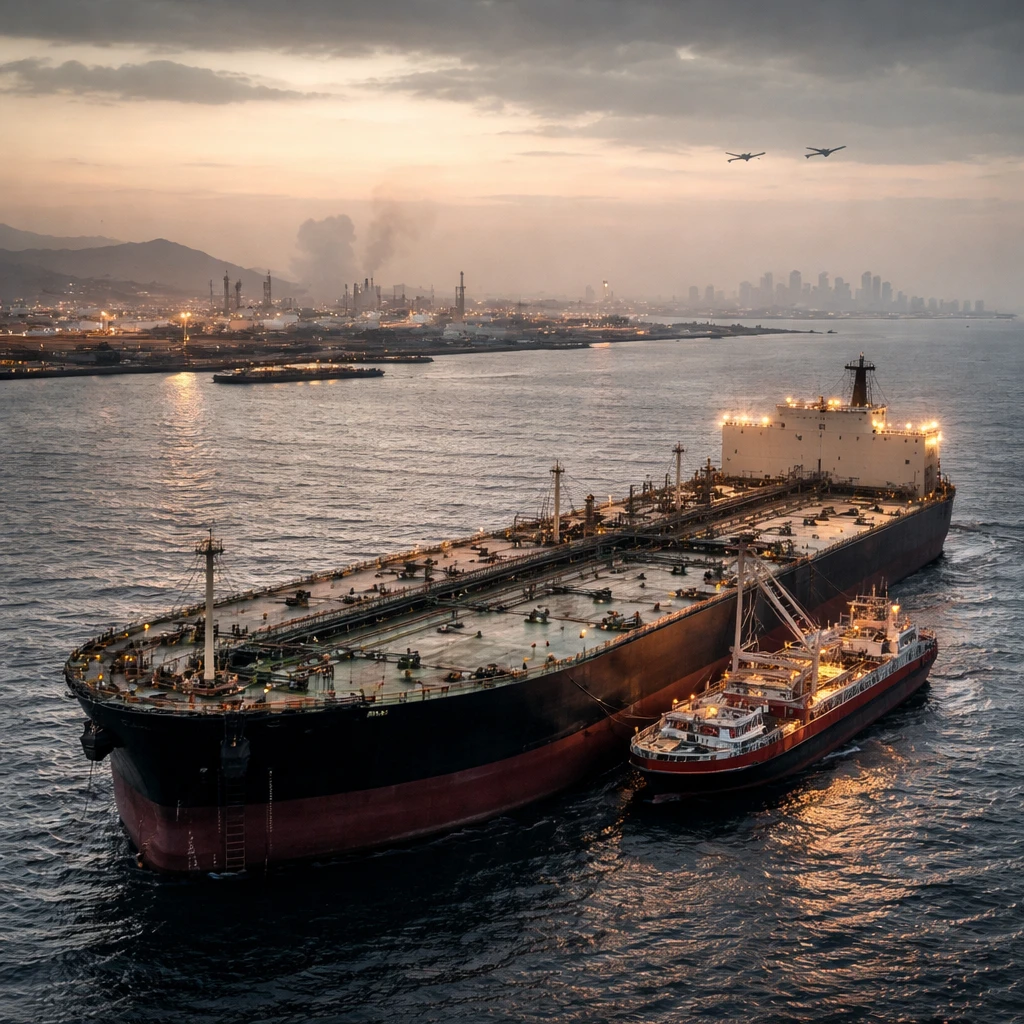
Earlier reports that Saudi Arabia was offering extra crude cargoes to Asian refiners via ship-to-ship transfers off Oman's Sohar port helped calm immediate concerns about an imminent shortage of supply. Those logistical measures, coupled with signs of possible diplomacy, presented offsetting signals to the market.
The combination of diplomatic overtures and ongoing military incidents has left oil markets particularly sensitive to any new developments on either front. Traders remain poised to react quickly to changes in negotiation prospects or to further attacks that could impact exports or key transit routes.
Outlook
With prices reacting to both hopeful diplomatic headlines and concrete military actions, near-term volatility is likely to persist as the market balances potential reductions in the geopolitical premium against tangible threats to infrastructure and shipping.