
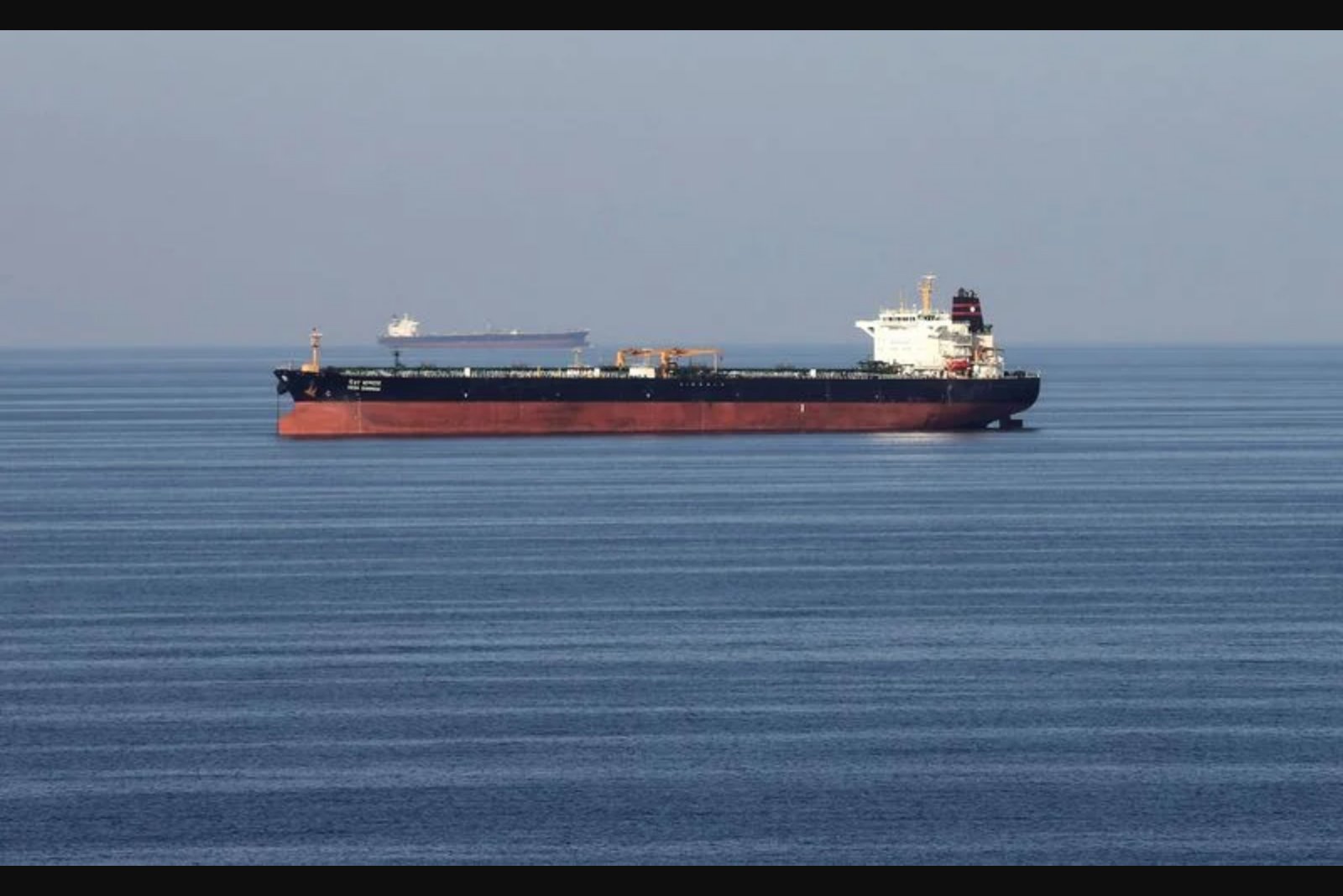
Aug 19 - Oil prices ticked up in early trade on Wednesday, marking a fourth consecutive day of gains driven by uncertainty over supply and navigation through the Strait of Hormuz.
Market moves
By 0004 GMT, Brent crude futures were trading 26 cents higher, or up 0.29%, at $91.28 a barrel. U.S. West Texas Intermediate futures rose 37 cents to $85.31 a barrel. Both contracts had closed on Tuesday at their highest levels since July 24 as hopes of a diplomatic resolution between the United States and Iran diminished.
Geopolitical backdrop
Investors continued to parse contradictory statements from U.S. and Iranian officials about whether the Strait of Hormuz is open to shipping. The U.S. President said on Tuesday that no talks were taking place with Iran and reiterated that the Strait of Hormuz was open, a position that ran counter to Iranian statements that the critical waterway remained closed to ships.
A temporary ceasefire agreement expired on Monday. A senior Iranian official said his country was shifting to a "fully offensive" military posture because of the diplomatic stalemate, although there were no reports of fresh strikes by either side on Tuesday.
Regional export responses
To provide alternatives to shipments through the Strait of Hormuz, Iraq's cabinet approved a set of mechanisms to export Iraqi crude via specialized international and local companies and through multiple export outlets, the government said on Tuesday. The contracts under that mechanism are scheduled to run for three months beginning September 1, according to a statement issued after the cabinet meeting.
Separately, two major Chinese shipping companies have stopped sending oil tankers through the Strait of Hormuz and the Bab al-Mandeb strait amid the Middle East tensions, instead collecting cargoes outside the Gulf, according to industry executives, tanker tracking data and a ship broker.
U.S. inventory signals
Market sources on Tuesday, citing data from the American Petroleum Institute, reported that U.S. crude oil and distillate inventories fell last week while gasoline stocks rose. Official figures from the U.S. Energy Information Administration are due at 10:30 a.m. ET (1430 GMT). Analysts polled expected crude stocks fell by about 600,000 barrels in the week ended August 14.
What this means for markets
Price gains reflect a combination of navigation risk premiums, adjustments in regional export logistics and near-term shifts in U.S. stockpiles. With export routes being adapted and official inventory data imminent, traders are balancing supply concerns against available logistical alternatives.
Note: Market figures and government statements cited in this report reflect the data and statements released on or before Aug 19.