
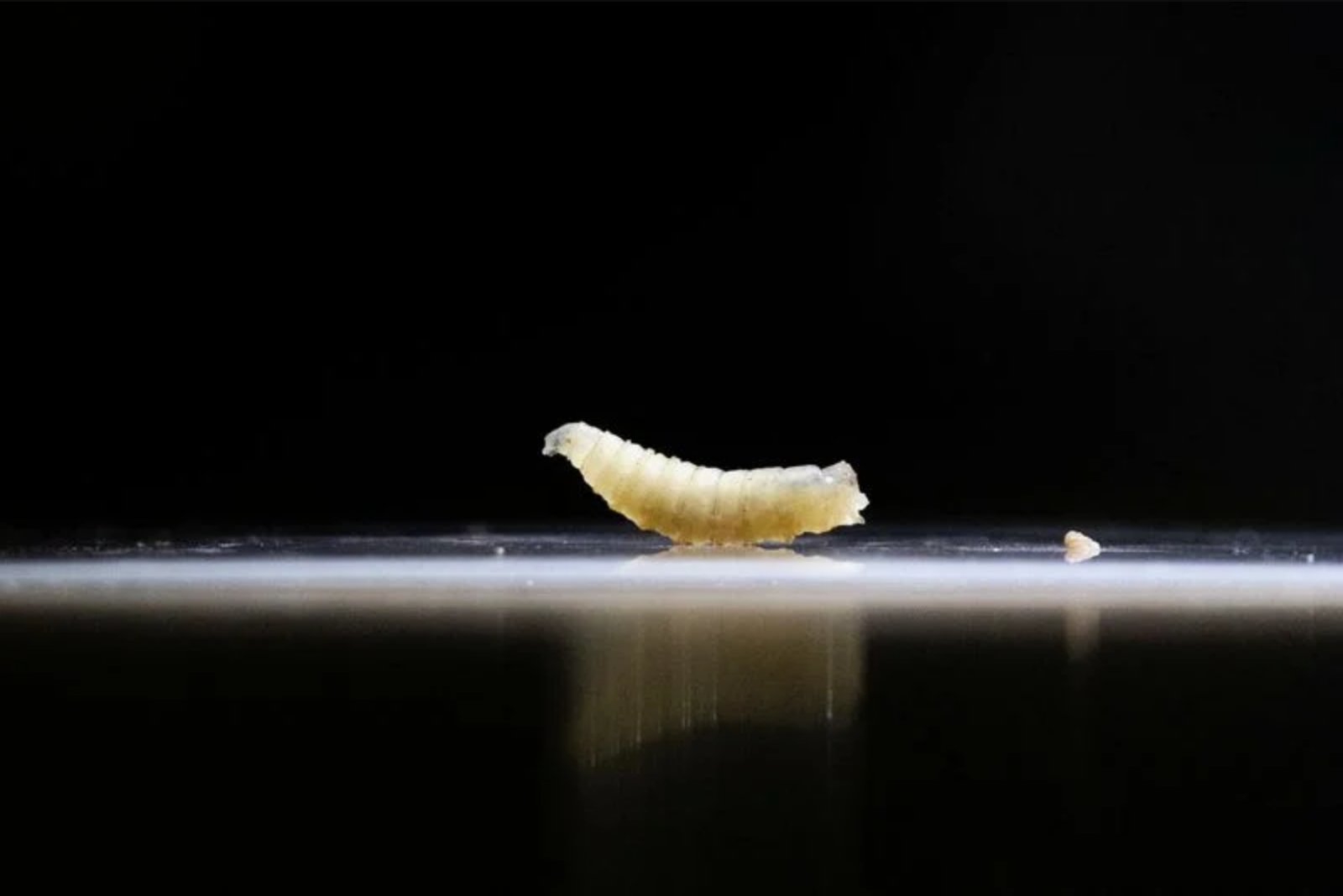
The U.S. Department of Agriculture confirmed a case of New World screwworm in a horse in Grant County, New Mexico, on Thursday, marking the second confirmed equine infection since the parasite entered the United States from Mexico in June.
The horse was found in Grant County in the southwest corner of New Mexico near the Mexican border, according to the USDA’s public information. The report of the infected animal arrives as federal officials move toward reopening a New Mexico port of entry to Mexican livestock after it was closed to stem the spread of the flesh-eating parasite.
USDA Secretary Brooke Rollins said on Wednesday that the department was preparing to reopen a New Mexico livestock crossing next week. Rollins held a news conference at the Santa Teresa, New Mexico, port on Thursday to outline plans to resume trade at that facility on September 24. The New Mexico Department of Agriculture said the horse case had not been confirmed at the time of that news conference.
Jenny Green, a spokesperson for the New Mexico Department of Agriculture, said on Thursday she had no immediate update on whether the newly confirmed case would alter plans to reopen the port. The USDA did not immediately respond to a request for comment about the timing or potential changes to the reopening schedule.
The detection in Grant County follows a recent discovery of the first U.S. horse infested with screwworm in southern Texas, also located near the Mexican border. Officials said they are investigating how the New Mexico horse became infested and whether animal movement across the border played a role in its exposure.
Federal authorities report three active screwworm cases in the United States at this time: the two infected horses in New Mexico and Texas, and a dog in Texas, according to USDA information. The current detections come after last year’s suspension of livestock imports from Mexico, a measure intended to prevent reintroduction of the parasite.
The U.S. halted livestock imports from Mexico last year to keep out screwworm and then resumed trade last month at an Arizona port as part of a phased reopening plan. That earlier suspension contributed to tighter U.S. cattle supplies and was cited as a factor that pushed beef prices to record highs for American consumers.
Officials continue to investigate and monitor the situation. The presence of multiple active cases along the border has left regulators balancing agricultural trade resumption with efforts to contain an insect known for infesting wounds and eating animal tissue.
Context note: Officials are continuing investigations into the origins of the New Mexico infestation and have not released further public detail about potential links to animal movement or smuggling. Any decisions to delay or alter port reopening plans were not confirmed at the time of the latest statement from the New Mexico Department of Agriculture.