
Commodities June 26, 2026 03:21 AM

Italy to Join U.S.-Led Pax Silica AI Supply Chain Initiative Despite Diplomatic Rift

Rome signals continued engagement with allied AI supply-chain effort after public spat between leaders halted a planned Miami signing

By Avery Klein
Share
Twitter Reddit Facebook LinkedIn

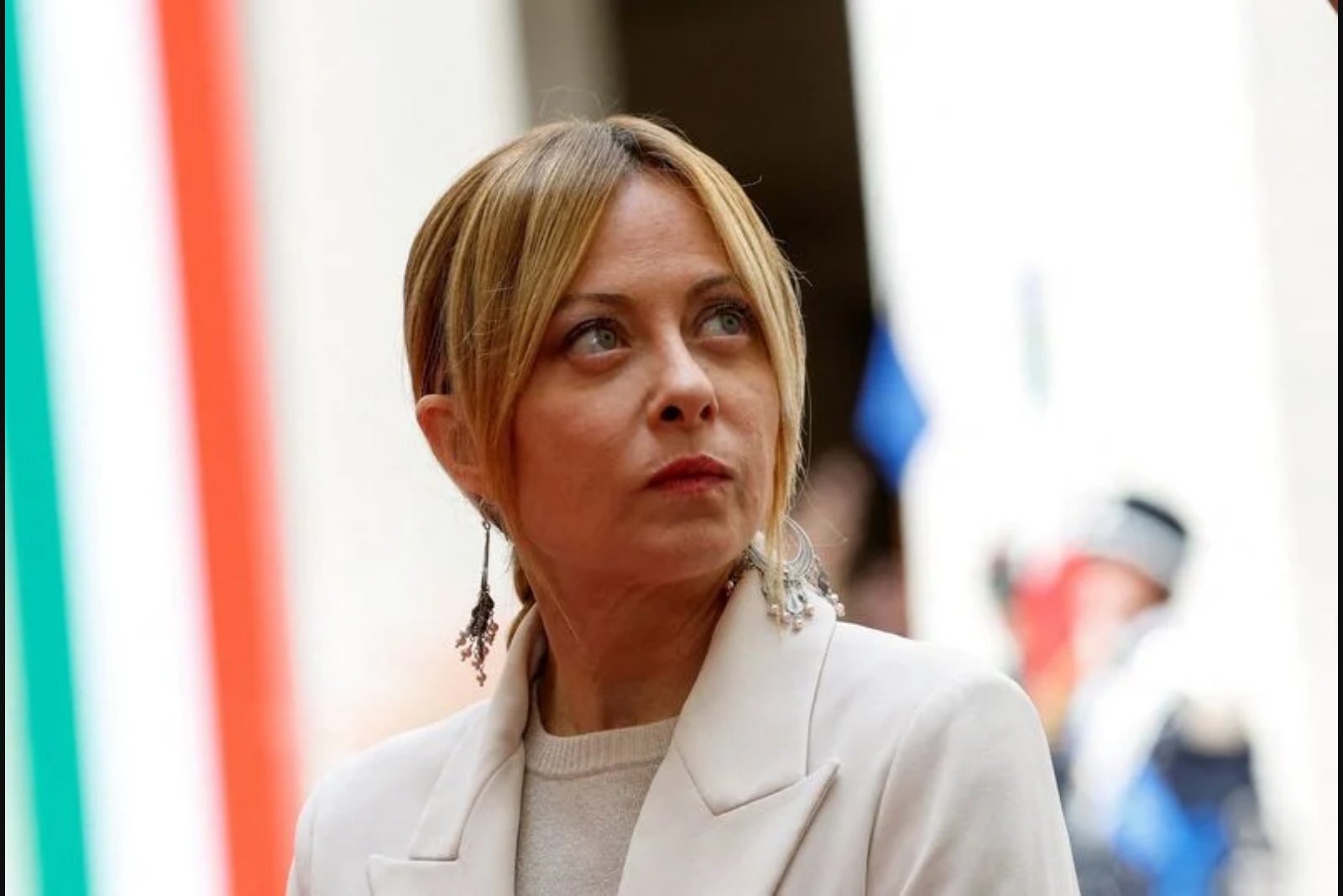
Italy has confirmed it will become part of the U.S.-led Pax Silica initiative on AI-related supply chains, a government official said, even after a public disagreement between Prime Minister Giorgia Meloni and U.S. President Donald Trump led to the postponement of a planned visit. An Italian envoy said a memorandum of understanding will be signed "at the first available opportunity," and that the move provides a political basis to resume cooperation.

Italy to Join U.S.-Led Pax Silica AI Supply Chain Initiative Despite Diplomatic Rift
Summarize with
ChatGPT Perplexity Claude Grok Gemini

Key Points

  • Italy will join the U.S.-led Pax Silica initiative on AI supply chains, according to an Italian foreign ministry official.
  • A memorandum of understanding between Italy and the U.S. is expected to be signed by Foreign Minister Antonio Tajani and U.S. Secretary of State Marco Rubio "at the first available opportunity."
  • Pax Silica covers energy, critical minerals, advanced manufacturing and AI models; the European Commission and the Netherlands have recently joined.

Italy will join the Pax Silica initiative, a U.S. State Department effort to coordinate allied countries on securing artificial intelligence-related supply chains, an Italian foreign ministry official said. The announcement comes despite a public dispute between Prime Minister Giorgia Meloni and U.S. President Donald Trump that delayed a planned Italian signing in Miami.

Ambassador Armando Varricchio, speaking to Corriere della Sera, said that Italian Foreign Minister Antonio Tajani and U.S. Secretary of State Marco Rubio will sign a memorandum of understanding "at the first available opportunity." Varricchio described the agreement as offering "a political basis that demonstrates the willingness to resume from where we had temporarily left off."

Pax Silica, led by the U.S. State Department, aims to bring allied nations together to secure supply chains related to artificial intelligence. The initiative covers a range of areas explicitly cited by Italian officials, including energy, critical minerals, advanced manufacturing and AI models. The European Commission formally joined the initiative on Thursday, and the Netherlands signed up earlier in the week.

Acting as Italy's special envoy for innovation, Varricchio attended a Washington summit on Pax Silica on Thursday as an observer. While there, he signed a joint declaration on AI opportunities alongside delegations from a number of countries named by the Italian official, including Britain, Germany, Japan, India and South Korea.

Italy had been scheduled to complete its formal accession to Pax Silica on Monday in Miami. That plan was altered after a public falling out between Prime Minister Meloni and President Trump, which followed a complaint from Trump regarding Italy's alleged lack of support for the Iran war. In the wake of that dispute, Foreign Minister Tajani canceled the Miami trip, and the signing was put on hold.

The Italian foreign ministry official framed the planned memorandum as a way to restore momentum in multilateral cooperation on AI supply chains. Beyond the formal signing, the statements from Rome indicate the country intends to remain engaged in the initiative alongside other European and global partners who have recently joined or declared support.


Contextual note: The details above reflect statements made by an Italian foreign ministry official and the reported sequence of events surrounding Italy's participation and the postponed Miami engagement.

Risks

  • Diplomatic tensions between Italy's government and the U.S. leadership - demonstrated by the public dispute between Prime Minister Meloni and President Trump - can delay or complicate formal cooperation on supply-chain initiatives; this could affect markets tied to AI hardware and critical minerals.
  • Postponement of planned diplomatic engagements and signings, such as the canceled Miami visit, creates uncertainty around the timing of implementation for coordinated supply-chain measures, which may influence advanced manufacturing and semiconductor-related sectors.
  • The limited nature of the reported statements and observer-level participation at the Washington summit means details of concrete commitments and timelines remain unclear, leaving execution risks for industries dependent on stable AI supply chains.

More from Commodities

IAEA to Gain Access Under Interim U.S.-Iran Accord, Chief Says Jun 26, 2026 Montenegro and FBI Detain Iranian National Linked to Major U.S. Cyberattacks Jun 26, 2026 Gold Falls for Fourth Straight Week as Dollar Strength and Fed Hike Odds Rise Jun 26, 2026 Saudi Aramco Restarts Loading at Ras Tanura After Nearly Four-Month Interruption Jun 25, 2026 Oil Prices Slip as Strait of Hormuz Shipments Resume After Attack Near Oman Jun 25, 2026