
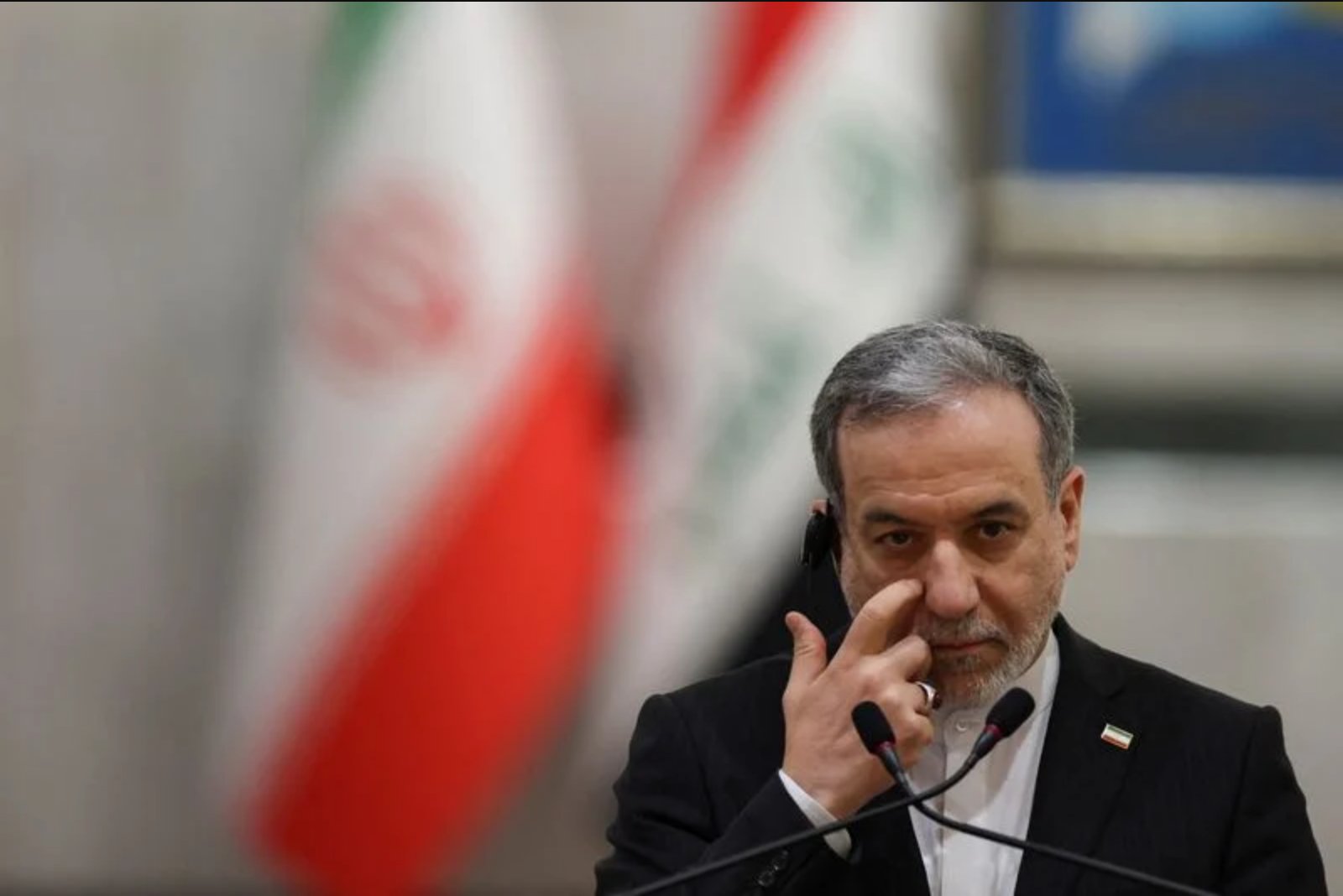
DUBAI, Aug 23 - Iran’s foreign minister characterized the U.S. threat of new sanctions as a repetitive tactic born of desperation and asserted that any forthcoming measures would not succeed in defeating Tehran.
In a video posted on Telegram, Foreign Minister Abbas Araqchi framed recent U.S. rhetoric as part of a familiar cycle. He said the shift from talk of military operations to revived proposals for sanctions underlines what he called Washington’s desperation. Araqchi said the United States should engage Iran with respect to seek "a solution based on justice and honour."
"We have never been afraid. All of their actions - whether blockades or other military moves they have made - have failed, and this new issue of theirs will fail as well," Araqchi said in the message.
The comments follow a U.S. Treasury warning that was described as a threat to impose what Washington called "the toughest sanctions in history." The Treasury Secretary Scott Bessent is due to hold a press conference at 2 p.m. EDT (1800 GMT) on Monday, according to U.S. notices that accompanied the warning.
Iran’s economy is already described in public statements as suffering heavy strain from existing international sanctions. Officials have said the country’s infrastructure has been repeatedly struck and that thousands of people have been killed in airstrikes on the Islamic Republic since the U.S. and Israel launched attacks on February 28. Despite those pressures, Tehran has continued to take actions that have tangible effects on regional shipping.
Over the course of the conflict, Iran has moved to prevent unauthorized oil tankers from transiting the Strait of Hormuz, a critical maritime chokepoint for global oil shipments. The near standstill in traffic through the strait has been cited by officials and market commentators as a factor contributing to higher global oil prices.
U.S. President Donald Trump has warned of economic consequences for any country that provides "any type of lifeline to Iran." Treasury Secretary Bessent has publicly urged other nations to cooperate with Washington’s stance, including calling on China to align with U.S. measures. The article of public data referenced by U.S. officials indicates China buys more than 80% of Iran’s shipped oil, according to 2025 data from analytics firm Kpler. China has responded to the heightened tensions by urging diplomacy.
Pakistan is positioned as a regional interlocutor in the immediate days ahead. Pakistan’s army chief, Asim Munir, would visit Tehran on Monday as part of efforts to help restore peace and security in the region, Iranian officials said, though they gave few details. A Pakistani government source indicated Munir would discuss recent developments, including the U.S. threat of new sanctions.
Public comments from political leaders in multiple countries reflect a mix of firm posture and calls for regional arrangements. Iranian Parliament speaker Mohammad Baqer Qalibaf said Tehran had received "numerous messages" from neighbouring countries about establishing new regional security arrangements and economic cooperation; he did not identify the countries that had sent those messages. Qalibaf accused the United States of endangering the security of its allies in the region for the sake of Israel, and said an independent, "homegrown" regional order would deliver peace and security.
Meanwhile, President Masoud Pezeshkian has also publicly advocated for a diplomatic solution, calling for an end to the war while Iran remains "powerful and have dignity," and urging the international community to recognize the effects of what he described as U.S. attacks on schools, hospitals, and infrastructure. The state news agency ISNA quoted him as saying it would be better to end the war now when Iran could claim victory and document losses attributed to what he called unlawful U.S. attacks.
U.S. military pressure and strikes have been described by Iranian sources as having severely diminished Iran’s economy and degraded its navy and air force. At the same time, Tehran maintains missile and drone capabilities that its officials say are sufficient to impede oil tanker traffic and to threaten regional rivals.
The tensions and the disruption to shipping have practical implications for markets and for sectors tied to maritime transport. The effective blockade of the Strait of Hormuz has been singled out as a direct cause of upward pressure on oil prices. Market participants and regional governments now face a landscape in which diplomatic outreach, security arrangements, and trade flows intersect amid the threat of tighter economic measures.
President Trump said on Friday that Washington was "observing what happens" in the conflict and offered a personal assessment that Iran "would love to make a deal, but they’re not ready to make the right deal, in my opinion."
As the situation evolves, official comments from Washington, Tehran and regional intermediaries, and the practical choices made by major oil buyers such as China, will shape how shipping, energy markets, and regional security unfold in the near term.
Note: The article reflects statements made by named officials and publicly reported data points as described in the accompanying public announcements and statements.