
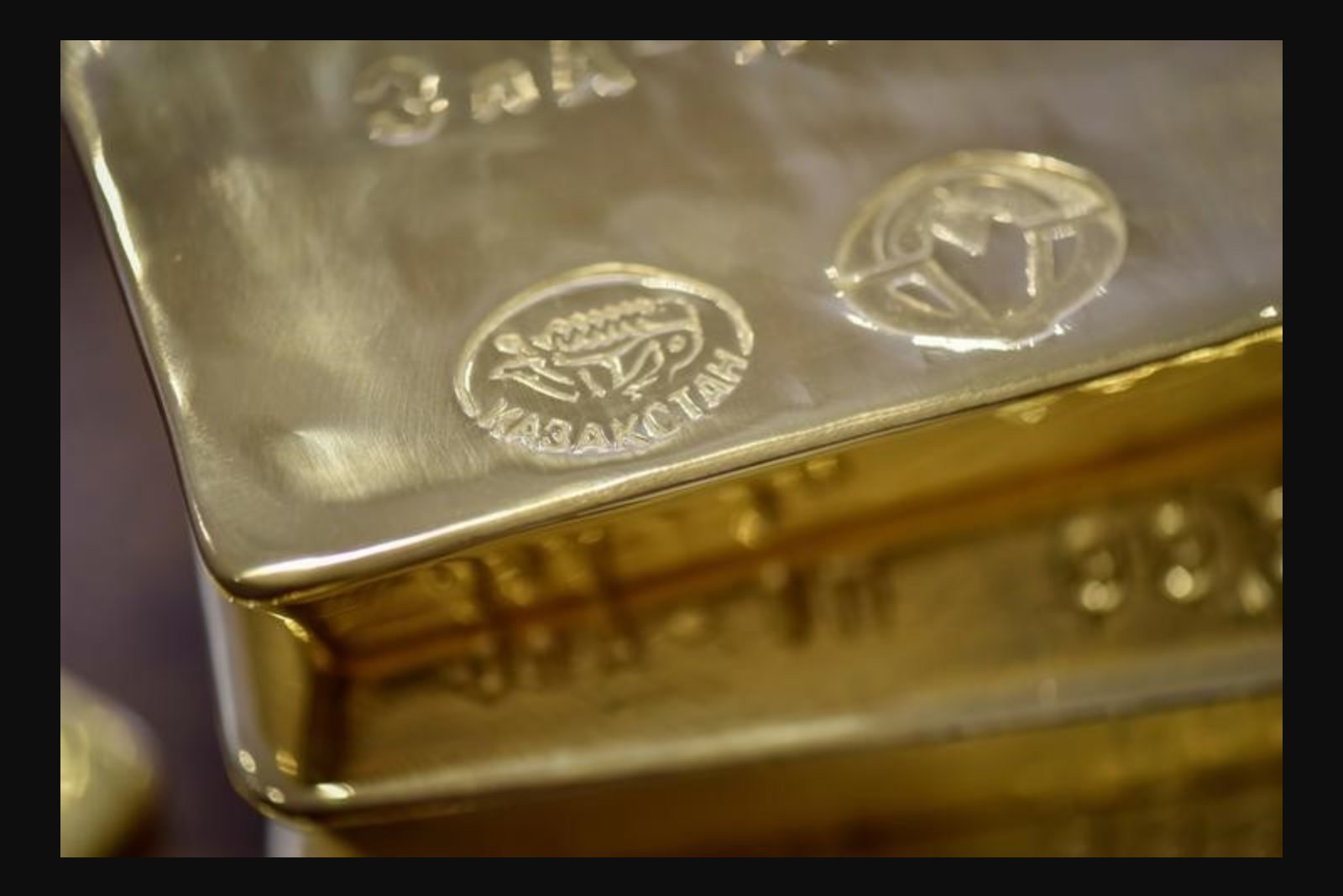
Gold prices were largely steady in early Asian trade on Thursday as market participants focused on incoming U.S. labor data for fresh guidance on interest-rate policy. The metal remained just above its lowest levels of the year following its deepest quarterly fall in 13 years during the June quarter.
By 20:40 ET (00:40 GMT), spot gold had gained 0.3% to $4,043.23 an ounce. At the same time, gold futures were down 0.7% at $4,054.67 per ounce.
Although bullion recovered after briefly slipping below $4,000 per ounce on Wednesday, upward momentum was limited by persistent concern about higher U.S. interest rates. Comments from Federal Reserve Chair Kevin Warsh on Wednesday reinforced that caution: he signaled the Fed will adhere firmly to its 2% inflation target and would defy expectations for looser monetary policy.
Warsh's remarks were read by market participants as reflecting a more hawkish tilt at the central bank, a stance that has put downward pressure on gold through recent months. Traders are now pricing in at least one rate hike by the Fed in 2026, reflecting mounting anxiety over sticky U.S. inflation.
Inflation pressures have been amplified in part by energy, which drove sharp increases over the past three months. While energy prices have cooled since that run-up, markets remain sensitive to persistent inflation risks. Rising chip prices are also cited as another force that could sustain price pressures.
All eyes were on the June nonfarm payrolls report, scheduled for later on Thursday. The data are expected to be factored into the Fed's interest-rate deliberations, since labor-market strength and inflation readings are the central bank's two principal considerations when shaping policy.
Other precious metals were steady on Thursday after deep quarterly losses in the June quarter. Spot silver rose 0.2% to $59.2600 per ounce, while spot platinum was up 0.1% at $1,582.94 per ounce.
Short-term market direction appears tied closely to incoming U.S. economic data and the Fed's response to inflation dynamics. Until those signals become clearer, gold and related assets may continue to trade with limited upside, anchored by expectations for tighter monetary policy.