
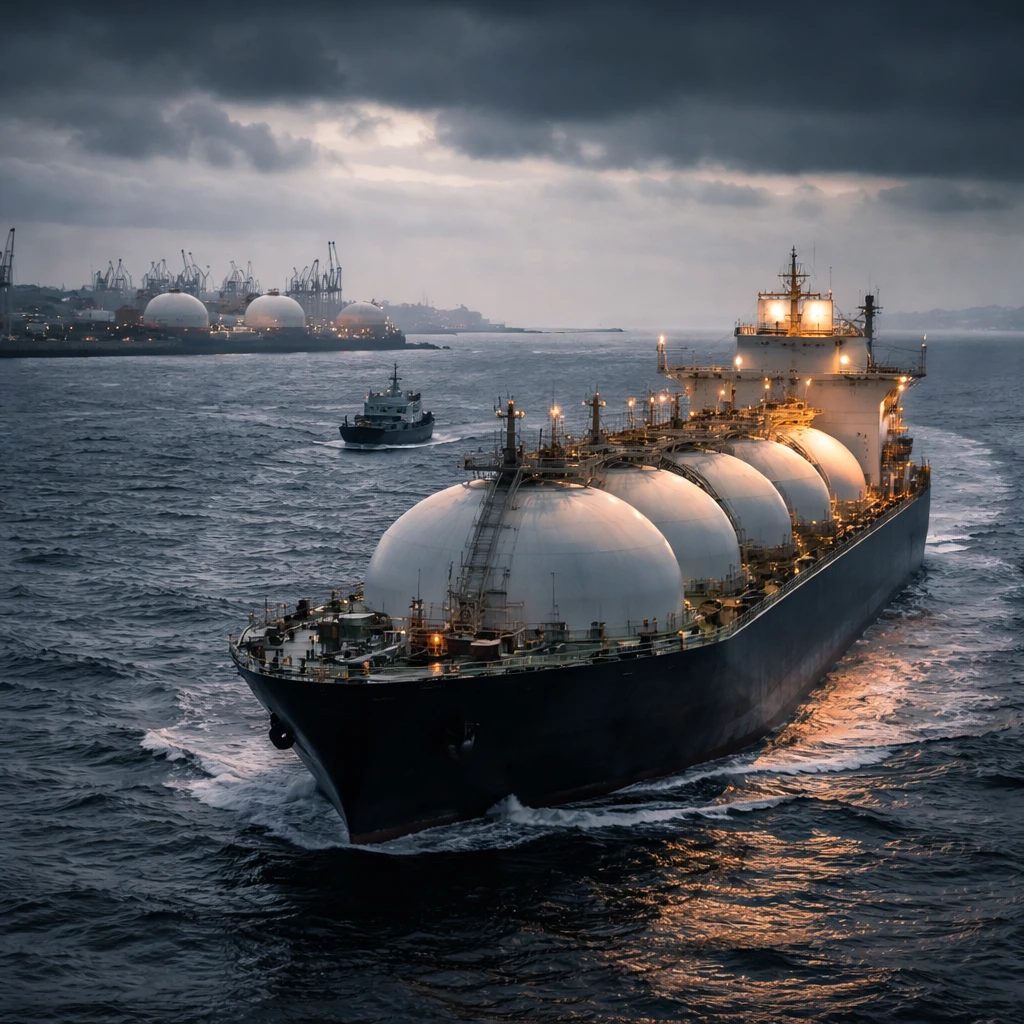
European wholesale natural gas prices moderated on Thursday, stepping back from near one-month highs as trading calmed after a period of intense volatility tied to geopolitical developments in the Middle East.
The benchmark Dutch front-month contract slipped 0.8% to trade near 48.5 per megawatt-hour, easing from Wednesday’s jump to the highest level recorded since mid-June. The United Kingdom’s wholesale gas contract remained essentially unchanged at 116.86 pence per therm, after retreating from a multi-week peak hit during the previous session’s global energy selloff.
A market weary of repeated shocks
Traders and buyers in Europe are confronting a growing fatigue after a string of fragile truces and abrupt geopolitical reversals. Just weeks after the June 17 memorandum of understanding between Washington and Tehran had raised hopes for a more stable transit environment through the Strait of Hormuz - the sea lane that handles roughly 20% of global liquefied natural gas (LNG) shipments - those expectations unraveled.
On Wednesday, U.S. President Donald Trump declared the hard-fought interim agreement "over," and the announcement was followed by a second consecutive day of U.S. air strikes said to be aimed at defending the maritime chokepoint against Iranian retaliation. The sequence of events has reintroduced an acute physical risk to LNG shipments transiting the Persian Gulf.
For European gas purchasers, the quick collapse of the interim deal is a stark reminder of the continent’s structural dependence on global LNG to compensate for the loss of Russian pipeline volumes. With continental storage slightly below seasonal historical averages, the renewed threat to Qatari LNG vessels moving through the Persian Gulf has reinstated concerns about potential supply disruptions as market participants approach the pre-winter stock-building phase.
Broader economic and policy implications
The immediate effects of the gas-price roller coaster extend beyond utility balance sheets. The recent uptick in global energy feedstocks - where crude oil and natural gas have moved in tandem - has revived macroeconomic anxieties across Europe. A sharp rise in wholesale gas costs risks feeding through to industrial input costs and consumer electricity bills, potentially complicating central banks’ efforts to claim victory over inflation.
Market participants are now navigating a landscape where short-term geopolitical developments can rapidly reshape seasonal supply expectations and influence policy debates over inflation and energy security.