
Oil markets led the story over the past 24 hours, with Brent crude trading below $100 per barrel early on Wednesday after dropping beneath that threshold the previous day amid a flurry of diplomatic activity at the United Nations General Assembly in New York.
Reports of behind-the-scenes meetings in New York helped sap momentum from the recent oil rally. US and Iranian officials reportedly held talks mediated by Qatar on Tuesday. Those discussions followed earlier accounts suggesting Tehran had signalled a willingness to reopen the Strait of Hormuz within seven days if the United States lifted shipping and economic blockades.
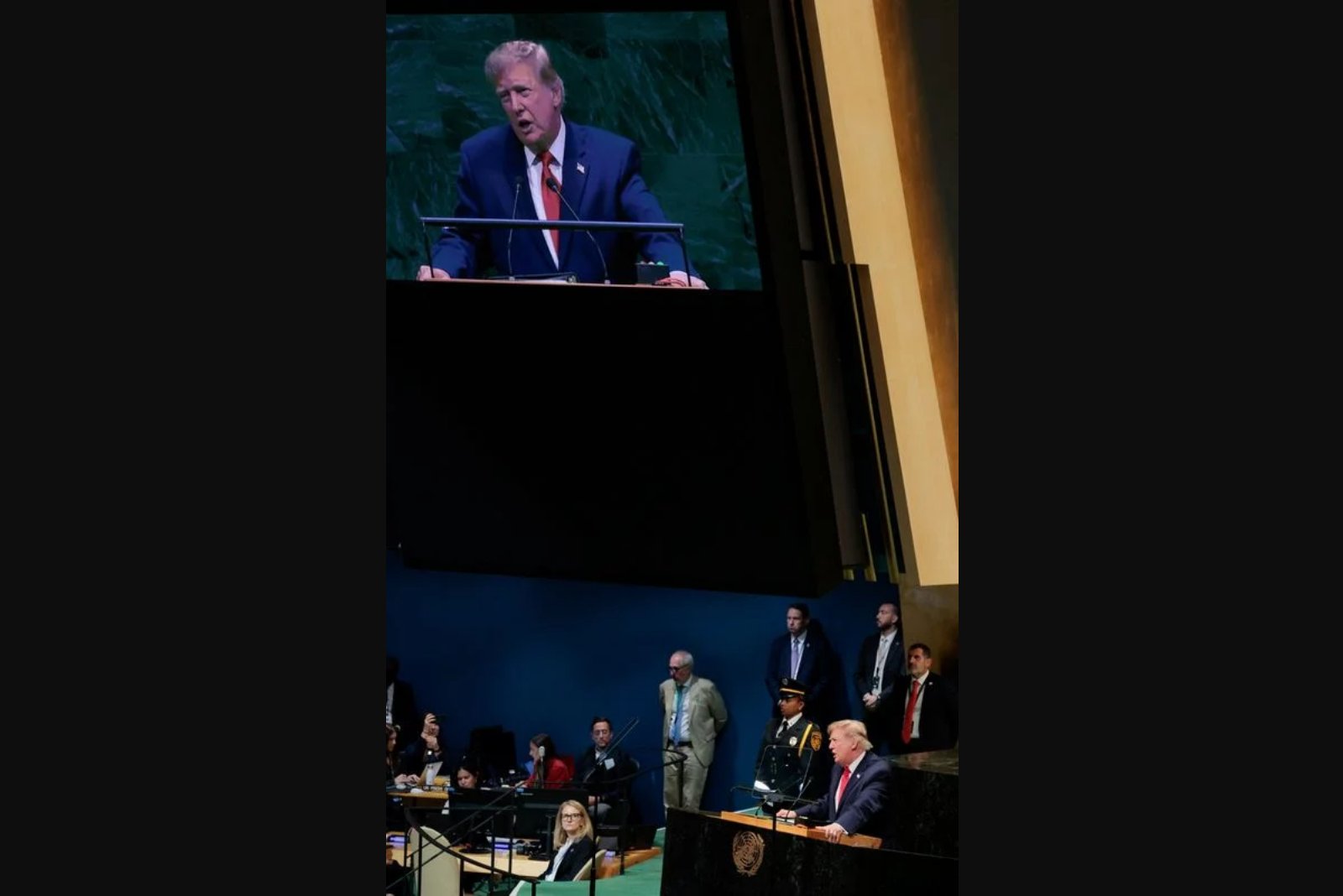
Iranian President Masoud Pezeshkian was scheduled to address the General Assembly on Wednesday, and there remained some hope that a meeting could take place between him and President Trump. On the podium, President Trump reiterated a hard line - warning he could annihilate the Iranian government over its nuclear ambitions and its control over strategic energy routes - while also saying he remained open to talks.
Traders also absorbed news that Saudi Arabia planned to bring its East-West Pipeline back into operation on Tuesday, a development markets had not expected for several more weeks and which contributed to the softer tone in oil prices.
Beyond energy, equity markets reflected a mixed backdrop. Renewed optimism around artificial intelligence buoyed chip stocks, with the SOX semiconductor index rising about 2% on Tuesday. In fixed income, investor appetite for high-yield paper was highlighted by strong demand for a $10 billion bond sale from SoftBank, a deal described as likely to become the largest junk bond transaction on record.
Global stocks and US futures opened mostly flat on Wednesday, while attention shifted toward a scheduled US-China summit the following day. Interest rate markets were relatively calm overall, even as sovereign bond yields edged higher after a string of Federal Reserve officials signalled impatience in returning inflation to target.
The economic calendar for the day included a range of early-September business surveys from around the world, which market participants were watching for further signs on activity and pricing pressures.
Political backdrop and polling data
Political developments weighed on investor sentiment as well. A recent Reuters/Ipsos poll cited in market commentary showed President Trump’s public approval rating at 32% - described as the lowest of his political career and lower than equivalent ratings for his predecessor. The poll, fielded last week, indicated approval of Trump’s handling of the economy had fallen to as low as 23%, while approval for his management of the cost of living came in at 17%.
The poll also showed a notable split among Republicans: for the first time, more Republicans disapproved than approved of Trump’s handling of the cost of living, with disapproval at 51% versus 44% approval. Those political readings were referenced as part of broader market context heading into the US midterm elections, which Trump said would not constrain his actions.
Events to watch
- US S&P Global flash PMIs for September (9:45 a.m. EDT)
- US 5-year note auction (1 p.m. EDT)
- Speech by Fed official Michael Barr
- Japanese financial markets closed for a holiday, returning the following day
Investors were also being urged to follow daily market analysis and related podcast coverage examining developments from the UN General Assembly and other market-moving events.
The near-term market picture was thus shaped by a combination of diplomatic overtures that weakened immediate oil price pressures, signs of improved supply from Saudi pipeline activity, strong demand in credit markets for large high-yield issuance, and continuing political uncertainty in the United States reflected in opinion polls. Together, those forces left markets balanced between risk-on impulses in technology and credit and caution around the geopolitical and macroeconomic outlook.