
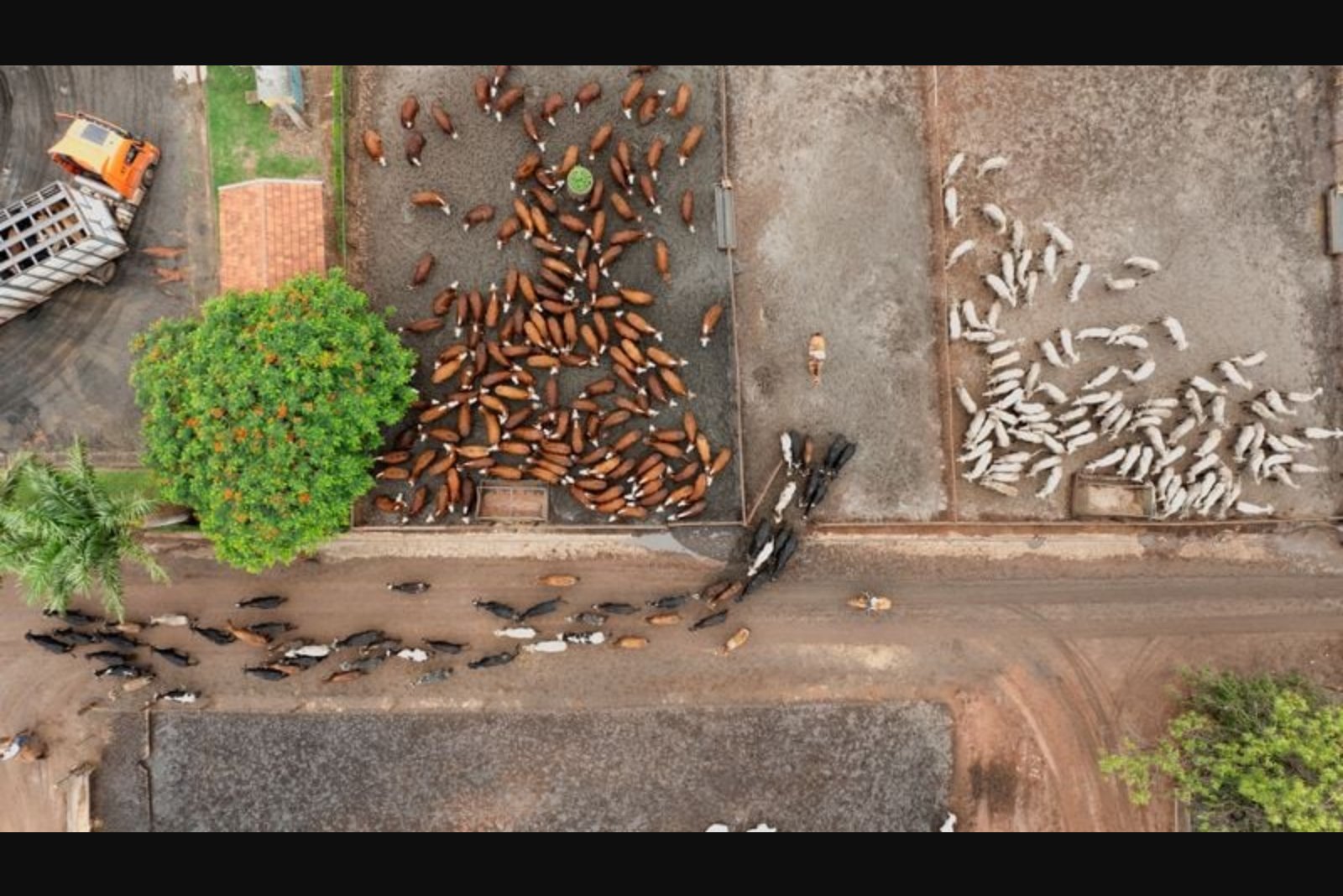
Summary: Brazilian President Luiz Inacio Lula da Silva said on Monday that Uruguay has authorized Brazil to make use of the surplus from Uruguay’s beef export quota to China. Lula communicated the development on the social network X after meeting Uruguay’s head of state, Yamandu Orsi, in New York. The statement arrives amid Chinese tariff measures on out-of-quota beef and projections that Brazilian beef exports will decline next year.
Lula conveyed gratitude for the authorization in a post on X, writing: "I expressed my gratitude for the authorization granted to Brazil to use the surplus from Uruguay’s beef export quota to China." The announcement followed their bilateral meeting in New York. Uruguay’s foreign ministry had not immediately responded to a request for comment, according to statements reported after the meeting.
The timing coincides with Beijing’s decision earlier this year to apply an additional 55% tariff on beef shipments that exceed allocated quota levels from several key suppliers, including Brazil. That tariff regime is intended to protect China’s domestic cattle sector, and it affects the economics of shipments that surpass quota allowances.
Quota utilization by Brazil had been high going into midyear. A July report from StoneX noted that, from November through June, Brazil had shipped 98.5% of its 1.1 million metric ton quota to China and projected the quota would be fully used by August. Separately, Brazil’s industry association Abiec estimated earlier this year that total Brazilian beef export volumes are expected to fall 10% year-on-year in 2026, citing constraints from Chinese measures and a recent curb on shipments to the European Union.
Policy decisions and quota management now intersect with commercial flows for Brazilian exporters. The authorization to use Uruguay’s surplus could provide additional headroom for shipments to China that might otherwise face the higher out-of-quota tariff, though details on implementation and any formal notifications from Uruguayan authorities were not available at the time of Lula’s statement.
This development will be watched by participants across the beef supply chain, from ranchers and processors in Brazil and Uruguay to trade desks handling shipments to China, as well as by policymakers monitoring bilateral export arrangements and tariff compliance.