
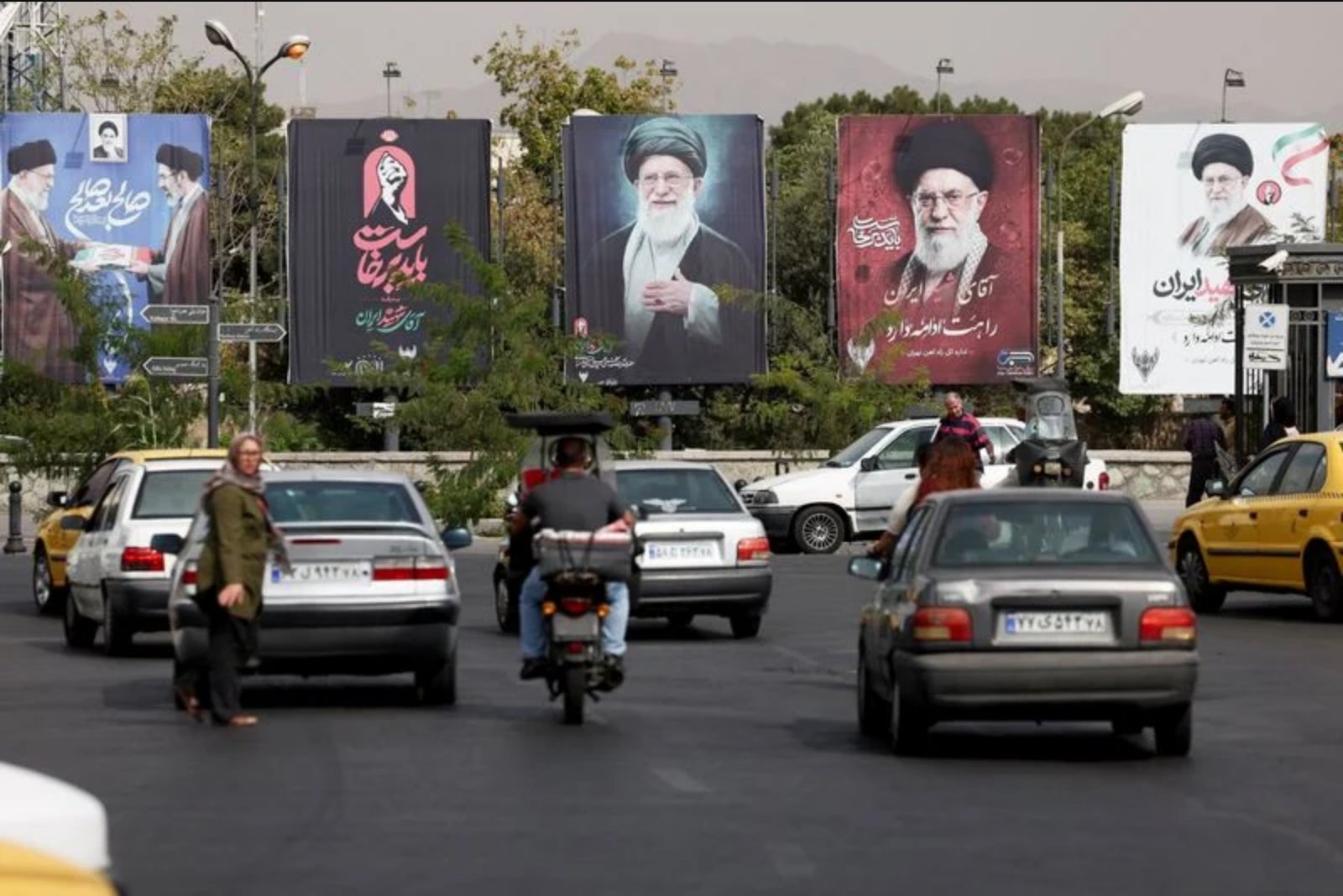
LONDON, Sep 2 - The United States carried out a new set of attacks on Iran late on Tuesday, six months into a stalemated conflict. Iranian forces responded with missile strikes that they said targeted U.S. assets in Jordan, Bahrain, Kuwait and Iraq. With the confrontation now active again, Tehran has a number of retaliatory options available if hostilities escalate further or if a U.S.-led campaign aims to tighten economic pressure on Iran.
Expanded strikes on Gulf states and regional infrastructure
Iran has repeatedly launched attacks against neighbouring states in reaction to U.S. strikes and has warned it will hit back against any countries that participate in efforts to economically asphyxiate Tehran with "earthquake" force. Since the conflict began on February 28, Iranian forces have struck Gulf states and Jordan on multiple occasions, typically focusing on U.S. bases but also targeting energy infrastructure and other facilities.
An intensification of such strikes that specifically hit upstream oil or gas installations could raise global energy prices and create political fallout for the U.S. administration, a dynamic the Iranian leadership has invoked in its threats. In the hot, arid Gulf region, attacks on power plants or desalination facilities would present a major threat to U.S.-aligned monarchies that serve as important financial centres for the global economy.
Measures to curb oil exports from the region
One of Tehran's recurring strategic threats throughout the conflict has been to close oil export routes. Mohsen Rezaei, the former Revolutionary Guards chief and secretary of Iran's Supreme National Security Council, has warned that if the economic war continues, not a single drop of oil will be exported through the Strait of Hormuz or from anywhere in the Persian Gulf.
Iranian operations and associated threats have already halted most traffic through the Strait of Hormuz, a waterway that before the conflict carried roughly one-fifth of the world's energy supplies. Although some tankers have transited the strait in recent weeks, overall volumes remain very low. Repeated missile, drone and speedboat attacks on tankers attempting to exit the Gulf have periodically pushed crude prices higher during the six months of confrontation.
Separately, Tehran's Houthi allies have been restricting shipping in the Red Sea with strikes and threats to blockade all Saudi Arabian shipping that moves crude to Asia via the Bab el-Mandeb strait, adjacent to the group's Yemeni stronghold. While these attacks initially stopped only some vessels, with more than half still passing through in mid-August, the situation has complicated shipping decisions. Industry sources report that Chinese shipping companies are rerouting away from Bab el-Mandeb. Further incidents - such as the strike on a vessel off the main Saudi Red Sea oil terminal at Yanbu last week or a drone attack near the Suez Canal in early August - have heightened oil-market anxiety and could lift crude prices again.
Direct or indirect attacks on Western targets
Although Western nations lie beyond the reach of Iran's principal conventional munitions, the Islamic Revolutionary Guard Corps has historically sought alternative methods to strike distant targets. British authorities have said Iran-linked hackers disabled a small electricity station, and U.S. officials have attributed cyber attacks on water plants in Minnesota to Tehran - allegations to which Iran has not publicly responded.
Western security services have also accused Iran of recruiting local actors to carry out attacks or attempted assassinations on foreign soil; Iran has denied these claims. These patterns indicate that, in addition to kinetic operations within the region, Tehran could employ cyber operations or proxy networks if it seeks to retaliate against Western states or their interests.
Outlook and immediate implications
The recent resumption of open hostilities underscores the array of options Iran could pursue as the confrontation with the United States unfolds. The possible lines of retaliation - expanded strikes on Gulf states and energy infrastructure, efforts to choke oil exports, and non-kinetic operations targeting Western countries - each carry the potential to disrupt energy markets, shipping routes and regional security. How Tehran chooses to respond will depend on developments in the coming days and any escalation in U.S. economic or military pressure.