
U.S. Deputy Secretary of State Christopher Landau said on Tuesday that he had spoken with Bolivian President Rodrigo Paz and is highly concerned about growing instability in Bolivia, where widespread protests against government austerity measures have intensified.
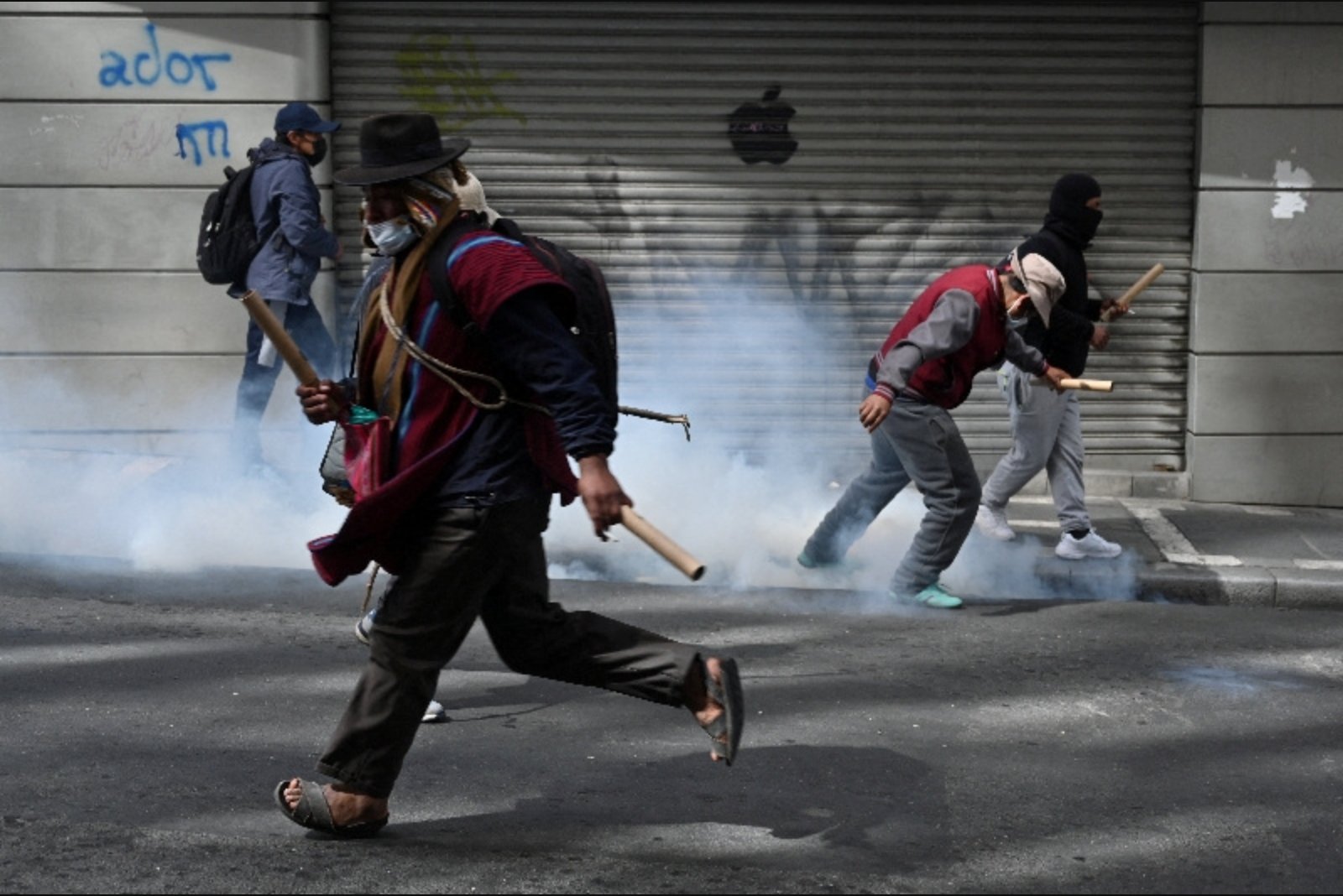
What began earlier in May as strikes has swelled into a nationwide movement that now includes labor unions, miners, transport workers and rural groups. Protesters are pressing the government to reverse austerity policies and to take steps to blunt rising costs of living. Some demonstrators have also called for President Paz to step down.
Addressing the Americas Society/Council of the Americas, Landau expressed his expectation that other South American countries would join in rejecting what he described as a coup that could put democratically elected governments at risk. He said he hopes regional partners will repudiate the forces he sees behind the unrest.
"I am very concerned about Bolivia," Landau said, recounting his conversation with Paz. "I mean, it cannot be that, you know, you have a democratic process where he was elected overwhelmingly by the Bolivian people less than a year ago and now you have violent demonstrators blockading the streets."
"Make no mistake about it. This is a coup that’s being financed by this unholy alliance between politics and organized crime throughout the region," he added.
Landau further stated that the Trump administration was working to prevent anti-government, anti-institutional forces from prevailing. "I would hate to see, you know, this very promising opening go down the drain," he said, later adding, "It’s bad for all the countries in the Americas to see this kind of incivility."
Amid the escalating unrest, several Bolivian banks temporarily closed branches in La Paz on Tuesday, citing security concerns. The closures occurred as demonstrations continued to target the administration that took office in November, ending nearly two decades of leftist rule.
The situation remains fluid as broad-based social actors sustain pressure on the government over austerity and economic conditions. U.S. officials are publicly voicing concern and calling for regional responses to what they describe as a threat to democratic governance.