
World April 15, 2026 02:38 PM

Moscow Says European Drone Supply Plans Deepen Involvement in Ukraine Conflict

Defence ministry publishes list of European manufacturing sites it alleges supply drones and components to Kyiv; senior Russian official calls list potential targets

By Derek Hwang
Moscow Says European Drone Supply Plans Deepen Involvement in Ukraine Conflict

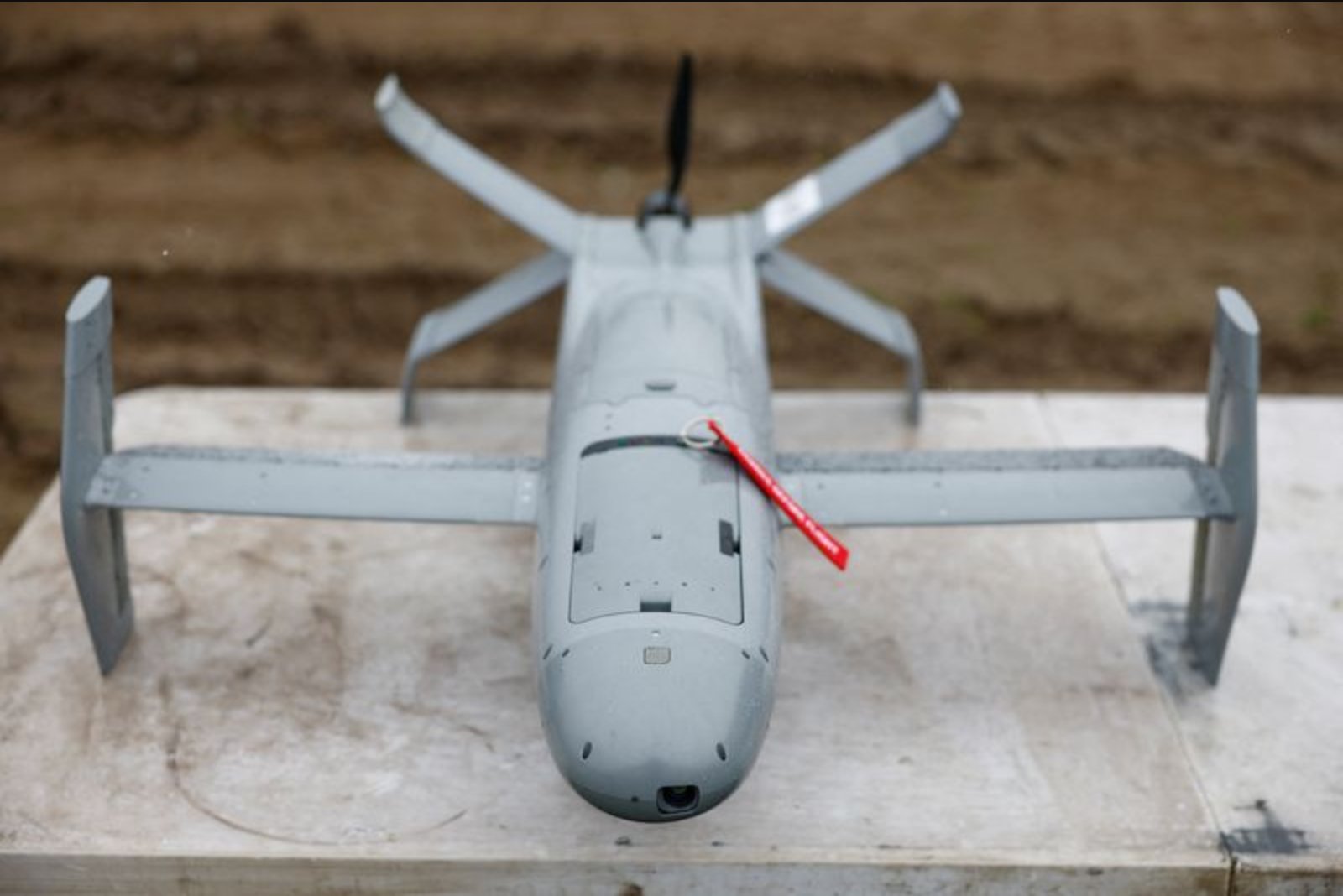
Russia's defence ministry said on April 15 that moves by several European governments to boost production and transfer of drones to Ukraine represent an escalation that draws those countries further into the conflict. The ministry published a list, with addresses, of factories and enterprises it alleges manufacture unmanned aerial vehicles (UAVs) or components in multiple countries. A senior Russian security official described the list as potential targets for Russia's armed forces.

Key Points

  • Russia's defence ministry says plans by several European governments to increase drone production and supplies to Ukraine amount to an escalation of the conflict.
  • The ministry published a list with addresses of factories and enterprises it alleges manufacture drones or drone components in countries including Britain, Germany, Spain, Italy, Israel and Poland.
  • Dmitry Medvedev described the published list as a catalogue of potential targets for Russia's armed forces; Russian officials' statements have been widely perceived as warnings rather than explicit announcements of immediate strikes.

MOSCOW, April 15 - Russia's defence ministry warned on April 15 that planned increases in drone supplies from European countries to Ukraine are dragging those governments deeper into the conflict with Russia. The ministry said it had reasons to believe a number of EU governments have decided to increase the production and delivery of drones to Ukrainian forces, a development Moscow described as contributing to an escalation of hostilities.

Alongside its statement, the ministry published a list of factories and enterprises it alleges are engaged in the manufacture of drones or drone components, and provided addresses for the facilities. The list includes sites in Britain, Germany, Spain, Italy, Israel and Poland, among other countries.

The defence ministry framed the publication as a disclosure intended for the European public, saying citizens should have clarity about what it termed the true causes of threats to their security, and should be informed of the locations of Ukrainian and joint enterprises producing UAVs and components on their own soil.

"The European public should not only have a clear understanding of the true causes of the threats to their security, but also be aware of the addresses and locations of Ukrainian and joint enterprises producing UAVs and components for Ukraine within their own countries," the ministry said.

Shortly after the defence ministry released the list, Dmitry Medvedev, the former Russian president who now serves as deputy chair of Russia's Security Council, posted on X that the list amounted to potential targets for Russia's armed forces. He wrote that when strikes might occur would depend on subsequent developments and added: "When strikes become a reality depends on what comes next. Sleep well, European partners!"

Russian officials, including Medvedev, have on multiple occasions made public remarks that have been perceived as threats to European states over their support for Ukraine. The article notes that those remarks have typically taken the form of warnings or veiled hints rather than explicit declarations of imminent strikes.

The statements and the publication of specific facility addresses highlight Moscow's framing of increased drone production and transfers as an escalation and underscore the tensions between Russia and European governments providing material support to Ukraine.

Risks

  • Escalation risk: Moscow regards increased drone production and transfers to Ukraine as an escalation that could deepen European involvement in the conflict - this affects defence and aerospace sectors.
  • Targeting risk: Publication of facility addresses as alleged drone suppliers raises the possibility those sites could be viewed as potential targets, creating uncertainty for manufacturing, logistics and supply-chain operations in the affected countries.
  • Political and market uncertainty: Public statements framed as warnings by senior Russian officials may increase geopolitical risk perceptions, with potential implications for defence procurement decisions and investor sentiment in sectors linked to security and military supply chains.

More from World

Tehran Signals Possible Safe Passage for Vessels on Omani Side of Hormuz in U.S. Talks Apr 15, 2026 DHS Shutdown Slows World Cup Security Planning, Official Tells Senate Apr 15, 2026 Ukraine Deploys Integrated Drone-Infantry Combat Model, Cites Territorial Gains in the South Apr 15, 2026 U.S. UN Envoy Signals Concerns About Bachelet’s Suitability for Secretary-General Role Apr 15, 2026 Netanyahu: Israeli Forces Press Hezbollah Stronghold as Lebanon Talks Continue Apr 15, 2026