
The World Bank, joined by other leading development lenders, announced a global initiative called Water Forward aimed at expanding secure water access at scale. The programme's stated objective is to improve reliable water services for more than 1 billion people within the next four years by combining public resources with private capital and philanthropic funding.
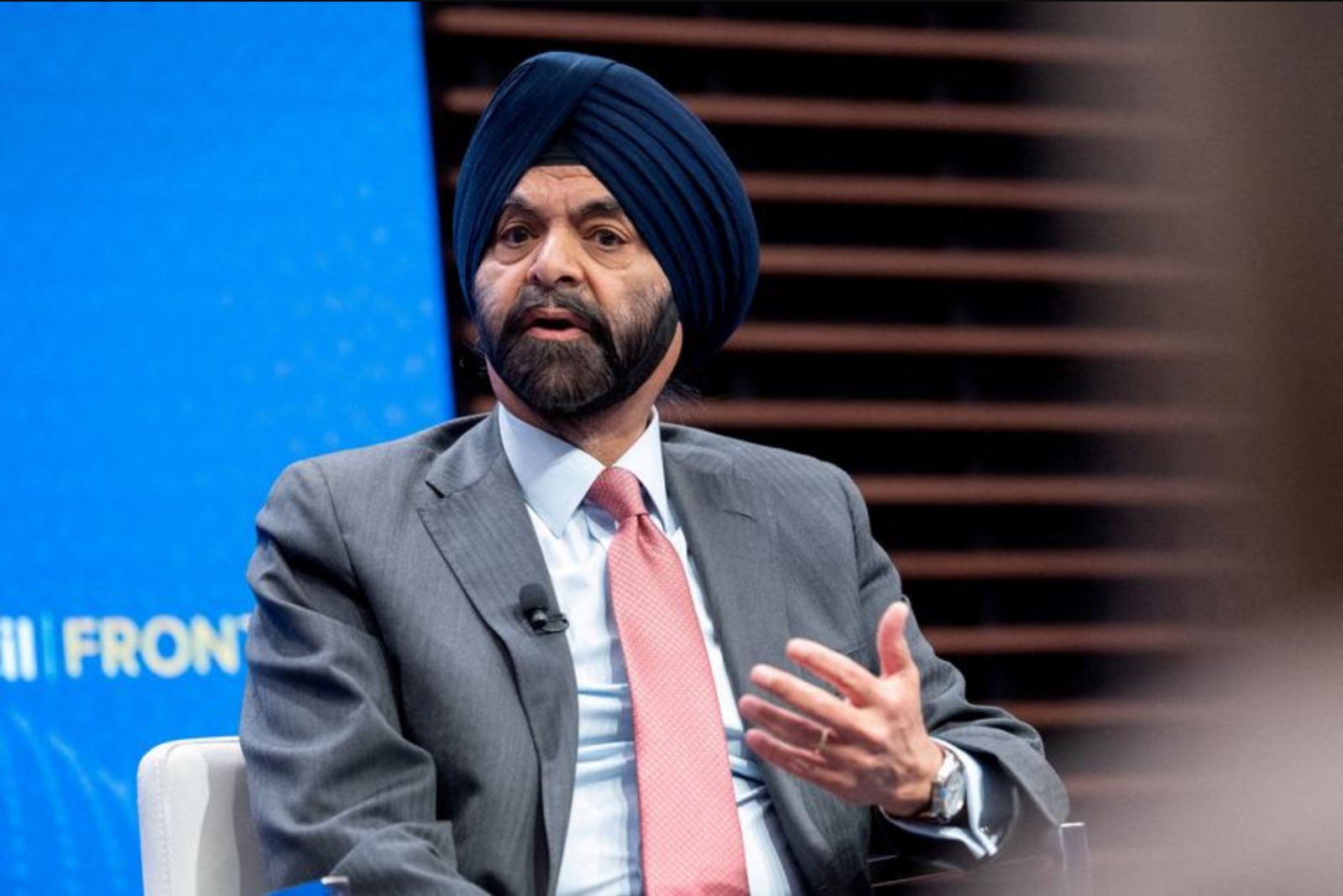
World Bank president Ajay Banga said, "Water is foundational to how economies function," and emphasised that the immediate priority is to "deliver reliable water services at scale." The programme is intended to shift how governments treat water - moving away from viewing it as a low-cost public utility toward treating it as a strategic economic asset that warrants sustained investment and rigorous management.
Water Forward responds to projections that global demand for freshwater could exceed available supply by as much as 40% by the end of the decade. The World Bank says water-related shocks are already eroding growth in some countries by several percentage points of annual economic output. Climate change is intensifying both droughts and floods, the bank added, creating mounting fiscal pressure on governments and heightening vulnerability among communities in rapidly expanding urban centres.
According to figures cited by the World Bank, more than 2.1 billion people currently lack access to safe drinking water, and upwards of 3.4 billion people live without adequate sanitation. The bank also estimates that roughly 4 billion people experience water scarcity driven by a mix of unclear policy frameworks, weak regulatory systems and utilities that are not financially sustainable.
Implementation will start in 14 countries identified as water-stressed across Africa, the Middle East and South Asia. Water Forward will concentrate on a set of project types designed to address both supply and system efficiency issues. Priority actions include reducing leakage in urban distribution networks, modernising irrigation systems for agriculture, expanding wastewater reuse, and strengthening data-driven planning to guide investments and operations.
The initiative has drawn participation from several other development finance institutions, including the European Investment Bank, the Asian Development Bank, the Inter-American Development Bank and the New Development Bank. The World Bank noted that its commitment under the initiative is to achieve water security for 400 million people by 2030. It further said that when combined with additional commitments from partner institutions, the Water Forward programme's reach would extend to more than 1 billion people.
Programme focus areas
- Urban leakage reduction and distribution efficiency
- Modernisation of agricultural irrigation
- Wastewater reuse and resource recovery
- Expanded use of data for planning and operations