
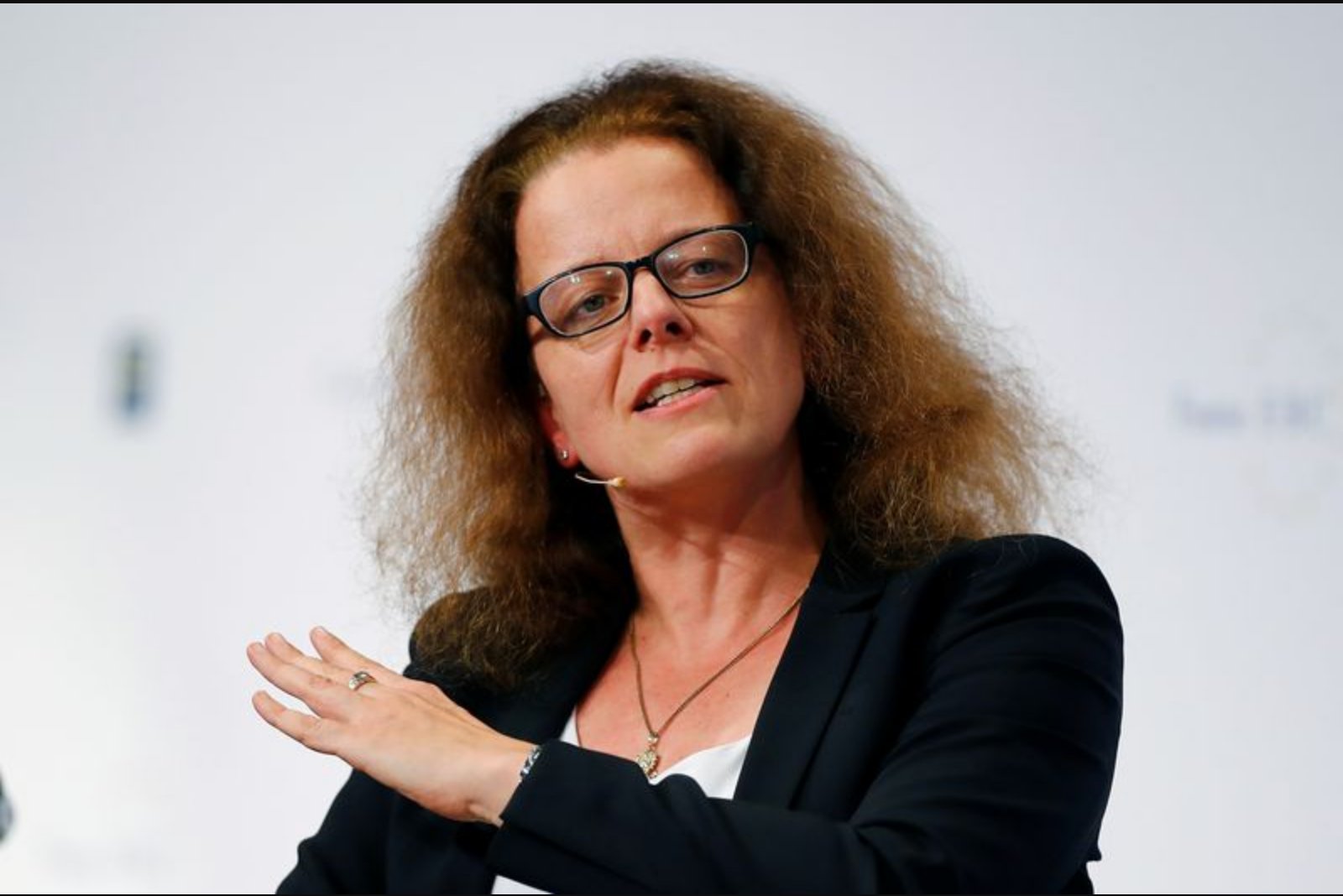
European Central Bank board member Isabel Schnabel said the central bank currently stands in a "relatively favorable" position on monetary policy after it had succeeded in lowering inflation to 2% before the recent war in the Middle East began.
Speaking during a panel at the Institute of International Finance in Washington, Schnabel described the ECB's stance as "broadly neutral," adding that this gives policymakers room to "take the time that is needed to analyze the character of this shock." She said, "We do not need to rush into action."
Schnabel characterized the present energy shock as especially challenging because it has arrived after a prolonged period of inflation that exceeded the target. That history, she said, has left public memories of high inflation "very fresh" and has made inflation expectations more fragile.
She emphasized that the euro zone's position as a net energy importer complicates the outlook. Rising fuel prices could weaken economic activity in the region, the board member said, and that weakening may make it more difficult for companies to pass higher costs through to consumers or for workers to secure larger wage increases.
On the policy side, Schnabel urged careful judgment. "We have to weigh our policy decisions very carefully and see which ... prevails," she said, arguing the ECB must remain data-dependent. She noted the importance of determining which indicators might signal that inflation is becoming entrenched and whether there are risks of second-round effects.
At the same time, she warned against acting too quickly. The ECB should avoid imposing an "unnecessary cost" on the economy through premature monetary tightening, Schnabel added.
The comments underline a cautious approach by a senior policymaker who sees both upside risks to inflation persistence and downside risks to the economy from higher energy costs, and who counsels patience while monitoring incoming data closely.