
Ukraine’s military says it has begun deploying a new operational model that tightly integrates drone capabilities with ground infantry maneuvers, and it cites tangible results in the south of the country. In a concise Telegram statement, the Defence Ministry described the establishment of "drone-assault units that combine aerial and ground unmanned systems with infantry into a single integrated system," and credited the approach with producing recent territorial recoveries.
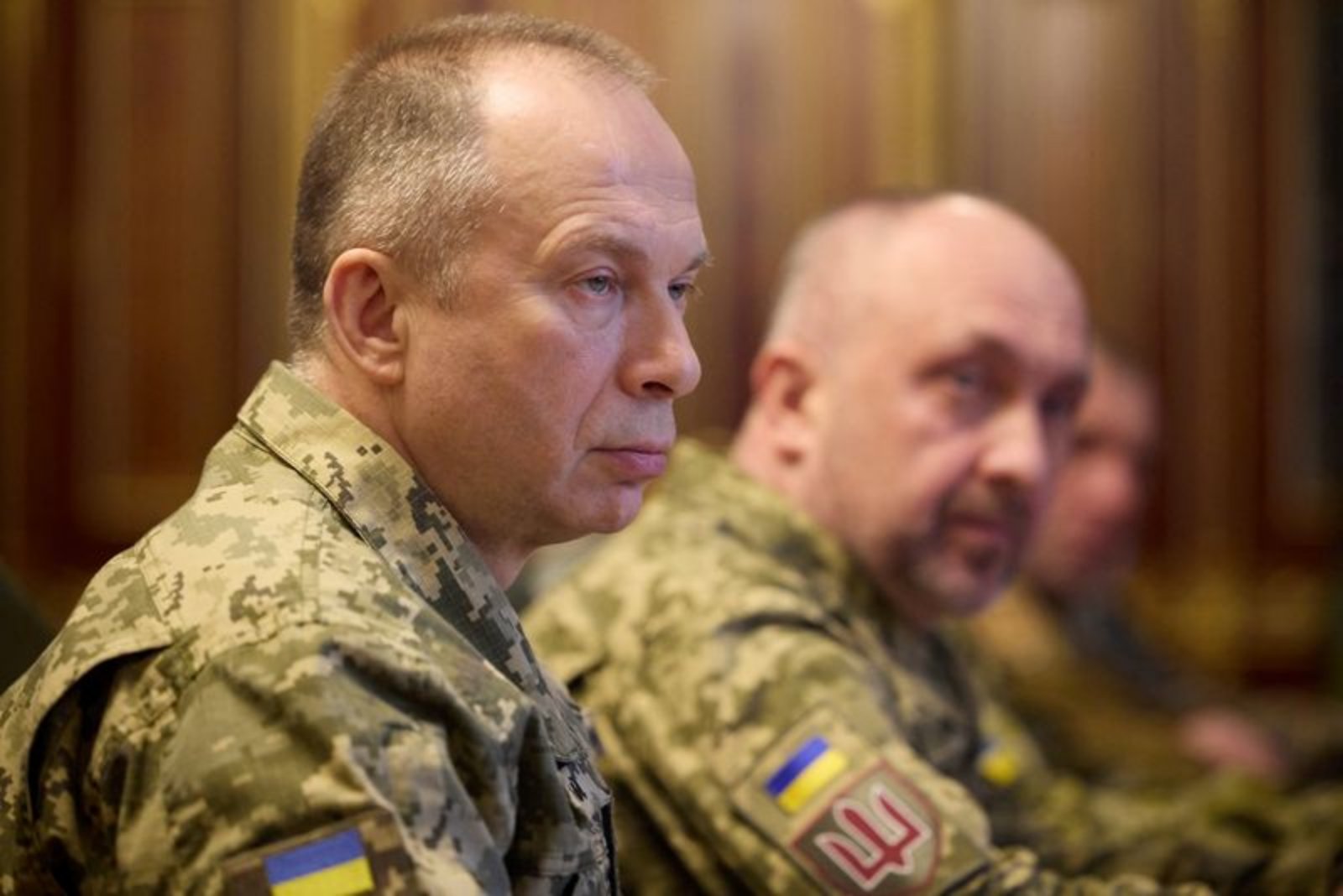
Top commander Oleksandr Syrskyi provided additional figures and situational detail in a separate Telegram post, saying Kyiv’s forces regained control of nearly 50 sq km (19 sq miles) from Russian forces during March. He framed that gain as part of a continuing trend, building on advances made earlier in the year.
Drones have assumed a central role in the four-year conflict between Kyiv and Moscow, and both Ukraine and Russia have allocated resources to improving drone interception and bolstering air defences. The Defence Ministry said the new formation - which pairs aerial and ground unmanned systems with infantry - has already yielded results in southern areas, noting that since February a substantial area has been liberated "precisely thanks to the use of these advanced units."
Syrskyi also flagged a broader escalation of operations as spring weather improved. He said Russian forces have intensified offensive efforts along nearly the whole 1,200 km (775-mile) front line. Among the most heavily contested locations in March, he listed the area surrounding the embattled eastern city of Pokrovsk, which Moscow has been trying to capture fully since mid-2024.
He identified several sectors as the most active fighting zones during the month, naming Oleksandrivka, Kostiantynivka and Lyman in the southeast and east as "the hottest" spots. Military analysts, Syrskyi noted, view Ukrainian counterattacks in the southeast as disrupting Russian operations around Pokrovsk and impeding the wider Russian spring offensive.
Earlier updates from Ukrainian leadership put the recent gains into a larger timeframe: Syrskyi said last week that Ukraine has recovered control of 480 sq km since late January, while President Volodymyr Zelenskiy described the frontline this month as the best position for Ukraine since the middle of last year.
On the Russian side, forces have continued a gradual advance in eastern Donetsk region, periodically announcing the capture of new villages. The Russian Defence Ministry reported on Wednesday it had taken the settlement of Vovchansky Khutory in the northeastern Kharkiv region. Moscow’s military has said it is attempting to establish buffer zones along border regions in Kharkiv and Sumy.
Syrskyi outlined Ukrainian efforts to erode Russia’s offensive capacity through sustained strikes on military, defence-industrial and other targets. He said that in March, Ukraine struck 76 such targets, including 15 facilities in the oil-refining sector.
Those strikes form part of a broader Ukrainian emphasis on hitting ports, refineries and fertiliser plants in Russia in an effort to curb Moscow’s commodity export revenues. The Defence Ministry statement linked intensified Ukrainian targeting of energy and fertiliser infrastructure to rising global prices amid the Iran war, which has elevated the strategic and economic stakes of these facilities.
Key points
- Ukraine is implementing an integrated combat model that combines aerial and ground unmanned systems with infantry into coordinated drone-assault units, and officials say it has yielded territorial recoveries in the south.
- Top commander Oleksandr Syrskyi reported roughly 50 sq km recaptured in March and broader gains since January, with officials citing 480 sq km reclaimed since late January.
- Escalation of operations is reported across almost the entire 1,200 km front line, with intense fighting around Pokrovsk and in the Oleksandrivka, Kostiantynivka and Lyman sectors; Ukrainian strikes in March targeted 76 military and industrial sites, including 15 oil-refining facilities.
Risks and uncertainties
- Continued escalation along a long front line raises the risk of further intensified combat and territorial contestation - affecting defence and logistics sectors tied to prolonged operations.
- Targeting of oil refining, ports and fertiliser plants could sustain volatility in energy and commodities markets, introducing economic and supply risks for sectors reliant on these facilities.
- Both sides developing drone countermeasures creates uncertainty over the effectiveness and sustainability of current drone-led tactics, with potential implications for defence procurement and air-defence expenditures.
As Ukrainian forces adapt their battlefield model around coordinated unmanned and manned operations, officials point to both tactical gains on the ground and broader strategic pressure applied to Russian revenue-generating infrastructure. The unfolding months will show whether the integrated approach can be sustained amid intensifying seasonal operations and reciprocal investments in countermeasures.