
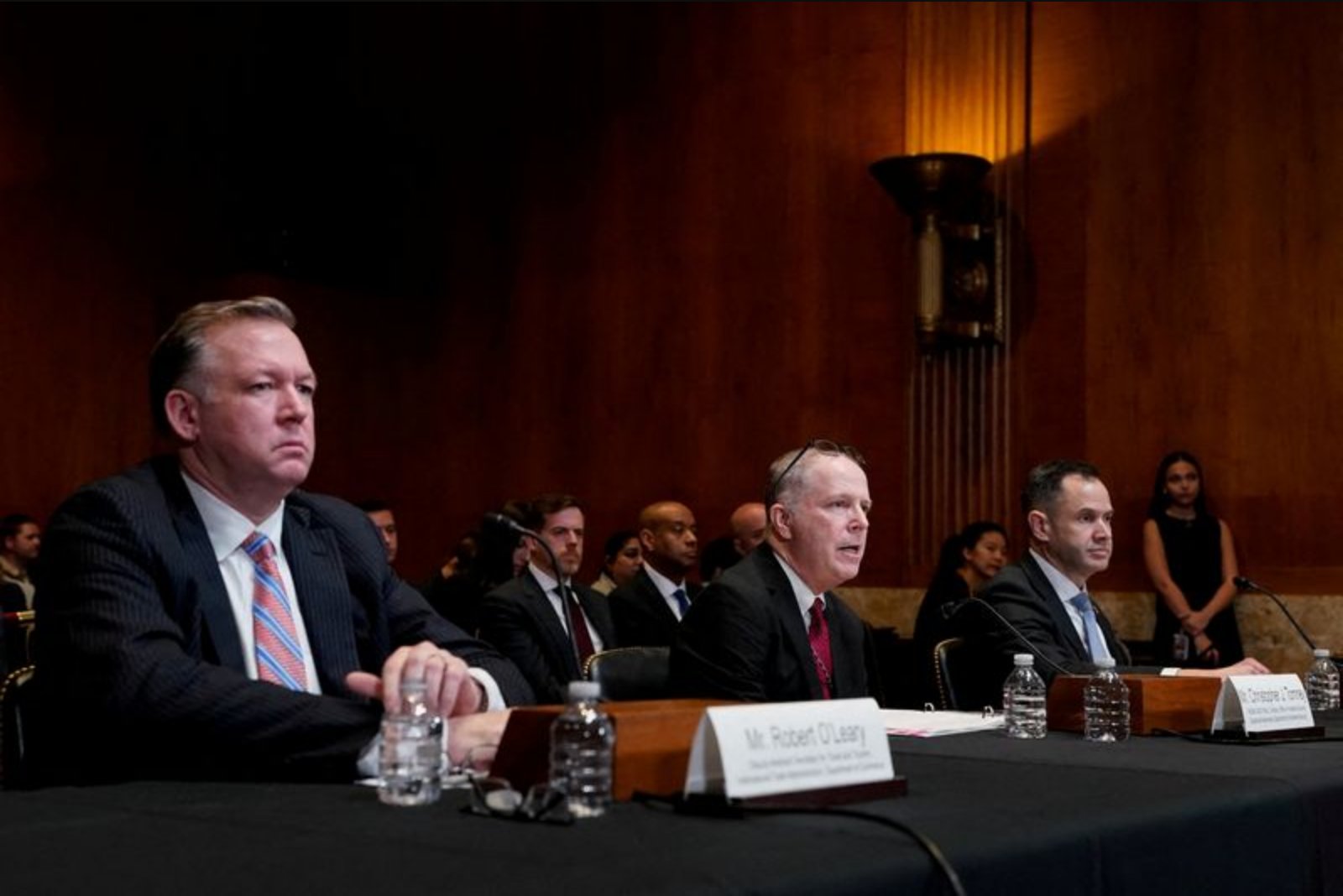
A Department of Homeland Security official told the Senate Appropriations Committee on Wednesday that the agency has now released the full allocation of security funds for the upcoming soccer World Cup, but that the prolonged DHS shutdown has impeded planning and coordination.
Christopher Tomney, director of the DHS Office of Homeland Security Situational Awareness, said in testimony that many planning activities "have been slowed down, have been delayed due to the lapse in appropriations, individuals being furloughed." He described the impact at the hearing as affecting the tempo and effectiveness of preparations for the tournament.
Tomney noted that intelligence briefings reviewed last month warned of the potential for extremists and criminals to target the World Cup, and that officials responsible for the tournament had raised concerns about delays in the allocation of funds that had already been approved.
On funding, Tomney told senators that the Federal Emergency Management Agency has distributed the $625 million set aside for security. "All the funding has been released now. FEMA GO is up and operational," he said, referring to FEMA's grants management system.
The tournament will feature 48 teams and is scheduled for June and July, with matches to be held across the United States, Canada and Mexico. Given the scale and international scope of the event, federal and local coordination is central to security planning.
Tomney outlined one direct operational consequence of the shutdown when asked how it had hampered the department's ability to organize for the event: hundreds of transportation security officers had departed the Transportation Security Administration during the lapse in appropriations. "We just can’t replace that expertise overnight. It has hindered our coordination with state and locals," he said.
The DHS funding lapse has now exceeded two months, Tomney told the committee, with Congress still unable to pass legislation to restore funding in the aftermath of the administration's immigration policy actions. President Donald Trump signed an order earlier this month to ensure pay for every DHS employee during the shutdown.
Tomney's testimony to the Senate underscores a distinction between the release of funds and the practical ability to implement plans that rely on experienced personnel and uninterrupted intergovernmental coordination. While the financial resources are now in place, officials described a measurable slowdown in workstreams that depend on specialized expertise and close collaboration with state and local agencies.