
World April 15, 2026 03:06 PM

Netanyahu: Israeli Forces Press Hezbollah Stronghold as Lebanon Talks Continue

Prime minister says military is reinforcing southern Lebanon while negotiating with Beirut; Iran questions remain unresolved

By Avery Klein
Netanyahu: Israeli Forces Press Hezbollah Stronghold as Lebanon Talks Continue

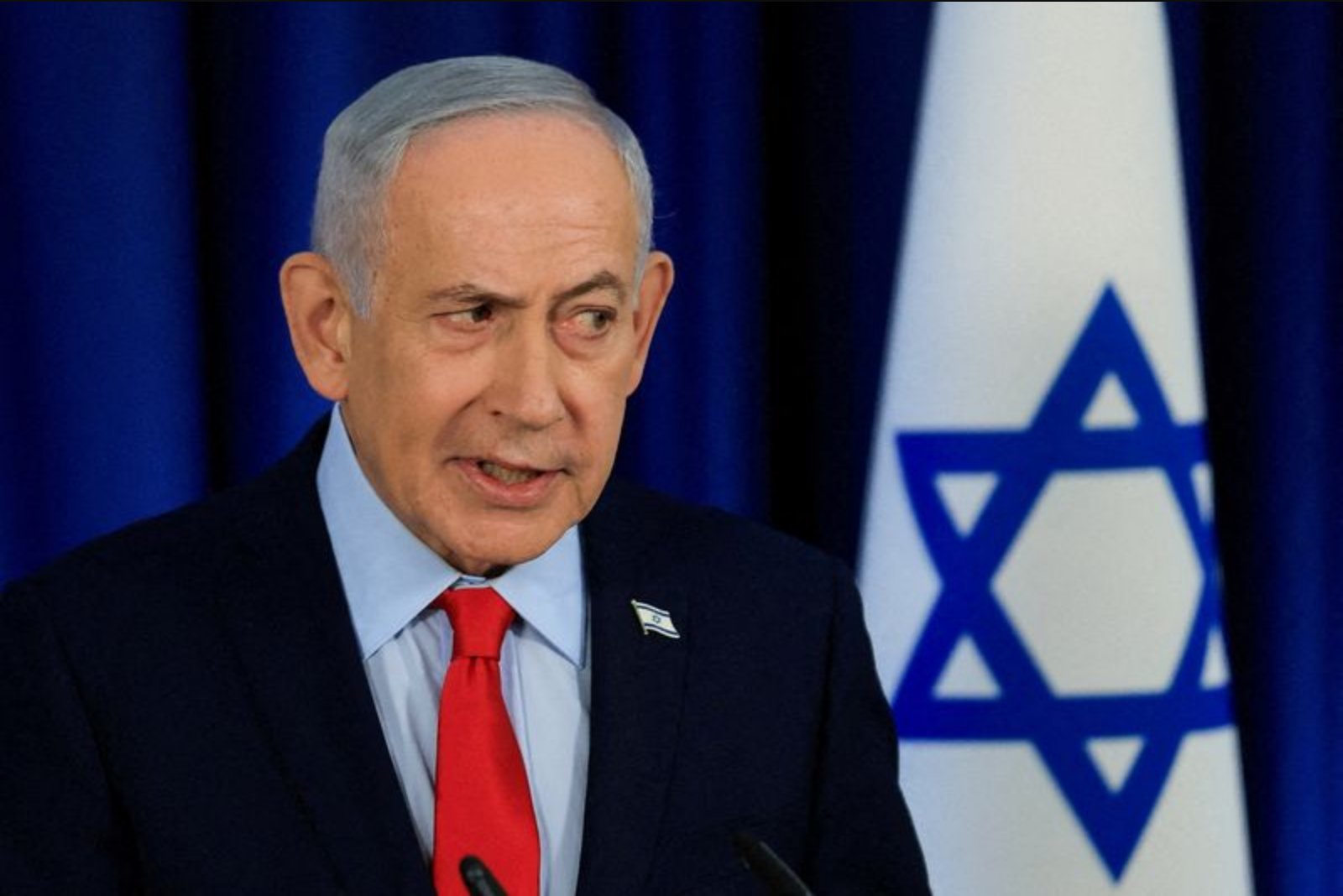
Prime Minister Benjamin Netanyahu said Israeli forces continue to strike Hezbollah and are close to overcoming the militia's stronghold in Bint Jbeil, while Israel simultaneously negotiates a peace agreement with Lebanon and seeks alignment with the U.S. on Iran-related objectives. Netanyahu described a dual approach of military pressure and diplomacy as talks progress amid calls for a ceasefire.

Key Points

  • Israeli forces continue operations targeting Hezbollah and are focused on Bint Jbeil, described by the prime minister as a significant Hezbollah stronghold - defence sector implications.
  • Netanyahu says Israel is simultaneously reinforcing the southern Lebanon security zone and negotiating a peace agreement with Beirut for the first time in over 40 years - political and diplomatic implications.
  • Israel and the United States are reportedly aligned on objectives regarding Iran's nuclear material, enrichment capabilities, and reopening of the Strait of Hormuz - implications for energy markets and regional security.

Prime Minister Benjamin Netanyahu said on Wednesday that Israeli forces remained engaged in strikes against Hezbollah and were closing in on what he described as the militia's major position in Bint Jbeil, even as international pressure for a ceasefire between Israel and Lebanon mounted.

In a recorded video statement, Netanyahu said he had ordered the military to continue strengthening the security zone in southern Lebanon while at the same time negotiating a peace deal with Beirut. "These negotiations have not taken place for over 40 years. They are happening now because we are very strong, and countries are coming to us - not only Lebanon," he said.

Netanyahu outlined two central objectives in the discussions with Lebanon: the dismantling of Hezbollah and the attainment of a sustainable peace that is "achieved through strength." He tied Israel's negotiating position to the military posture on the ground.

The renewed confrontation between Israel and the Iran-backed Hezbollah in Lebanon followed U.S.-Israeli strikes on Iran on February 28, which, according to Netanyahu's comments, sparked a broader regional escalation.

Addressing the situation in southern Lebanon specifically, the prime minister said Israeli forces were concentrated on Bint Jbeil, which he referred to as the capital of Hezbollah in southern Lebanon. "We are, in effect, about to eliminate this great stronghold of Hezbollah," he said, describing an imminent military objective.

On matters related to Iran, Netanyahu said that the United States keeps Israel informed and that the two nations share objectives concerning Iran's nuclear capabilities. He specified three goals: seeing enriched nuclear material removed from Iran, securing the cancellation of enrichment capabilities inside Iran, and reopening the Strait of Hormuz.

Netanyahu cautioned that the trajectory of these developments remained uncertain. "It is too early to say how this matter will end, or even how it will progress," he said, adding that if hostilities were to resume, "we are prepared for any scenario."


Context note: The prime minister framed the government's approach as a combination of military pressure and diplomatic engagement while emphasising coordination with the United States on Iran-related aims.

Risks

  • Potential resumption or escalation of fighting - this creates uncertainty for the defence sector and regional markets.
  • Unclear trajectory of negotiations with Lebanon - outcomes remain uncertain, affecting political stability and regional risk assessments.
  • Uncertain progress on Iran-related objectives, including removal of enriched material and reopening the Strait of Hormuz - introduces volatility for energy markets and trade routes.

More from World

Tehran Signals Possible Safe Passage for Vessels on Omani Side of Hormuz in U.S. Talks Apr 15, 2026 DHS Shutdown Slows World Cup Security Planning, Official Tells Senate Apr 15, 2026 Ukraine Deploys Integrated Drone-Infantry Combat Model, Cites Territorial Gains in the South Apr 15, 2026 U.S. UN Envoy Signals Concerns About Bachelet’s Suitability for Secretary-General Role Apr 15, 2026 African Catholics Express Shock as U.S. President and Pope Clash in Public Exchanges Apr 15, 2026