
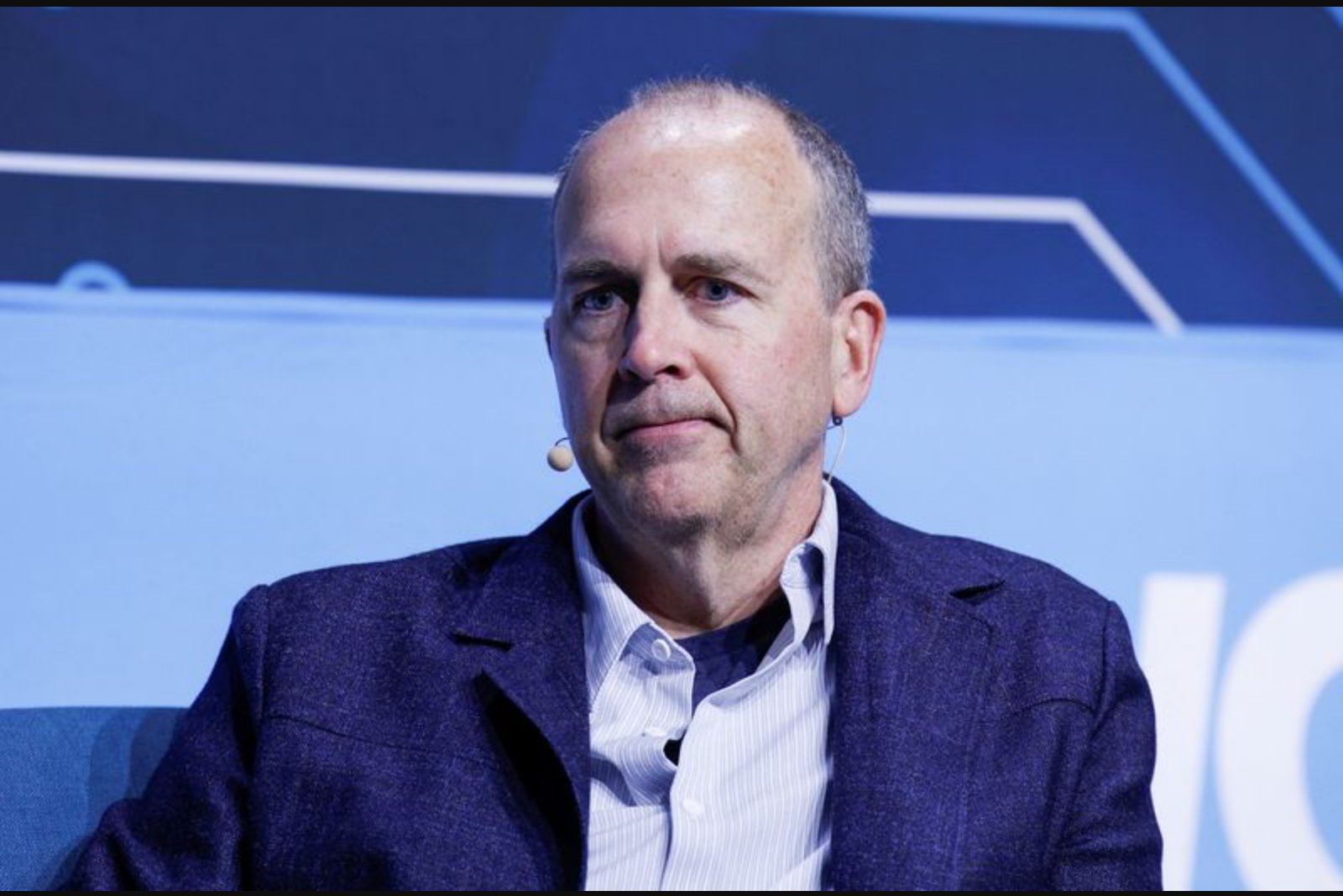
Doug Field, an executive with prior experience at Tesla and Apple, will depart Ford Motor Company next month, the automaker confirmed on Wednesday. Field, who served most recently as Ford’s chief EV, digital, and design officer, said he is looking forward to sharing the lessons he has gathered across his career.
Ford brought Field on board in 2021 to lead its advanced technology initiatives. At the time of his hiring, CEO Jim Farley indicated Field’s arrival would prompt a rethink in how Ford develops modern vehicles, calling it a "watershed" moment for the company. Since then, Detroit automakers have leaned more heavily on Silicon Valley talent to help transform slower-moving, legacy organizations into more tech-forward companies that can deliver new features and updates at a faster pace - with the hope of building recurring revenues from subscriptions.
During Field’s tenure, however, shifting policy environments and lower-than-anticipated demand for electric vehicles forced Ford to rapidly alter its product plans. Many of the programs Field worked on were ultimately canceled while he was at the company, including plans for several next-generation EVs and an advanced electrical architecture that had been designed to act as the central "brain" for those vehicles.
In December, Ford recorded a $19.5 billion writedown as it stepped away from several EV programs. Despite those setbacks, one of Field’s enduring contributions is expected to be Ford’s next generation of lower-cost EVs. That family is set to begin with a $30,000 pickup truck scheduled to arrive next year. Field, together with Tesla alum Alan Clarke, led efforts to build vehicles in the United States intended to compete with models produced by Chinese automakers.
Ford announced that Clarke will take over leadership of that group and has been named head of advanced development projects. The company said Clarke will now lead the team that Field helped assemble.
Farley praised Field for attracting technology talent to Ford and for pushing cultural changes designed to reduce complexity and speed decision-making. "His influence will be felt for years to come," Farley said in a statement.
As part of a broader overhaul, Ford is combining its advanced technology team with the global industrialization team led by Chief Operating Officer Kumar Galhotra. The automaker said the consolidation will better position it to tackle what it described as one of the most intensive periods of product, software and service launches in the company’s history. Galhotra will head the newly formed organization, which Ford has named product creation and industrialization.
The company said the reorganization is intended to help execute an aggressive refresh of its vehicle portfolio: Ford plans to refresh 80% of its North American vehicle lineup by volume and 70% of its global portfolio by volume by 2029.
Summary
Doug Field is leaving Ford next month after nearly five years overseeing EV and technology programs. His tenure included workforce and cultural changes, significant program cancellations and a $19.5 billion writedown tied to EV initiatives. Alan Clarke will assume leadership of advanced development projects, and Kumar Galhotra will lead a new product creation and industrialization group formed by merging advanced technology and global industrialization teams.
Key points
- Executive change - Doug Field, Ford’s chief EV, digital, and design officer, will depart next month after joining in 2021 to lead advanced technology efforts. (Impact on: Automotive, Technology)
- Program shifts and financial charges - Several next-generation EVs and an advanced electrical architecture were canceled during Field’s tenure; Ford took a $19.5 billion writedown in December tied to stepping away from some EV programs. (Impact on: Automotive, Financial markets)
- Organizational realignment - Ford is merging its advanced technology team with global industrialization under a new product creation and industrialization group led by COO Kumar Galhotra; Alan Clarke will head advanced development projects. Ford aims to refresh major portions of its lineup by 2029. (Impact on: Manufacturing, Software and Services)
Risks and uncertainties
- Demand risk - The article states lower-than-anticipated EV demand has already led to altered product plans and cancellations, introducing uncertainty for future EV programs. (Affects: Automotive sales and EV supply chain)
- Program execution risk - Cancellation of multiple next-generation EV projects and an advanced electrical architecture highlights the risk that planned technologies or vehicles may not reach production as expected. (Affects: Automotive manufacturing, suppliers)
- Operational transition risk - The consolidation of advanced technology and global industrialization into a single group creates execution and coordination risks as Ford seeks to manage an intensive wave of product, software and service launches. (Affects: Product development timelines and software teams)
Note: The article reflects the company statements and actions described above and does not add new information beyond those disclosures.