
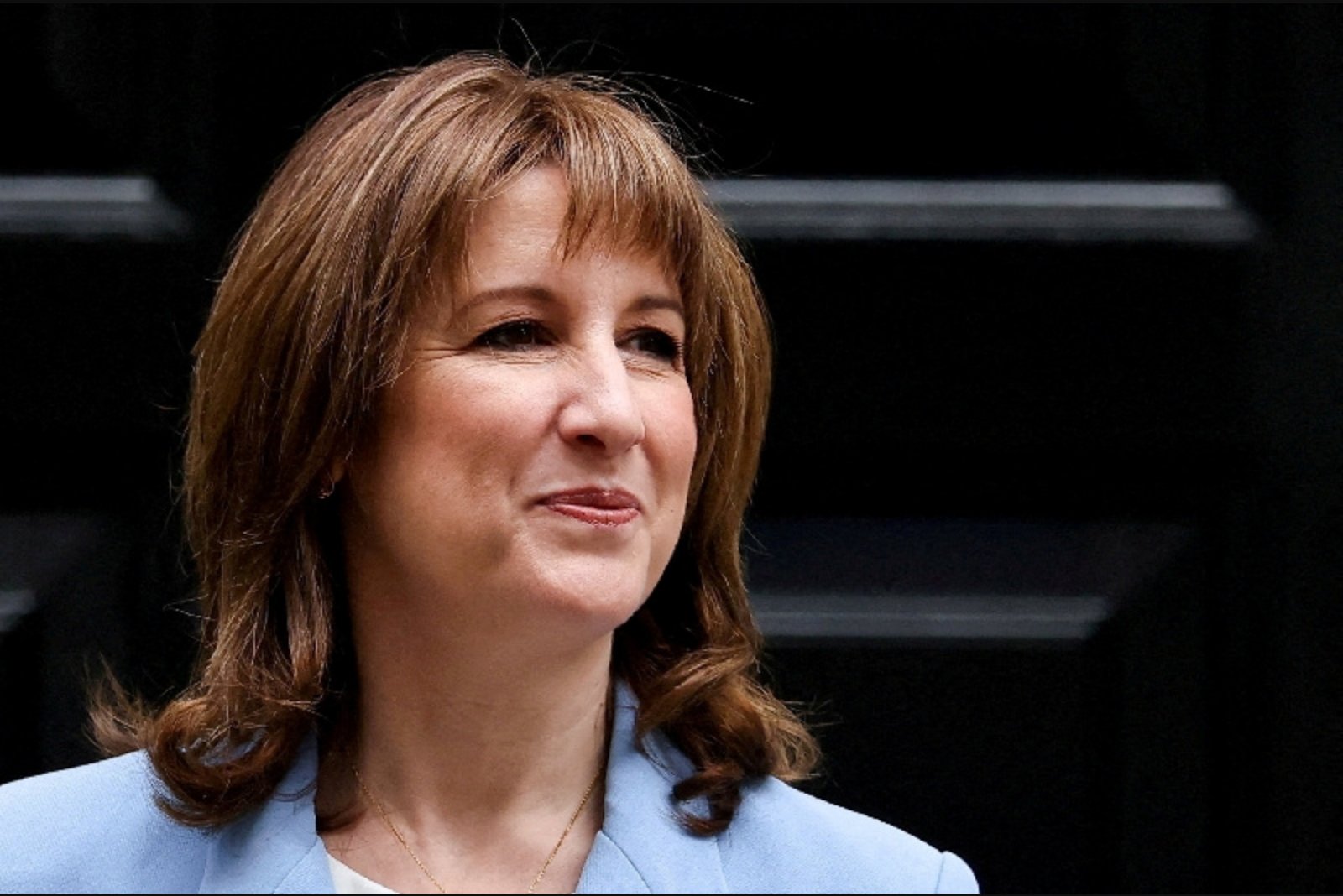
Britain will provide its competition regulator with enhanced powers to pursue companies it judges to have unjustifiably increased prices during crises, finance minister Rachel Reeves announced on Wednesday. The measure arrives as the government confronts elevated living costs.
The proposal formalises earlier comments by Prime Minister Keir Starmer, who signalled the intention to give the Competition and Markets Authority - the CMA - "further teeth" to address suspected price gouging when energy costs spiked following the U.S. and Israel's attack on Iran. Under the new "anti-profiteering" framework, the CMA and other regulators would receive tools aimed at quicker action to probe sharp price rises and to examine company margins in periods of supply disruption.
Officials say these powers should permit regulators to intervene sooner in markets experiencing sudden shocks. In describing the rationale, Reeves said: "When global events drive up costs, working families feel it first." She added: "I will not tolerate anyone exploiting a crisis to make a quick buck."
Among the proposed measures, regulators would be authorised to publish data showing how firms' margins move during crises - a so-called name-and-shame tactic that the government intends as a deterrent to excessive pricing. Where circumstances are judged more serious, ministers could authorise time-limited powers enabling orders for companies to stop exploitative pricing and to face penalties.
At the same time, officials acknowledge that while energy prices have risen since the conflict in the Middle East began, industry data indicate that those increases have not yet fully filtered through into supermarket prices. Grocery inflation had eased in April, according to the same reporting.
Reeves' office has also been pressing major supermarket groups to accept voluntary caps on essentials such as bread, milk and eggs in exchange for regulatory concessions. The proposal has encountered resistance from segments of the sector.
The package of measures highlights the government's aim to confront rising prices without instituting direct price controls. The approach centres on quicker investigative powers, publicity around margin movements, and limited, time-bound enforcement options where regulators or ministers judge behaviour to be exploitative.
Impacted sectors: Retail and grocery distribution, consumer staples and energy markets are the primary sectors likely to be affected by the proposed framework.