
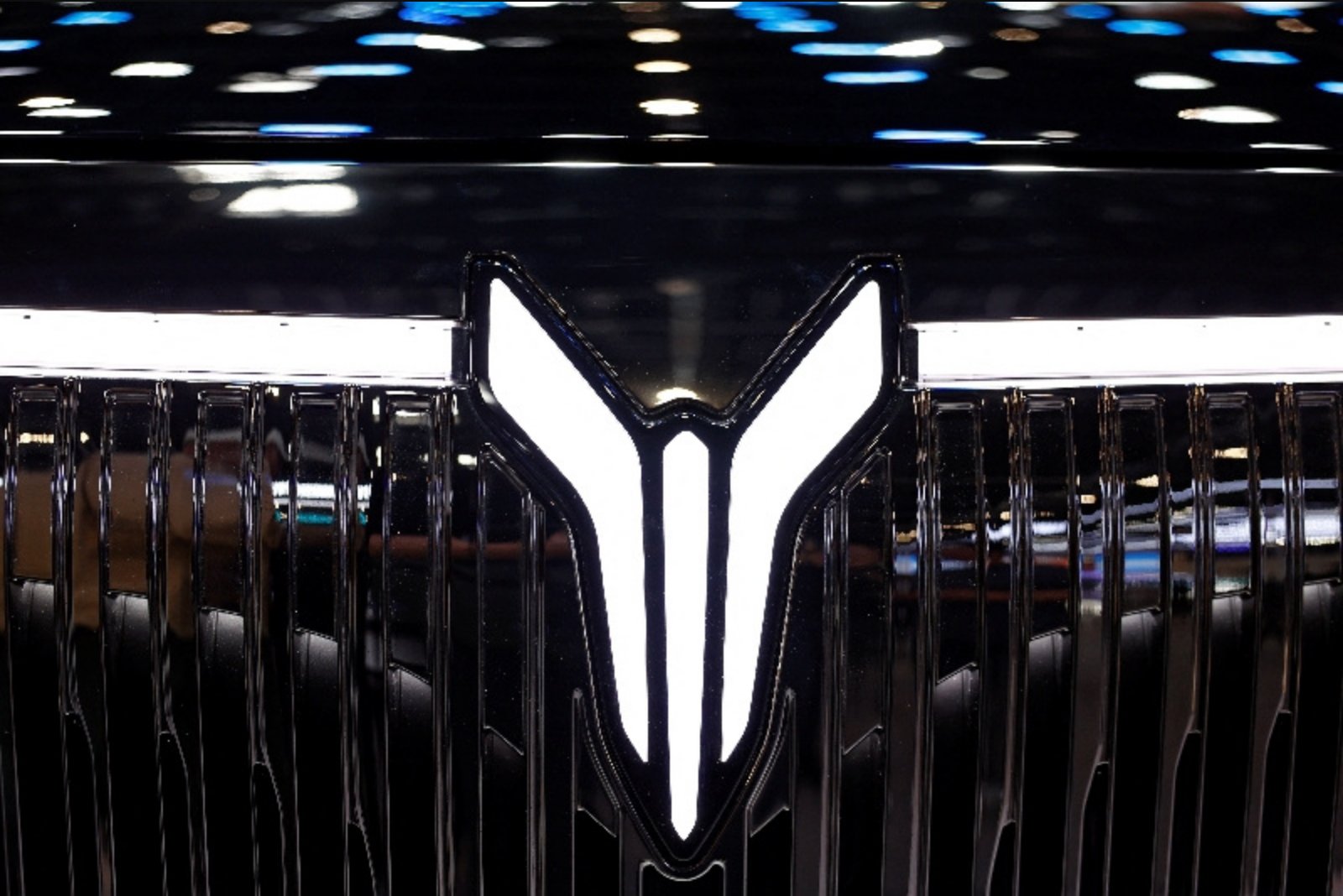
Stellantis plans to form a European joint venture with state-owned Chinese automaker Dongfeng and to assemble at least one fully electric vehicle from Dongfeng’s Voyah luxury brand at the Stellantis plant in Rennes, France, according to two people with direct knowledge of the arrangement. The firms have signed a letter of intent that would give Stellantis a 51% share in the proposed venture, one of the sources said.
The agreement, which could be declared as early as Wednesday morning, would see the Voyah vehicle assembled in a French factory owned by Stellantis. Producing the car on European soil would allow the Chinese brand to avoid European Union tariffs that apply to vehicles imported from China.
This planned move extends a recent string of partnerships between Chinese and European automakers. Last week Dongfeng agreed to manufacture Jeep and Peugeot models in China, while earlier this month Stellantis disclosed a deal with Leapmotor to co-build cars in Spain. The Leapmotor arrangement stems from a joint venture created in 2023 in which Stellantis holds a 51% stake.
Stellantis is expected to host a capital markets day on Thursday. Chief executive Antonio Filosa is scheduled to present the company’s strategy to regain market share in North America and Europe. Executives and investors will be watching for details on how the company intends to deploy its European manufacturing footprint and work with overseas partners.
Market observers say the planned venture places Stellantis among traditional automakers actively seeking to repurpose underutilised European factories by inviting Chinese carmakers to build locally. Details on the specific Voyah model to be produced and the structure of the European joint venture have not previously been reported, and the two sources said those particulars remain to be finalised.
Stellantis declined to comment on the matter, and Dongfeng did not immediately respond to a request for comment.
Dongfeng is a relative newcomer to the European market, selling vehicles in only a small number of countries, including Italy and Poland. Sales data from Dataforce indicate that in 2025 Dongfeng and Voyah brands combined sold 3,210 vehicles across Europe.
Chinese automakers are increasingly seeking rapid access to European production by renting or partnering for excess factory capacity. Automotive suppliers and contract manufacturers have already begun such arrangements: Magna is producing vehicles for Xpeng and GAC at a facility in Austria, demonstrating the existing appetite for outsourced assembly capacity in the region.
Executives in China face intense price competition in the domestic electric vehicle market. That pressure has encouraged Chinese carmakers to expand overseas in search of higher sales volume and improved profitability. At the Beijing auto show last month, Dongfeng stated a target of reaching global sales of 4 million vehicles by 2030, with more than 40% of those sales expected to come from markets outside China.
The renewed push by Chinese brands into Europe aligns with moves by several incumbent automakers. Volkswagen has publicly indicated it is weighing whether to allow Chinese manufacturers to use available capacity in its European plants, while Stellantis has already pursued partnerships intended to broaden its product mix and manufacturing footprint across Europe.
The Rennes assembly plant has a long industrial history. Opened in 1960 as part of a regional industrialisation effort in Brittany, it once produced in excess of 400,000 vehicles annually across three assembly lines in the early 2000s. The site underwent restructuring during the 2010s and now operates a single production line, manufacturing the Citroen C5 Aircross SUV.
Industry participants say efforts to deploy underused European capacity are likely to continue as automakers adjust to evolving global demand patterns for electric vehicles and search for ways to optimise factory utilisation. The proposed Stellantis-Dongfeng venture, if announced, would be another example of that trend.
Summary
Stellantis and Dongfeng have signed a letter of intent for a European joint venture in which Stellantis would hold a 51% stake, and at least one Voyah electric vehicle would be built at Stellantis’s Rennes factory in France. Producing the vehicle in France would avoid EU tariffs on Chinese-built EVs. The plan could be announced imminently.
Key Points
- Stellantis would hold a 51% stake in the planned joint venture with Dongfeng as set out in a letter of intent.
- At least one Voyah-brand electric vehicle would be manufactured at the Stellantis Rennes plant, enabling Dongfeng to avoid EU tariffs on Chinese imports.
- The move follows other recent partnerships between European and Chinese automakers and highlights efforts to use underutilised European factory capacity.
Risks and Uncertainties
- Key details of the vehicle and the operational structure of the European joint venture have not been disclosed and could change.
- The announcement remains subject to formal confirmation - Stellantis declined to comment and Dongfeng had not responded at the time of reporting.
- Market acceptance of Dongfeng and Voyah models in Europe is limited at present, with combined sales of 3,210 vehicles in 2025, which could affect short-term commercial prospects.