
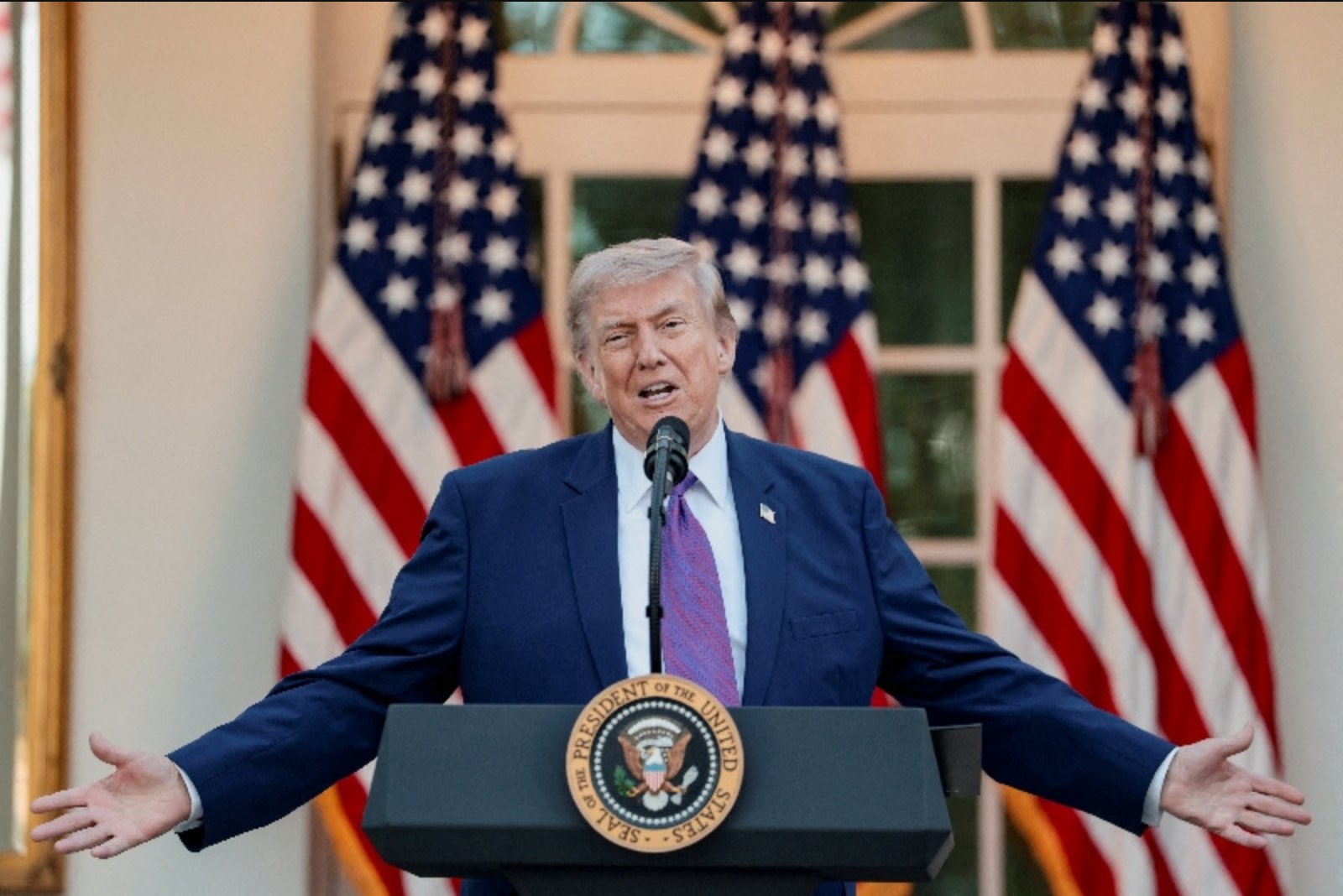
The White House announced on Tuesday that President Donald Trump has signed an executive order specifically designed to combat illicit activity within the American financial infrastructure. Central to this directive is a mandate for the U.S. Treasury Secretary to issue formal advisories to the nation's financial institutions. These advisories will serve as guides to help identify various red flags and patterns of suspicious behavior that may indicate illegal activities.
According to the White House, these identified patterns of interest include:
- The concealment of true ownership regarding accounts
- Labor trafficking operations
- Evasion of payroll taxes
Furthermore, the order tasks the Treasury Secretary with proposing revisions to existing Bank Secrecy Act regulations. The goal of these proposed changes is to bolster customer due diligence requirements and expand the authority of officials to acquire additional information when such actions are deemed necessary. This suggests a move toward more rigorous verification processes within the banking sector.
Key Economic and Market Impacts
The directives issued on Tuesday are expected to influence several segments of the financial economy:
- Banking and Financial Services: The mandate for enhanced customer due diligence and the potential changes to the Bank Secrecy Act will directly impact how institutions manage account oversight and information gathering.
- Financial Technology (Fintech): The second executive order aims to streamline regulations, which could facilitate closer collaboration between fintech firms and traditional regulated financial entities.
- Regulatory Oversight: Federal regulators may see a shift in their authority and requirements regarding the acquisition of data from financial institutions to prevent crime.
Risks and Uncertainties
While the orders aim to strengthen the system, certain uncertainties remain based on the text of the directives:
- Regulatory Implementation: The exact nature of the changes proposed for the Bank Secrecy Act remains to be seen, creating uncertainty regarding the specific new requirements for customer due diligence.
- Compliance Burdens: As financial institutions are directed to identify more complex patterns like labor trafficking and ownership concealment, the complexity of monitoring suspicious activity may increase.