
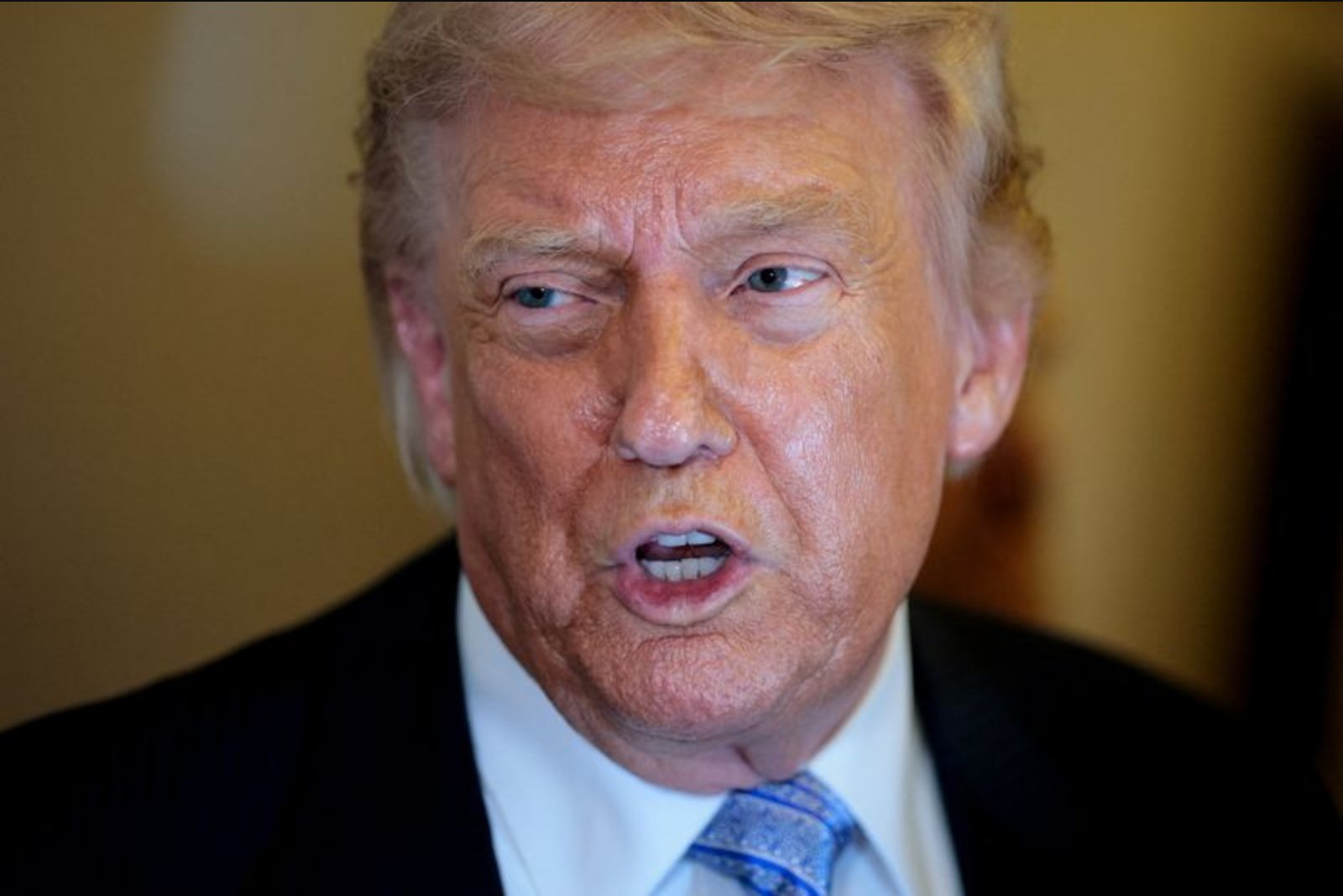
On Tuesday, President Donald Trump signed an executive order aimed at addressing regulatory frameworks that could potentially stifle innovation within the financial sector. The directive explicitly calls upon the Federal Reserve and other regulators to review policies with the goal of supporting growth in the fintech industry. A significant component of this order involves the Federal Reserve examining its current approach to providing access to payment accounts and services, specifically looking into options for extending such access to non-bank firms and fintech companies.
The Role of Master Accounts and Recent Precedents
The debate surrounding fintech integration centers heavily on "master accounts." These specialized accounts act as a banking mechanism for financial institutions, enabling them to move funds directly via the Federal Reserve's payment infrastructure. The demand for these accounts has intensified as several fintech organizations have either applied for or indicated plans to seek access.
One notable precedent occurred in March, when the crypto exchange Kraken was granted a Fed master account. This designation allowed Kraken access to Fedwire - the central bank's wholesale payments system - and provided the ability to maintain limited overnight balances. Other entities currently seeking such access include the cryptocurrency firm Ripple, Anchorage Digital, and the fintech money transfer service Wise, according to available public information.
The Federal Reserve has previously indicated an openness to expanding its payment rails to accommodate more fintech and crypto-focused firms. This was evidenced in December, when the central bank sought feedback regarding a potential new category of payment account. Such accounts would likely carry restrictions comparable to those currently applied to Kraken's master account arrangement.
Key Economic and Market Impacts
- Financial Infrastructure Integration: The directive could lead to a significant shift in how payment rails operate, potentially integrating more non-traditional players into the core wholesale banking system.
- Fintech Sector Expansion: By reviewing rules that may be stifling innovation, the order targets a broader environment for fintech growth and the adoption of new financial technologies.
- Crypto Industry Access: The potential for expanded access to Fedwire and master accounts could directly impact how cryptocurrency firms interact with the established banking system.
Risks and Uncertainties
- Regulatory Implementation: While the order calls for a review, it remains uncertain how the Federal Reserve and other regulators will ultimately update policies to balance innovation with existing frameworks.
- Restrictive Access Models: The article notes that new types of accounts may come with restrictions similar to those imposed on Kraken, suggesting that access might not be seamless or unrestricted for all firms.