
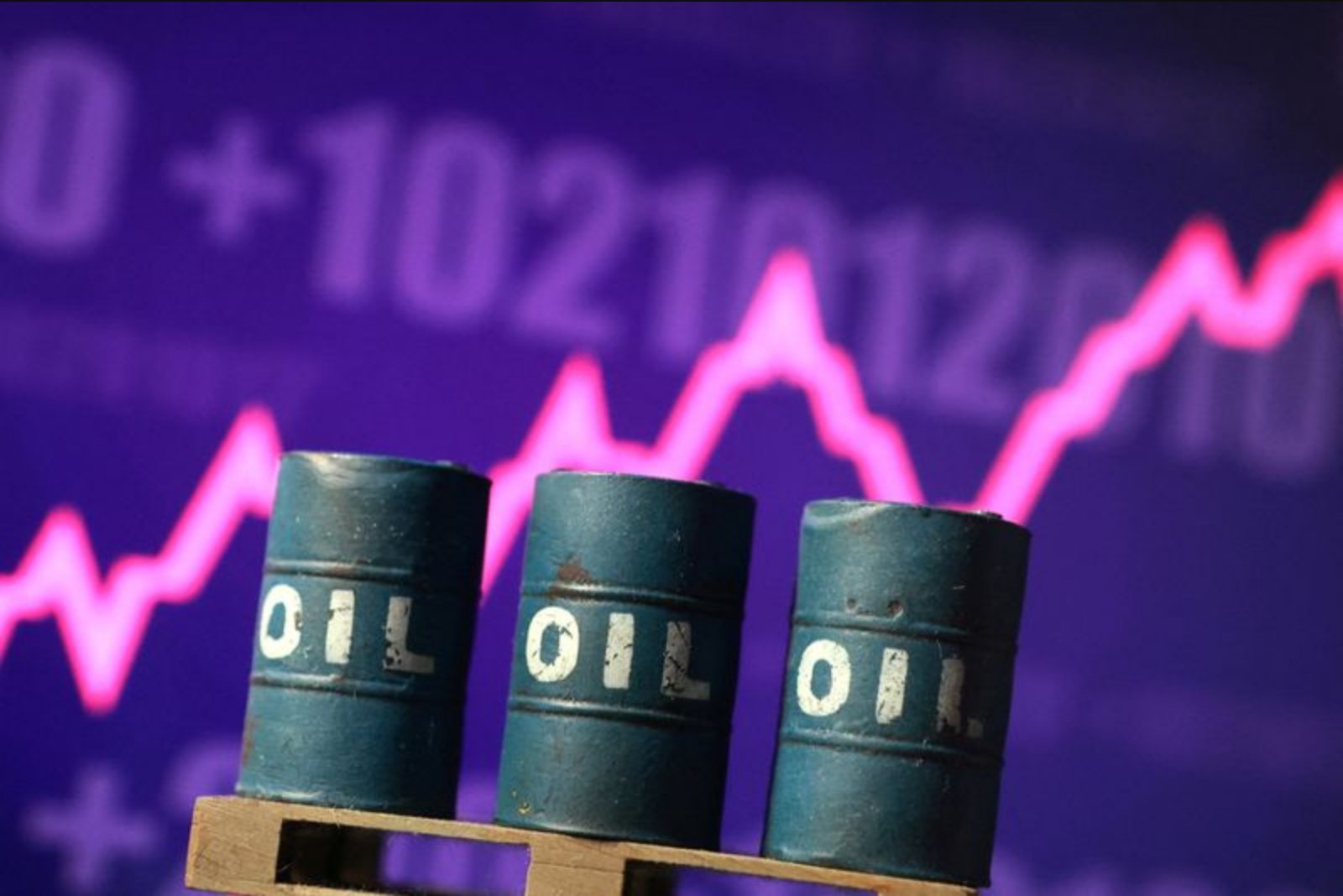
SINGAPORE, April 27 - Oil climbed in early Asian trading on Monday as attempts to clinch a diplomatic agreement between the United States and Iran faltered over the weekend, leaving Gulf shipping effectively blocked and underpinning energy prices.
Benchmark Brent crude futures rose by more than 2% to reach $107.97 a barrel, marking a three-week high. The move in oil occurred alongside a cautious tone in equities: S&P 500 futures slipped about 0.3% after U.S. shares finished last week at a record closing level.
The dollar inched higher against major currencies, though the gains were limited. The euro fell 0.15% to $1.1706, while the Japanese yen was marginally weaker at 159.53 per dollar.
Market participants cited the stalled talks as a key factor in the commodity reaction. Although a ceasefire has paused full-scale hostilities in the conflict that began after U.S.-Israeli strikes on Iran two months ago, negotiators have yet to agree on terms that would reopen the Strait of Hormuz. The waterway has been described as all but closed, a development that has pushed energy prices higher.
On the diplomatic front, U.S. President Donald Trump cancelled a planned trip to Islamabad by two envoys that had been intended for talks over the weekend. Iran’s foreign minister, meanwhile, continued shuttle diplomacy among mediating countries.
"If they want to talk, they can come to us, or they can call us. You know, there is a telephone. We have nice, secure lines," Trump said on "The Sunday Briefing" on Fox News. "They know what has to be in the agreement. It’s very simple: They cannot have a nuclear weapon, otherwise there’s no reason to meet," Trump said.
Investors weighed the risks to supply from the effective closure of the Strait of Hormuz against the backdrop of a strong finish for U.S. equities last week. The dollar's small uptick against major peers reflected a cautious stance in currency markets amid the geopolitical uncertainty.
Overall, the combination of constrained shipping through a strategically vital chokepoint and the absence of a diplomatic breakthrough left oil prices elevated and equity futures somewhat softer in early Asian trade.
Markets and sectors affected:
- Energy markets saw immediate pressure from shipping disruptions through the Strait of Hormuz.
- Equity markets registered cautious positioning, with U.S. futures edging lower.
- Foreign exchange markets reflected modest dollar strength versus the euro and yen.