
Global military expenditure increased by 2.9% in 2025, reaching $2.89 trillion, according to a report released by a conflict-focused research institute. This marks the 11th straight year of growth in defense spending and pushes the total share of global gross domestic product allocated to military budgets to 2.5% - the highest level since 2009.
The report identified a 14% rise in European military spending to $864 billion as the principal driver of the global increase. That regional uptick coincided with continued spending growth by both Russia and Ukraine in the fourth year of their conflict, and with higher outlays among NATO members in Central and Western Europe that produced the sharpest annual growth in the region since the end of the Cold War.
At the same time, the United States recorded a 7.5% decline in its defense budget, falling to $954 billion in 2025. The report attributed the reduction mainly to the absence of newly approved financial military assistance for Ukraine; over the prior three years, U.S. military funding to Ukraine totaled $127 billion. The three largest national spenders - the U.S., China and Russia - together accounted for $1.48 trillion, equal to 51% of global military spending.
"Given the range of current crises, as well as many states’ long-term military spending targets, this growth will probably continue through 2026 and beyond," the institute said in its analysis.
The institute also described the drop in U.S. military expenditure in 2025 as likely temporary. It noted that spending approved by the U.S. Congress for 2026 has risen to over $1 trillion and indicated that it could rise further to $1.5 trillion in 2027.
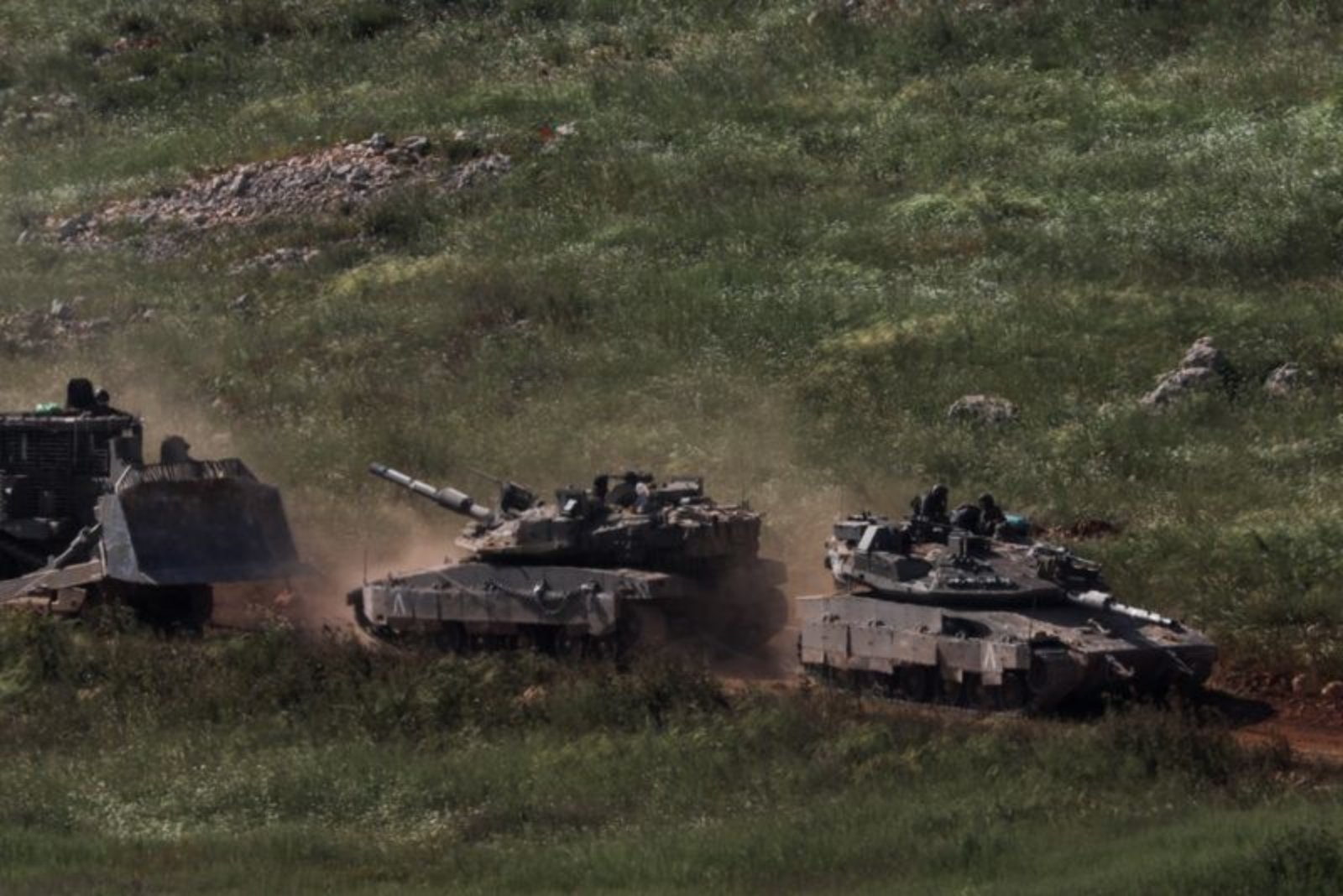
Outside Europe and the largest spenders, there were notable individual-country movements. Israel's military spending fell 4.9% to $48.3 billion as the war in Gaza eased during 2025. Iran's defense outlays declined for a second straight year, dropping 5.6% to $7.4 billion.
Overall, the data depict a global defense landscape where regional surges - particularly in Europe - have more than offset a one-year contraction in U.S. defense spending. The report highlights both the persistent drivers of higher defense budgets and the likelihood that global military expenditure will remain elevated in the near term.
Data highlights
- Global military spending in 2025: $2.89 trillion, up 2.9%.
- Share of global GDP devoted to military budgets: 2.5%, highest since 2009.
- Europe: spending rose 14% to $864 billion, main contributor to global increase.
- United States: spending fell 7.5% to $954 billion; $127 billion in military aid to Ukraine over prior three years.
- Top three spenders (U.S., China, Russia): combined $1.48 trillion, 51% of global spending.
- Israel: spending down 4.9% to $48.3 billion; Iran: down 5.6% to $7.4 billion.