
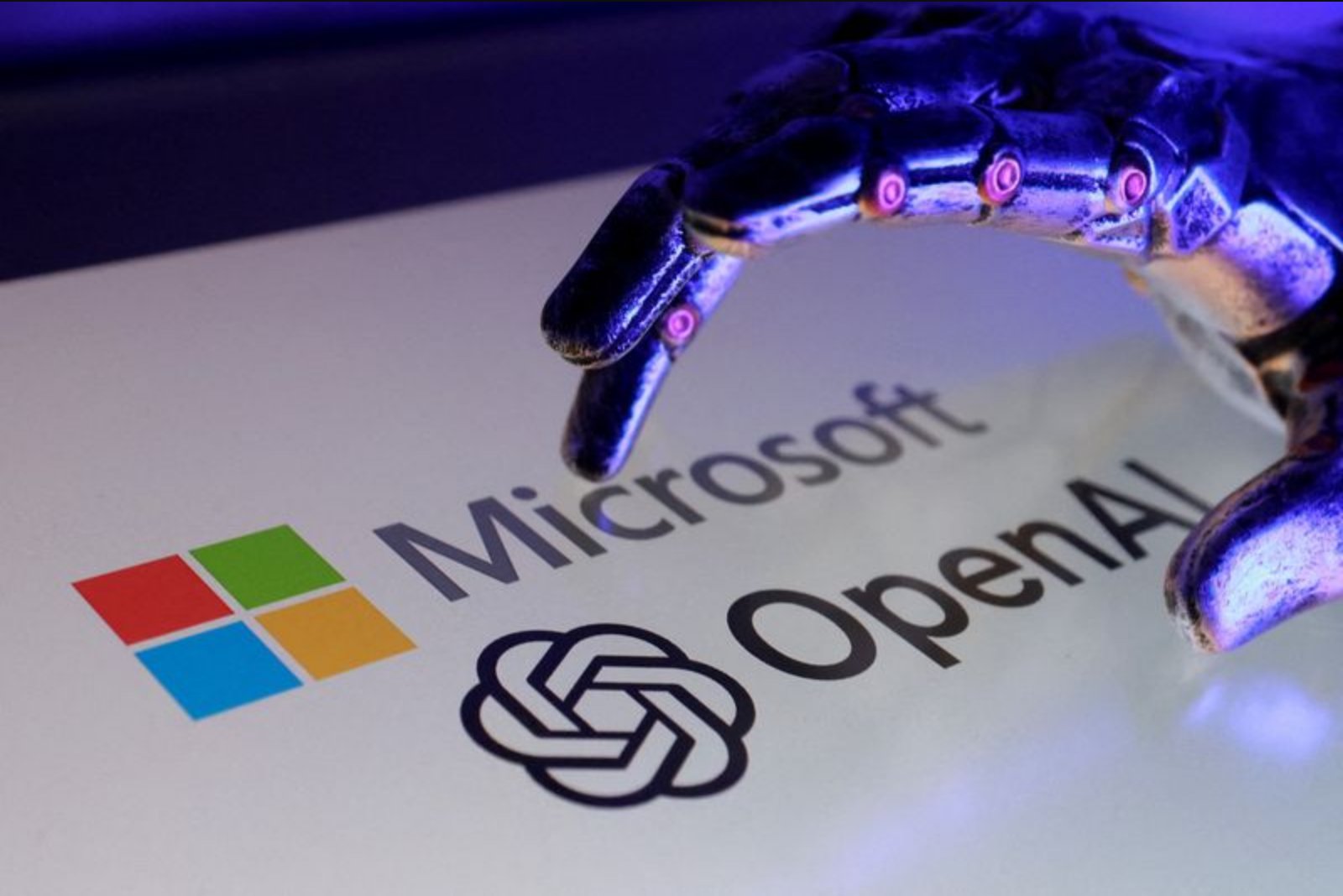
Microsoft will no longer have exclusive rights to OpenAI’s artificial intelligence models and products, a shift that opens the door for the AI developer to distribute the same technology across rival cloud platforms, including those run by Amazon and Alphabet’s Google.
Under the restructured arrangement, Microsoft remains OpenAI’s primary cloud partner and retains a license to OpenAI intellectual property that extends through 2032. The company has become a prominent participant in the AI landscape in recent years, in part because of its early commercial alignment and access to technology from the developer of ChatGPT.
Markets reacted quickly to the announcement. Shares of Microsoft tumbled nearly 3% immediately after the news on Monday, while shares of Alphabet and Amazon registered modest gains.
What changed
The key alteration in the relationship is the removal of exclusivity: OpenAI can now sell or license its AI models and related products on other major cloud providers. At the same time, Microsoft remains positioned as OpenAI’s principal cloud partner and retains a multiyear intellectual property license that runs to 2032.
Market response
- Microsoft shares fell nearly 3% after the announcement.
- Alphabet and Amazon saw slight upticks in their stock prices.
Context provided by the restructuring
The change alters how OpenAI’s technology can be distributed among cloud infrastructure providers while maintaining a continued, formalized relationship with Microsoft. The Windows maker’s status as a significant AI participant is highlighted by its early commercial engagement and access to the technology developed by the ChatGPT creator.
Summary of key factual points
- OpenAI will no longer limit its AI models and products to Microsoft alone and can sell across rival clouds including Amazon and Google.
- Microsoft remains OpenAI’s primary cloud partner and has a license to OpenAI intellectual property through 2032.
- Microsoft shares fell nearly 3% after the announcement; Alphabet and Amazon gained slightly.