
Summary: Israeli military operations expanded into eastern Lebanon on Monday, with strikes reported in the Bekaa Valley for the first time since a U.S.-brokered ceasefire took effect on April 16. The ceasefire has curbed the tempo of attacks but has not eliminated clashes between Israeli forces and Hezbollah, which continue to trade drone, rocket and ground-level engagements across southern and northern border areas.
Israeli forces carried out strikes in Lebanon’s eastern Bekaa Valley on Monday, drawing the conflict beyond the southern strip where much of the fighting has concentrated since early March. The Israeli military said it had begun targeting Hezbollah infrastructure in the Bekaa in addition to areas in southern Lebanon.
Security sources told Reuters the strikes had struck near the town of Nabi Chit, close to Lebanon’s eastern border with Syria. There were no immediate reports of casualties in that area.
Lebanon’s state media agency reported several strikes elsewhere across the south of the country that left at least three people wounded. Separately, the Lebanese militant group Hezbollah said on Monday that it had attacked an Israeli tank in southern Lebanon with a drone.
The Israeli military reported that a drone launched by Hezbollah exploded near its troops operating in southern Lebanon, adding that the incident did not cause casualties.
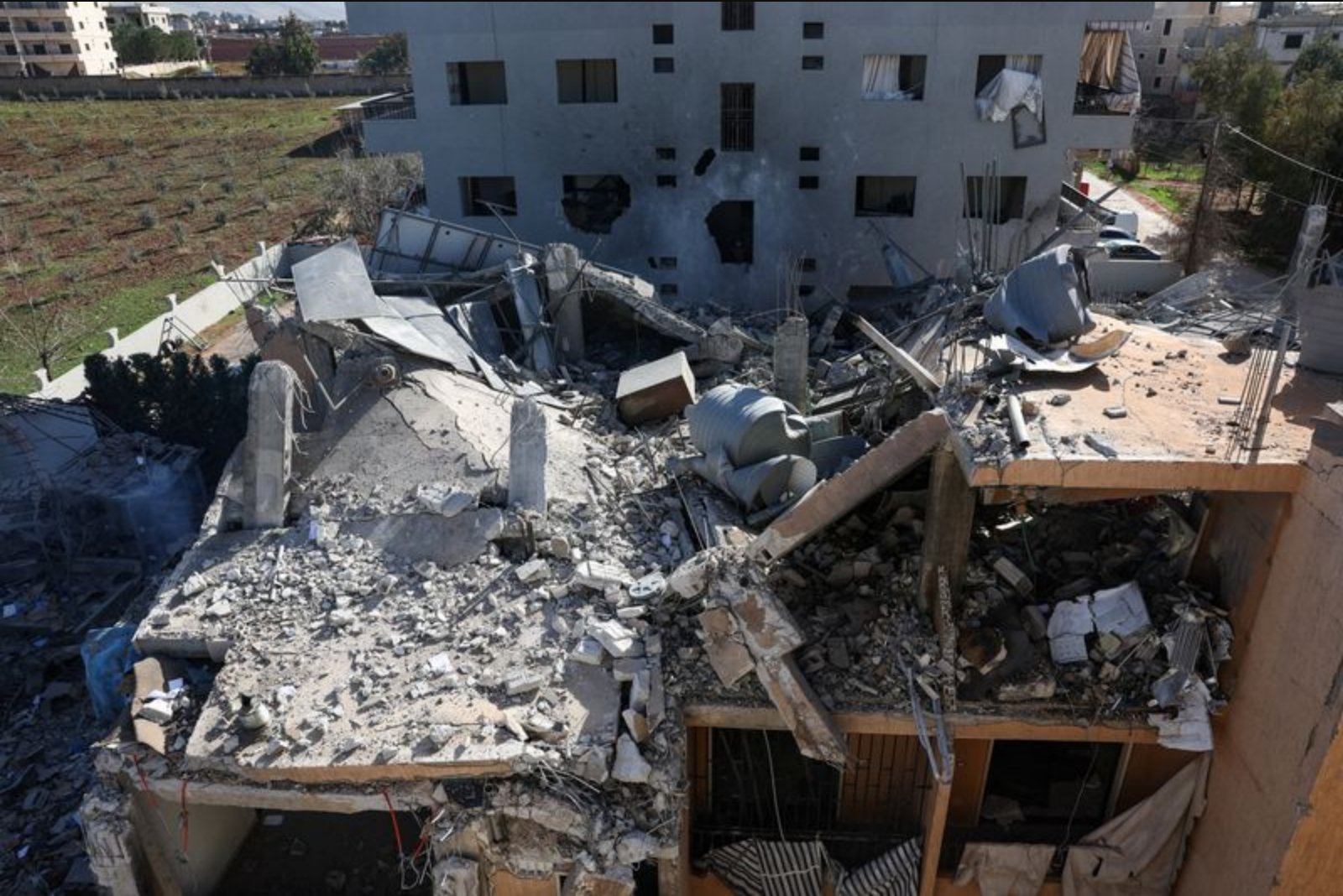
Since March 2, more than 2,500 people have been killed in Israeli strikes across Lebanon, according to figures cited in reporting on the conflict. Those strikes followed Hezbollah firing on Israel in support of its ally Iran, an escalation that prompted an Israeli ground and air campaign that has left large areas of southern Lebanon in ruins.
While the U.S.-brokered ceasefire that took effect on April 16 significantly reduced the pace of attacks, it has not fully halted exchanges of fire. Israeli troops remain deployed in a swath of southern Lebanon, and Israeli forces have demolished homes they describe as infrastructure being used by Hezbollah.
The conflict has sharpened domestic divisions in Lebanon over Hezbollah’s possession of arms and the conduct of foreign policy. The unfolding war has exacerbated splits among the Lebanese population about the group’s armed role and the prospect of entering direct talks with Israel.
Diplomatic activity has continued despite the fighting. The Lebanese and Israeli ambassadors to the United States have met twice to discuss the ceasefire, an initiative described as intended to pave the way for direct talks aimed at securing an eventual peace agreement between the two countries.
Hezbollah has been vocal in its opposition to any direct negotiations. In a written statement on Monday, the group’s deputy leader Naim Qassem described the proposed talks as a "humiliating and unnecessary concession." Qassem added: "Let it be clear, these direct negotiations and their outcomes are considered nonexistent to us and do not concern us at all. We will continue our defensive resistance for Lebanon and its people."
Lebanon’s president, Joseph Aoun, defended his government’s decision to pursue face-to-face talks with Israel and used a sharp rebuke aimed at Hezbollah without naming the group. In a statement released by his office, Aoun said: "What we are doing is not treason; rather, treason is committed by whoever takes his country to war to achieve external interests."
Aoun further challenged critics who cite a lack of national consensus as a pretext for opposing negotiations, asking rhetorically whether those who launched the war had first secured national agreement before doing so: "Some hold us accountable for deciding to go to negotiations on the pretext of the lack of national consensus, and I ask: When you went to war, did you first obtain national consensus?"
The extension of Israeli strikes into the Bekaa underlines that the ceasefire, while lowering the frequency of attacks, remains fragile. Both sides have continued limited but pointed military actions - Israel expanding target zones and Hezbollah maintaining strikes with drones and rockets - keeping the border area tense and diplomatic channels under pressure as officials explore whether pauses can evolve into substantive negotiations.