
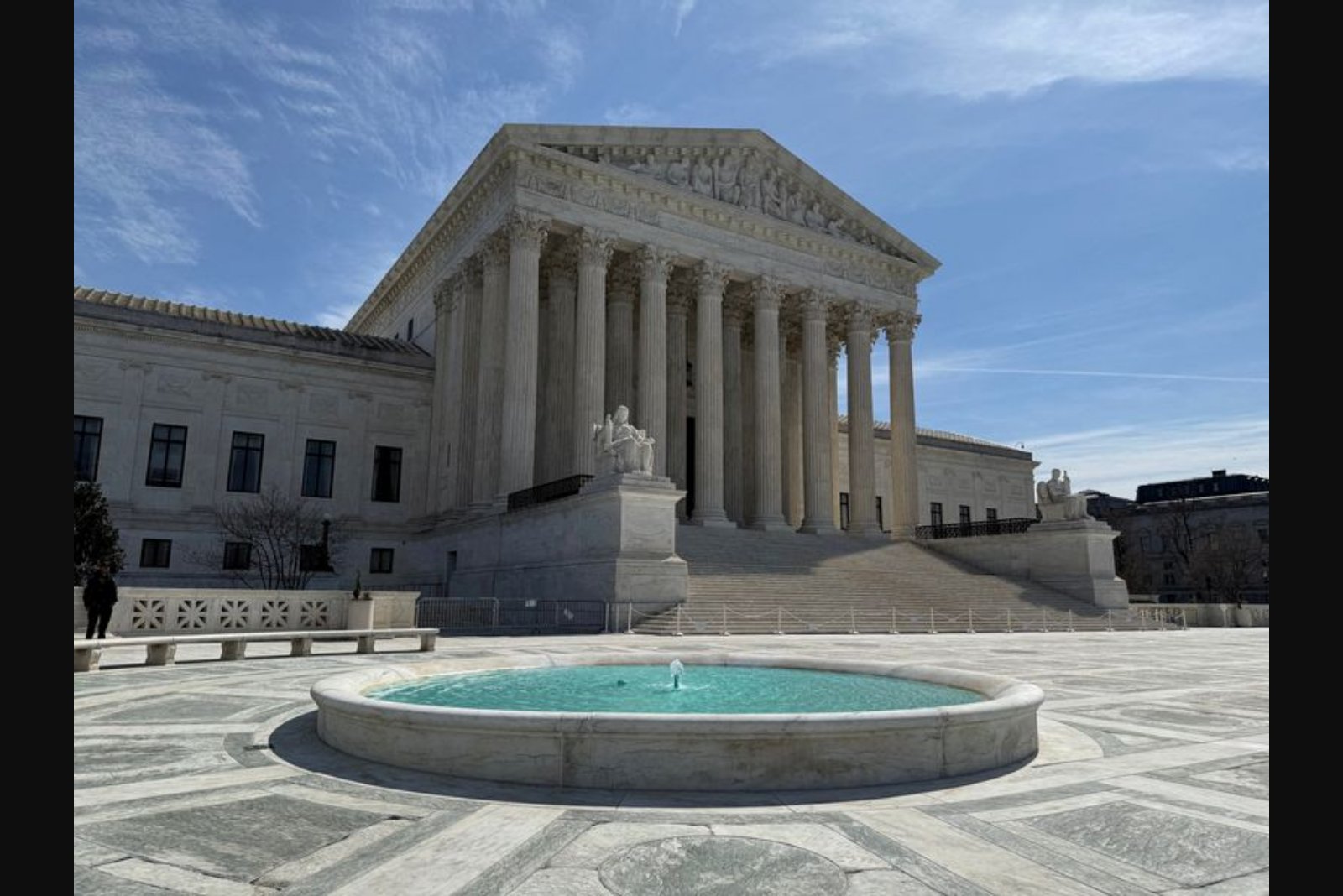
The U.S. Supreme Court on Monday formally put back into effect a redrawn Texas map of congressional districts that was crafted to increase Republican representation in the U.S. House of Representatives. The action follows an interim decision the court issued in December to revive the same map and was taken by the court, which has a 6-3 conservative majority.
The map now reinstated was requested by former President Donald Trump, approved in August 2025 by the Republican-led Texas Legislature and signed by Republican Governor Greg Abbott. Court documents indicate that the redrawn districts could change the partisan balance by shifting as many as five seats currently held by Democrats to Republican control.
On Monday the court reversed a lower court ruling that previously barred Texas from implementing the new plan. That lower court had concluded the map was likely racially discriminatory and therefore in violation of constitutional protections. As they did in the December decision, the court's three liberal justices registered a dissent from the majority opinion on Monday.
The reinstatement of the map arrives as the Republican Party, under pressure to preserve its narrow majorities in both the House and the Senate, prepares for competitive congressional contests in November. Republican control of either chamber remains slim; losing the House or Senate could jeopardize the party's legislative priorities and would increase the likelihood of Democratic-led investigations in Congress.
The Supreme Court's move in Texas follows a related February decision in which the court allowed California to use a newly drawn map intended to increase Democratic representation by five seats. That California map was adopted by a Democratic-led state in response to the actions taken in Texas.
Redistricting normally takes place once each decade to reflect population changes recorded by the national census. Recent redrawing efforts in multiple states, however, have been driven by partisan objectives: Republican- and Democratic-led state legislatures have pursued maps aimed at gaining political advantage rather than solely reflecting population shifts.
The court's reinstatement of the Texas map removes the legal barrier that had prevented its use but leaves intact the underlying dispute about whether the boundaries cross constitutional lines on the basis of race. The decision is likely to shape the political landscape in key districts as campaigns proceed toward November's congressional elections.
Legal posture
- The Supreme Court reversed a lower court that had blocked Texas from using the new map on grounds it was likely racially discriminatory.
- The three liberal justices dissented from the reinstatement, repeating their opposition from December.
Political context
- The map was drawn by a Republican-led legislature, signed by the Republican governor, and sought by former President Trump to bolster his party's prospects.
- Both parties are adjusting maps in various states, leading to competing changes in congressional representation ahead of the midterms.