
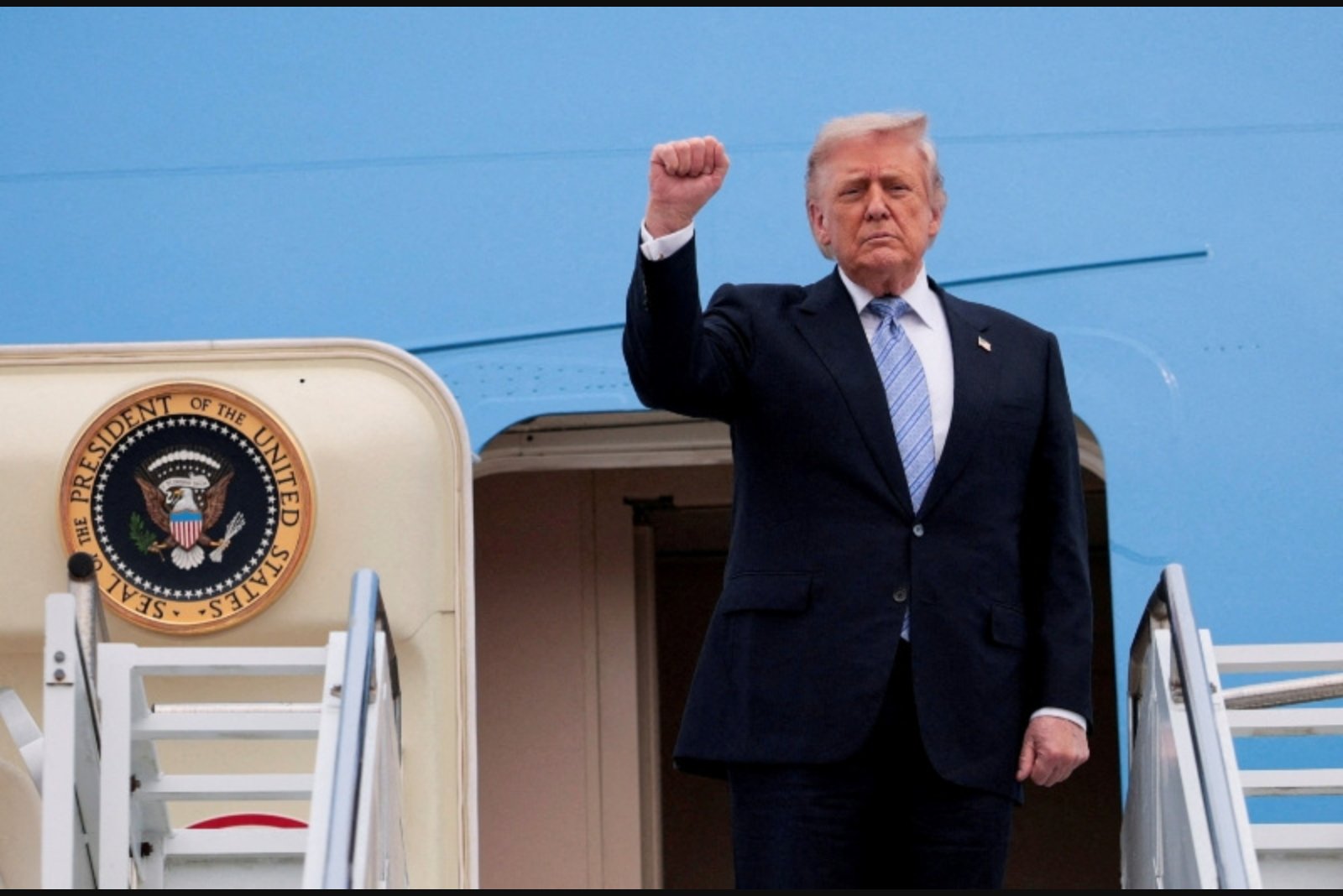
Senior U.S. executives from some of the country’s largest companies traveled to China this week, drawing public attention with formal receptions, photographs and informal moments that underscored the market’s importance. Despite the red-carpet treatment and ample face time with Chinese counterparts, officials and business leaders left Beijing without a clear list of substantive, publicly confirmed commercial achievements as the presidential delegation departed on Friday afternoon.
The business contingent included high-profile figures such as Tesla’s Elon Musk and Nvidia’s Jensen Huang, alongside representatives from Apple, Meta, Boeing, Cargill and Goldman Sachs. The gathering highlighted how central China remains to many multinational strategies even as government-level relations contend with tensions over trade, artificial intelligence and wider geopolitical concerns.
For executives operating in China, in-person discussions with policymakers can be critical for navigating regulatory hurdles, seeking approvals and pursuing investments. Analysts who observed this week’s program suggested the summit was aimed less at immediate headline-making deals and more at producing an environment of political goodwill and clearer bilateral expectations.
Feng Chucheng, founder and partner at Beijing-based strategic consultancy Hutong Research, emphasized that Beijing does not treat these leadership forums as purely transactional. Feng said the summit’s objective is not best measured by the size of signed contracts but by establishing a shared baseline and institutional guardrails to prevent unanticipated escalation. "I wouldn’t use the size of deals to measure the outcome of the summit," Feng said. "Its top priority is to find a mutually agreed ‘floor’ for the bilateral relationship and secure a set of guardrails to avoid uncontrolled, unexpected escalation."
Some dealmaking could still materialize in the days following the official program. Several executives remained in China after the president’s departure to continue meetings with officials and potential partners, leaving open the possibility of subsequent announcements.
According to comments made by the U.S. president, and pending formal confirmation, a purchase of 200 Boeing jets was cited as a transaction tied to the visit. While that would represent a tangible order, it is smaller than the 500 jets some had anticipated and below the 300-plane tally associated with the last comparable presidential visit to Beijing in 2017.
Another unresolved item was the status of Nvidia’s H200 AI chip. The H200 has received U.S. authorization for sale to select Chinese firms, but Beijing had not, by the time of the delegation’s departure, granted permission for broader sales. When repeatedly asked about deal activity and progress on the H200 issue, Nvidia CEO Jensen Huang responded on Friday: "I love China, had a great time."
Huang’s presence on the trip carried some additional attention. He was not initially listed among White House invitees but later joined the delegation after the president met him in Alaska while en route to Beijing. During his time in the capital, Huang was seen touring scenic areas with his entourage, watching street performers and visiting a neighborhood bar he had patronized on an earlier visit.
Observers noted that the summit’s primary achievements may be in the realm of improved atmosphere rather than immediate, verifiable outcomes. Han Shen Lin, Shanghai-based China country director at U.S. consultancy The Asia Group, summarized that dynamic, saying the event produced more positive atmospherics than formally announced deliverables. Han added a cautionary note: if Beijing does not provide enough concrete "wins" for the U.S. side, it could deepen frustration that might embolden more hawkish voices in Washington and risk renewed escalation.
For the companies represented, the stakes extend beyond single transactions. Success in China depends on securing regulatory approvals, maintaining operational access and managing broader policy risk. The summit created opportunities for direct dialogue, but the extent to which meetings will convert into eased restrictions, market openings or investment flows is yet to be seen.
In short, this week’s summit offered valuable personal engagement and public displays of mutual courtesies, but as the delegation dispersed the immediate business returns for many attendees remained indistinct. Executives and analysts alike will be watching whether the goodwill generated in Beijing translates into concrete regulatory decisions, market access improvements and deal announcements in the coming days and weeks.