
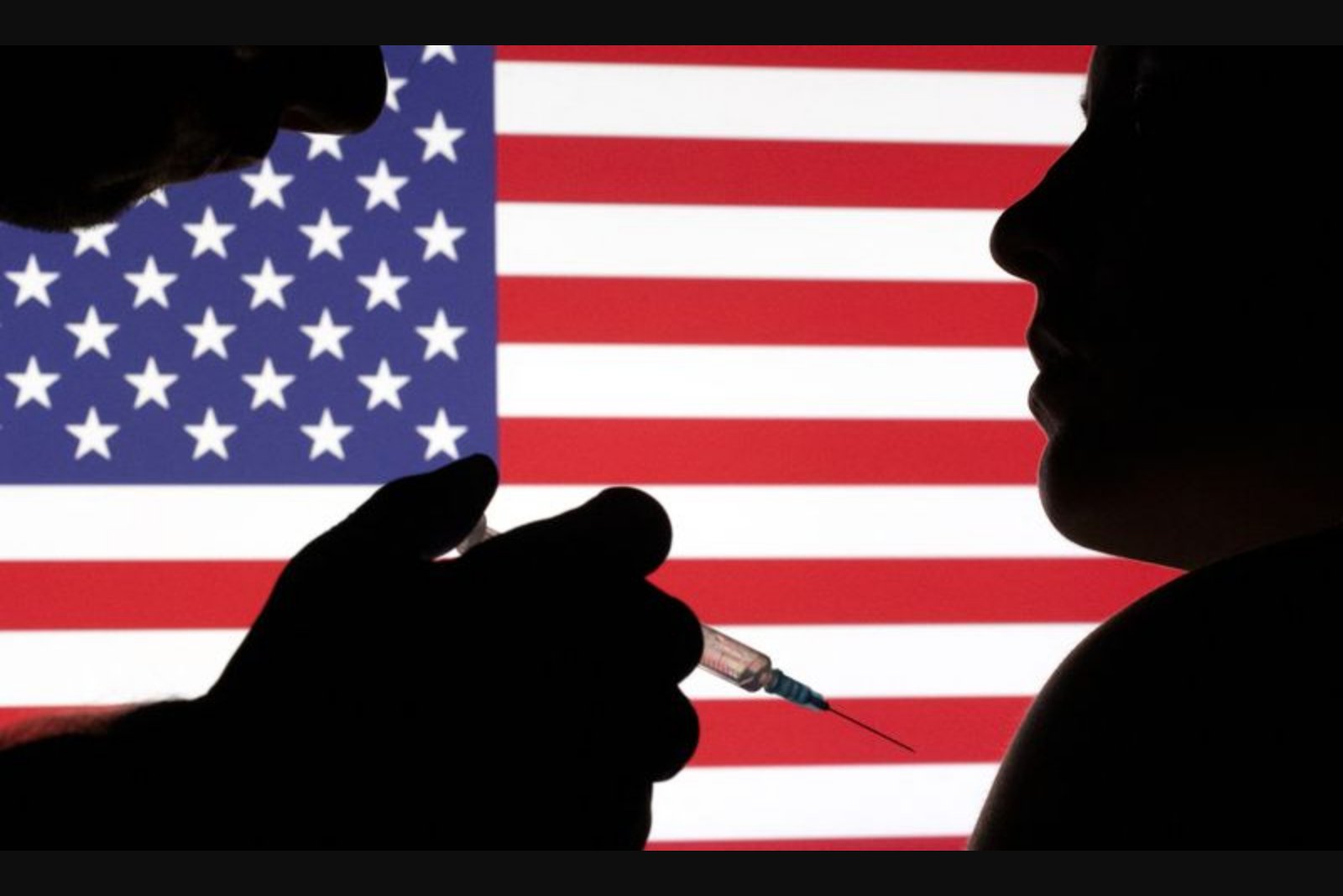
Australian biotechnology firm CSL endured extended losses on Thursday, with its share price hovering near the lowest point recorded since late August 2017, after the U.S. military announced it would no longer require personnel to receive the flu vaccine. The Department of Defense's reversal of a long-standing vaccination requirement was disclosed on Tuesday and raised immediate questions about demand from a significant institutional purchaser.
Market watchers said the Pentagon decision added to an already difficult operating backdrop for CSL. "The Pentagon’s move... was a meaningful catalyst for the sell-off and could be the straw that finally breaks the camel’s back," said Marc Jocum, senior product and investment strategist at GlobalXETFs. Jocum pointed to an accumulation of negative factors that investors have been weighing: falling U.S. flu vaccination rates, weaker Seqirus earnings, and delayed strategic plans, adding that the policy change creates incremental pressure at a particularly vulnerable moment for the company.
Shares dropped as much as 0.8% on Thursday to reach the lowest level since August 2017, leaving the stock more than 25% below its price at the start of the year. The United States represents CSL's largest source of revenue, according to the company's annual report, making U.S. vaccination policy and institutional buying decisions especially material to the firm’s outlook.
CSL’s vaccines arm, which includes its influenza franchise operated under unit CSL Seqirus, is one of the company’s more profitable segments. In fiscal 2025, CSL Seqirus produced approximately $2.17 billion in revenue, accounting for about 14% of the group’s total sales. Analysts and investors have already been scrutinizing Seqirus performance as part of a wider reassessment of CSL’s growth prospects.
Beyond the immediate impact of the Pentagon announcement, CSL has been contending with a series of operational and market challenges. The company has faced slowing demand for plasma-derived therapies, experienced higher costs tied to plasma collection and manufacturing, and suffered multiple earnings downgrades over the last year. Those issues have eroded investor confidence and weighed on the share price for an extended period.
CSL was once one of Australia’s most highly valued stocks, but it has seen dramatic sell-offs in recent periods. The company recorded a drop of about 39% last year in what was its largest annual decline since 2002. Market participants have expressed particular concern about the pace of recovery in CSL’s core plasma business, a segment that was significantly disrupted during the pandemic.
Hebe Chen, a market analyst at Vantage Markets, summed up the deeper market unease: "The real issue runs deeper: slowing earnings momentum, a more volatile vaccine segment, and a lack of clarity around the company’s forward strategy. A 5% drop (on Wednesday) of this magnitude signals the market is still repricing that broader confidence gap, with CSL yet to convincingly find a floor."
Investors and analysts will likely continue to watch CSL’s earnings trajectory, Seqirus performance, and any further changes in institutional vaccination policies closely, as those factors remain central to the company’s near-term revenue outlook.