
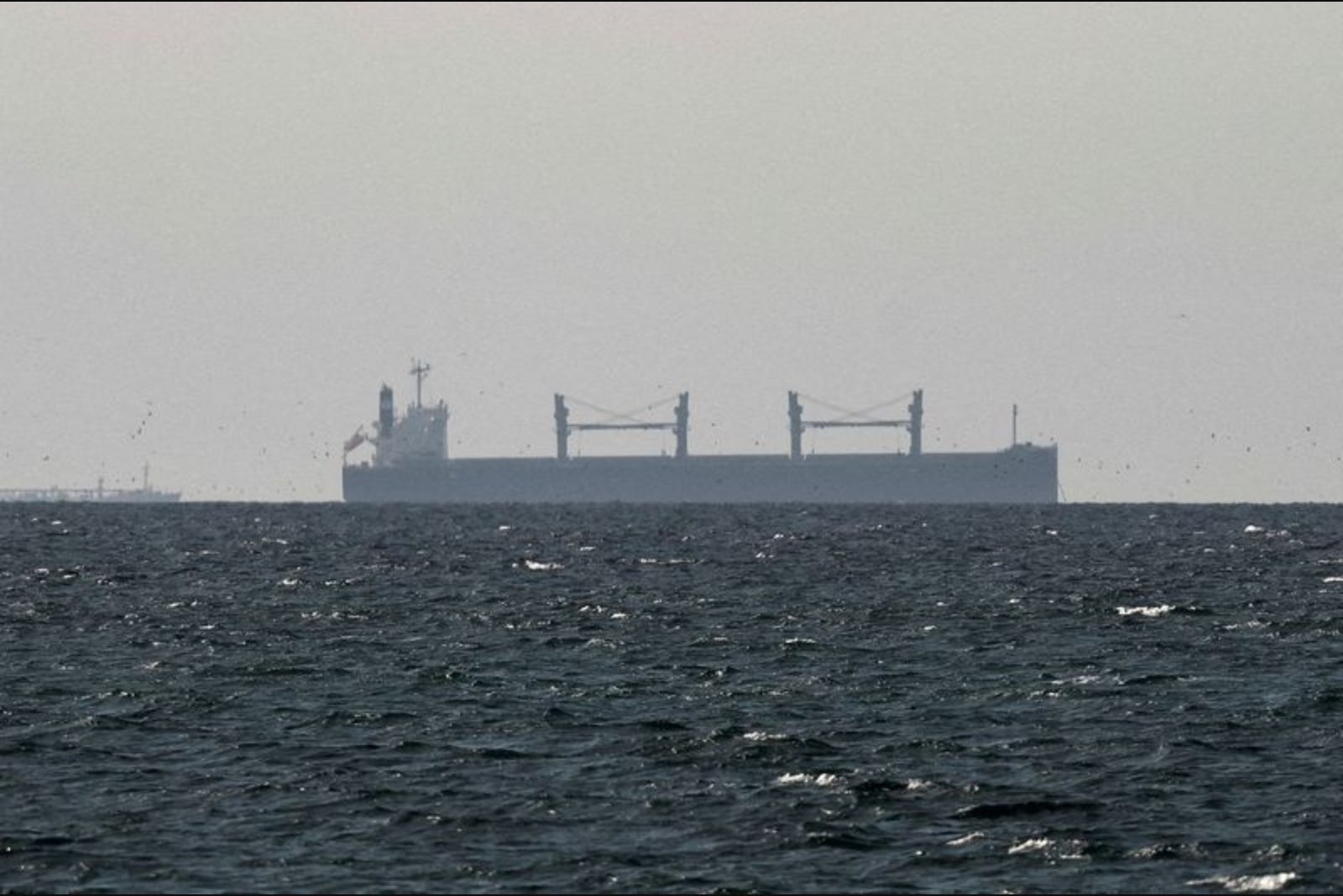
Oil markets cooled slightly on Thursday after a notable rise the day before, as diplomatic talks between Iran and the United States made no substantive progress and both countries sustained restrictions on vessel traffic through the Strait of Hormuz.
Brent crude futures fell 15 cents to $101.76 a barrel, retreating from a settlement above $100 on Wednesday - the first such close in more than two weeks. West Texas Intermediate futures dipped 14 cents to $92.82. Both international benchmarks had posted gains exceeding $3 in the prior session, supported by larger-than-expected withdrawals of gasoline and distillate stocks in the United States and continuing tensions around peace negotiations.
U.S. President Donald Trump extended a ceasefire following a request from Pakistani mediators, yet limitations on maritime transit persisted as Iran and the United States continued to restrict ship movements through the Strait of Hormuz. Before the outbreak of the conflict at the end of February, the narrow waterway accounted for roughly 20% of daily global oil and liquefied natural gas supplies, according to the reporting in this article. The present situation traces to attacks at the end of February involving the U.S. and Israel directed at Iran, after which the disruption intensified.
On Wednesday, Iran seized two vessels in the Strait of Hormuz, tightening its control over the strategic corridor. At the same time, the U.S. has sustained a naval blockade of Iran's seaborne trade, and Iranian parliament speaker and chief negotiator Mohammad Baqer Qalibaf stated that a full ceasefire would only be appropriate if that blockade were removed.
Shipping and security sources reported that the U.S. military intercepted at least three Iranian-flagged tankers in Asian waters and redirected them away from positions near India, Malaysia and Sri Lanka on Wednesday. The intercepts and redirections illustrate the wider geographic reach of maritime interventions tied to the conflict and to enforcement of trade restrictions.
With his most recent extension of the ceasefire, President Trump again refrained from previously threatened strikes on Iran's power plants and bridges. The U.S. has not specified an end date for the extended ceasefire, White House press secretary Karoline Leavitt told reporters.
On the supply side, total U.S. exports of crude oil and petroleum products climbed by 137,000 barrels per day to a record 12.88 million barrels per day, as buyers in Asia and Europe sought alternatives following disruptions linked to the Iran conflict. Domestic inventory data from the Energy Information Administration showed a rise in U.S. crude stocks alongside declines in refined product inventories.
Specifically, crude inventories increased by 1.9 million barrels, contrasting with a Reuters poll expectation for a 1.2 million-barrel draw. Gasoline inventories fell by 4.6 million barrels, considerably larger than the 1.5 million-barrel draw analysts had forecast. Distillate stockpiles dropped by 3.4 million barrels, versus an anticipated 2.5 million-barrel decline.
These mixed inventory flows contributed to yesterday's price advances and helped shape modest downward movement on Thursday as markets weighed ongoing supply disruptions against the latest data and the uncertain path of diplomacy and maritime operations.
Clear summary: Oil prices eased slightly after a prior-session rally as U.S.-Iran peace talks remain stalled and both countries keep restricting ship movements through the Strait of Hormuz. Brent fell to $101.76 and WTI to $92.82. U.S. crude and product exports hit a record 12.88 million bpd while U.S. crude stocks rose and refined product inventories declined sharply.
- Market reaction: Brent down 15 cents to $101.76; WTI down 14 cents to $92.82 after both closed more than $3 higher previously.
- Maritime disruption: Iran seized two ships in the Strait of Hormuz and both Iran and the U.S. continue to restrict transit through the vital waterway.
- U.S. supply flows: Total exports of crude oil and petroleum products reached a record 12.88 million bpd; crude inventories rose by 1.9 million barrels while gasoline and distillate stocks fell by 4.6 million and 3.4 million barrels respectively.
Sectors impacted: Energy markets and maritime shipping are directly affected. Refined fuels and global crude trade flows feel immediate pressure. Insurance and shipping logistics sectors face heightened operational uncertainty.