
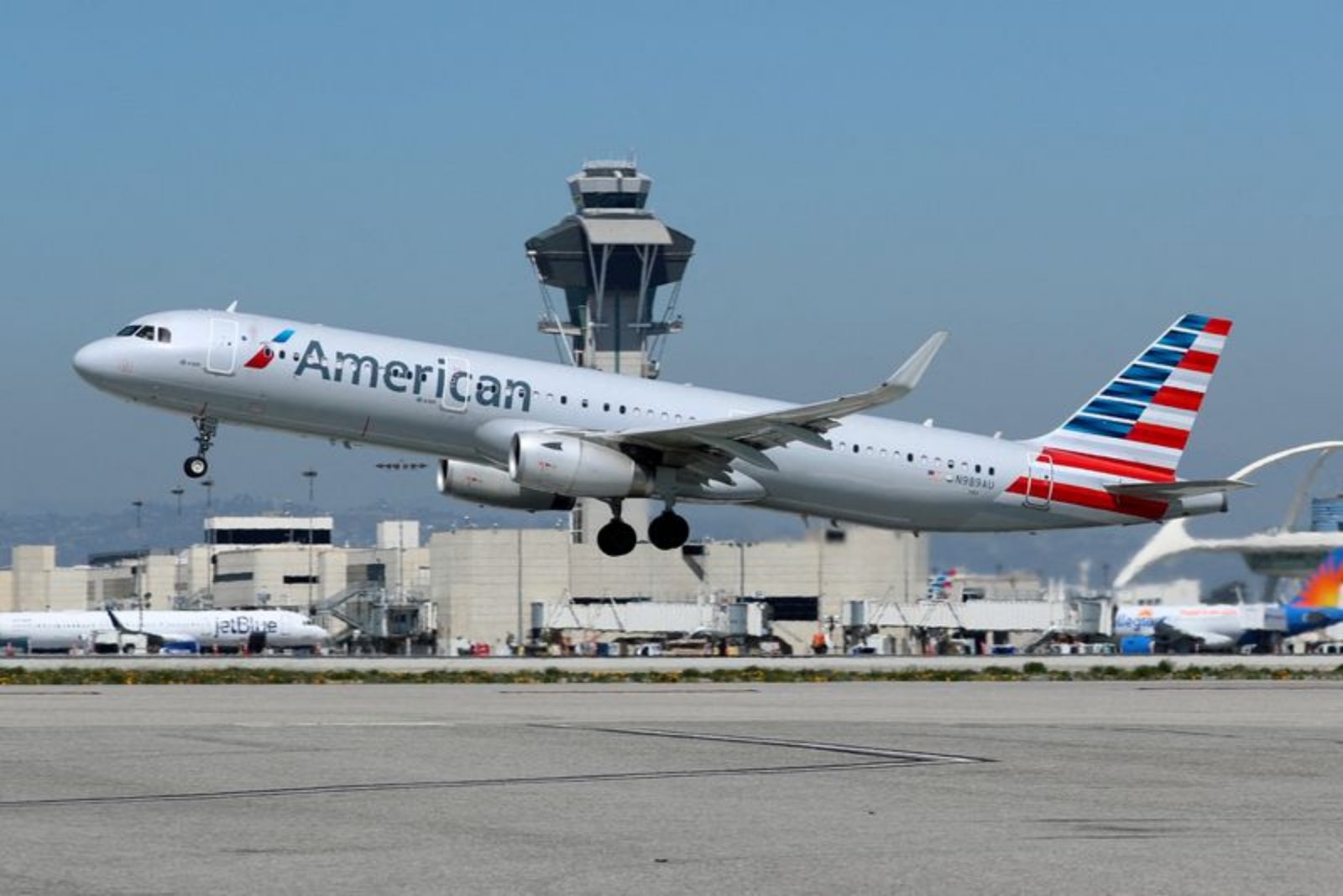
American Airlines is engaged in early-stage discussions with Alaska Air Group about extending the scope of their current partnership to include deeper coordination on long-haul international routes, two people familiar with the matter said.
The conversations center on the possibility of Alaska joining American’s existing joint business arrangements across the Atlantic and Pacific. Under the deliberations, Alaska would potentially participate in American’s transatlantic partnerships with carriers such as British Airways, Iberia and Finnair, and in the transpacific joint business with Japan Airlines, the sources said. Those conversations are preliminary and could evolve or end without a deal.
Airlines commonly pursue international joint ventures because they permit partners to align schedules and fares and to share revenue on covered routes. These arrangements are often described as "metal-neutral" - meaning the identity of the operating carrier is less important, allowing partners to expand route networks and connectivity without necessarily adding aircraft. Proponents say such structures help carriers compete on long-haul routes by coordinating capacity and pricing.
The talks do not involve any discussion of a merger between American and Alaska, the sources emphasized. Both airlines declined to comment on the reported discussions.
Existing relationship and recent moves at Alaska
American and Alaska already maintain a partnership focused on codesharing, reciprocal loyalty benefits and routing passengers from the U.S. West Coast onto international flights, a relationship both carriers have referred to as a "West Coast International Alliance."
Alaska recently completed the acquisition of Hawaiian Airlines and is occupied with integrating that deal. Alaska's chief executive, Ben Minicucci, has publicly said he remains "super excited about our organic growth plan," a comment that reflects the carrier's stated near-term focus on integration and growth.
The current discussions with American would represent a step beyond their existing codeshare and loyalty cooperation, moving toward closer coordination that could include joint scheduling, pricing and shared revenue on long-haul international markets, according to the sources. No timeline was provided for when the talks might produce a formal proposal; the people said any arrangement would require detailed negotiations among airline partners and regulatory approvals.
Regulatory and competitive considerations
Any expansion of the partnership to include international joint ventures would need approval from the U.S. Department of Transportation. The DOT grants antitrust immunity for international joint ventures, a designation that allows carriers to coordinate pricing and capacity on routes covered by the immunity, the sources said.
Recent regulatory scrutiny of airline partnerships underscores the complexity of securing broad-based approval. U.S. regulators have pushed back in some cases, particularly where collaborations involve two U.S. carriers. The now-defunct Northeast Alliance between American and JetBlue, which would have allowed coordination on flights and revenue sharing in New York and Boston, was struck down by a federal judge in 2023 after a challenge from the U.S. Department of Justice. That outcome illustrates that DOT approval may not be sufficient if the Justice Department elects to pursue legal action.
Sources noted the structure being discussed with Alaska would differ in key respects from some previous U.S.-focused partnerships. International joint ventures have long been used by carriers and typically entail deeper coordination, often including joint pricing and full revenue sharing across participating routes.
Reporting on these discussions is ongoing; the situation remains fluid and dependent on agreement among airline partners and the outcome of regulatory reviews.